Yennayer: Amazigh New Year
What Is Yennayer?
Yennayer is the New Year of the Amazigh (Berber) people, the indigenous inhabitants of North Africa. It marks the first day of the Amazigh agricultural year and is celebrated across Morocco, particularly in regions with strong Amazigh heritage such as the Atlas Mountains, the Rif and the Souss.
The Amazigh calendar is a solar, agrarian calendar. Yennayer is typically celebrated around January 13 or 14 in the Gregorian calendar, with the date varying slightly by region and tradition.
Origins and the Amazigh Calendar
The Amazigh calendar's year count traditionally begins around 950 BCE, a date often linked to historical events in ancient North Africa. This makes the Amazigh year number more than 2,900 ahead of the common era, so the celebration is also called the start of a new Amazigh year by its own count.
Rooted in agriculture, the calendar guided planting and harvest cycles for generations. Yennayer therefore carries deep meaning as a celebration of renewal, fertility of the land and the hope for a prosperous farming season ahead.
Traditional Foods and Rituals
Food is at the heart of Yennayer. The most iconic dish is a hearty couscous or seksu, often prepared with seven vegetables, symbolizing abundance and good fortune. In some regions a dish called tagoula or orkimen (a stew of grains and legumes) is served.
Many families hide a date pit, an almond or another small token in the communal dish; whoever finds it is said to receive luck or prosperity in the coming year. Slaughtering poultry and preparing a generous family meal are common, reflecting wishes for plenty.
Symbolism of Renewal and Abundance
Yennayer is steeped in symbolism tied to fertility, abundance and the cycle of the land. The emphasis on filling the home and table with food expresses the hope that the new year will be one of generosity and a good harvest.
In some areas, children's hair is cut for the first time around Yennayer, and other customs mark the passage into the new agricultural cycle. The celebration reinforces Amazigh identity, language and cultural continuity.
Recognition as a National Holiday
Yennayer's status has grown in step with broader recognition of Amazigh culture in Morocco. The Amazigh language (Tamazight) was made an official language in the 2011 constitution, and Amazigh heritage has been increasingly celebrated nationally.
In May 2024, Morocco officially designated Yennayer as a paid national public holiday, a landmark moment for the Amazigh community and a formal acknowledgment of the celebration's cultural importance to the country.
Celebrating Yennayer Today
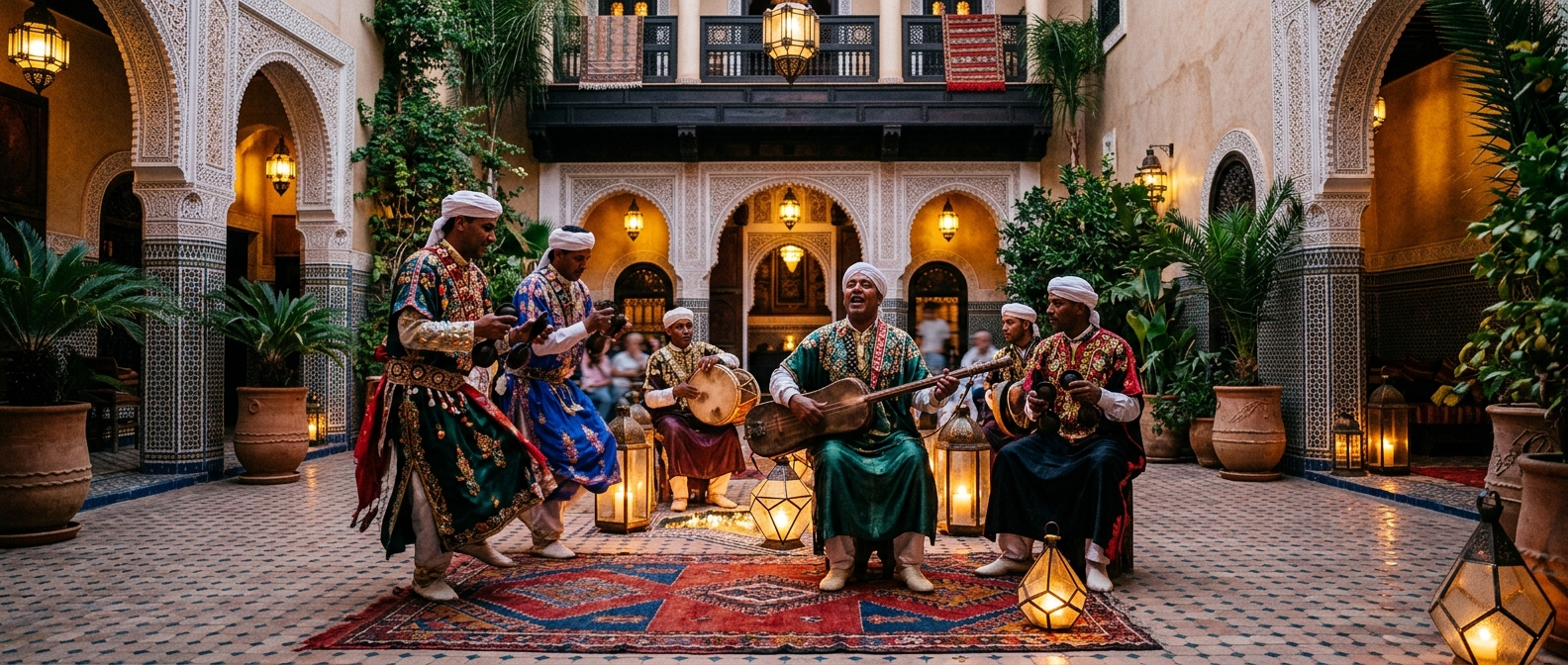
Today Yennayer is marked with family gatherings, communal meals, music, poetry and cultural events. In Amazigh-majority regions, towns may host festivals, performances and exhibitions highlighting traditional dress, crafts and song.
The holiday has also become a point of pride and visibility for Amazigh identity, with celebrations in cities and the diaspora. For visitors, it offers a window into one of the oldest living cultural traditions in North Africa.
| Aspect | Details |
|---|---|
| What it is | Amazigh (Berber) New Year |
| Typical date | Around January 13-14 (solar calendar) |
| Calendar type | Agrarian Amazigh calendar |
| Iconic dish | Couscous with seven vegetables; tagoula |
| Symbolism | Renewal, abundance, good harvest |
| Holiday status | Official paid public holiday since 2024 |
Yennayer at a glance
FAQ
When is Yennayer celebrated?
Yennayer, the Amazigh New Year, is celebrated around January 13 or 14, based on the solar agrarian Amazigh calendar, with the exact day varying slightly by region.
Is Yennayer a public holiday in Morocco?
Yes. In May 2024 Morocco officially recognized Yennayer as a paid national public holiday, formally honoring its importance to the Amazigh community and Moroccan culture.
What food is eaten on Yennayer?
The signature dish is couscous, often with seven vegetables symbolizing abundance. Many families hide a token such as a date pit or almond in the dish, and whoever finds it is said to have good luck for the year.
Loved this? Useful? React below — your feedback helps other readers.