Work Darija: 40 Business & Office Phrases
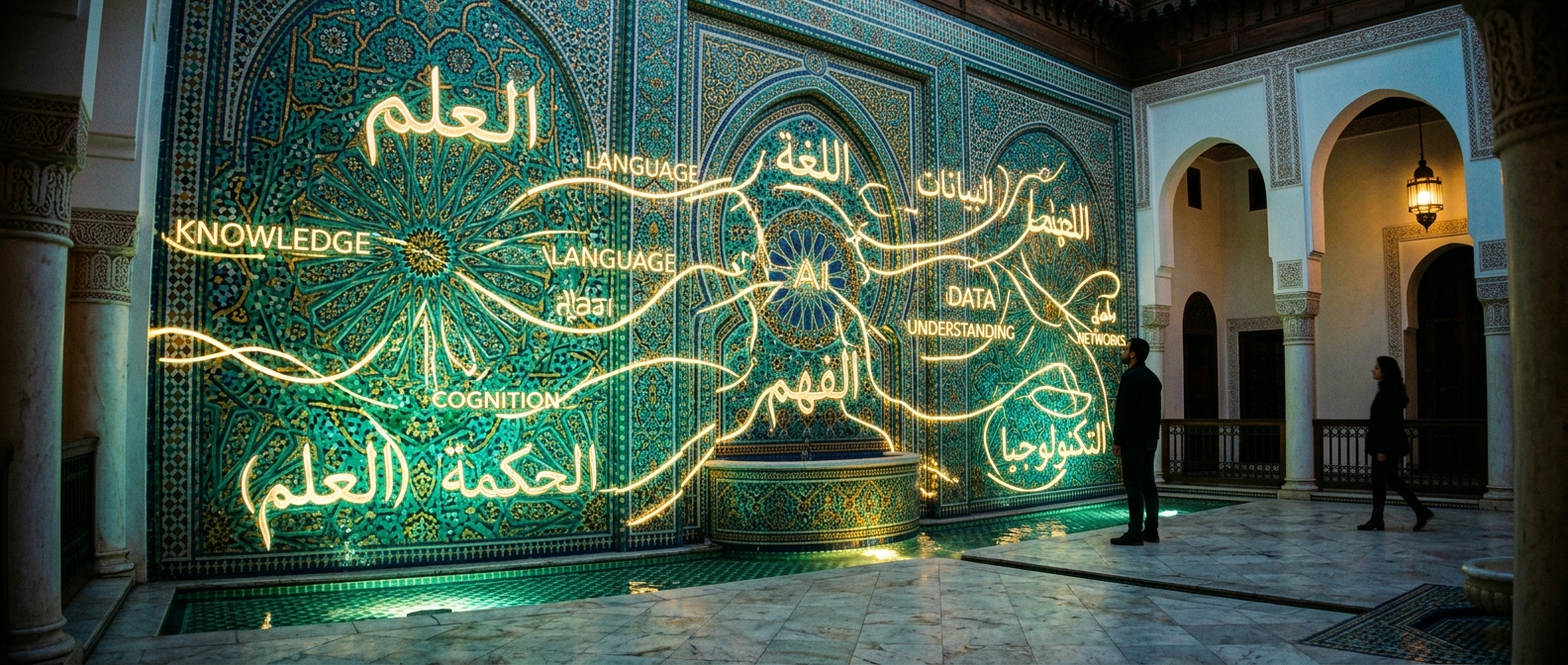
The Bilingual Moroccan Office
Step into a Moroccan office and you will hear a constant blend of Darija and French. Greetings, small talk and instructions flow in Darija, while technical, corporate and administrative terms are usually French. This code-switching is completely normal and expected.
So 'work' might be the Darija 'khdma' (خدمة), but 'the meeting' is the French 'la réunion', and 'the report' is 'le rapport'. Knowing which words stay Darija and which go French is the secret to sounding professional and natural at work.
Greetings and Office Small Talk
Start the day right with 'sbah lkhir' (صباح الخير) good morning, or the casual 'labas?' (لاباس؟) you good? Reply with 'labas, hamdullah' (fine, thank God). 'Kifash l-khdma?' (كيفاش الخدمة؟) means how's work going?
When leaving, say 'beslama' (بسلامة) goodbye, or 'nshufuk ghedda' (نشوفك غدا) see you tomorrow. Polite phrases like '3afak' (please) and 'shukran' (thank you) smooth every interaction. A warm greeting sets a respectful tone in Moroccan workplace culture.
Meetings and Discussions
For meetings, 'wesh 3andna réunion lyoma?' means do we have a meeting today? 'Ash hiya l-agenda?' asks what's the agenda. To agree: 'safi, tfahmna' (صافي تفاهمنا) okay, we agreed. To ask for clarification: 'mumkin t3awd?' (ممكن تعاود؟) can you repeat?
If you need time to think, say 'khellini nfekker' let me think. To propose: 'ana 3andi fikra' (عندي فكرة) I have an idea. Disagreeing politely: 'mashi mtafe9 m3ak' I don't agree with you, softened with 'walakin' (but) and a reason.
Tasks, Deadlines and Email
Talking about tasks, 'had l-khdma 3ajla' means this task is urgent. 'Wajeb' (واجب) means duty or assignment. ' Shhal mn wa9t khasna?' asks how much time do we need. 'L-deadline nhar l-jem3a' means the deadline is Friday.
For email and messages: 'ghadi nsift lik email' (غادي نصيفط ليك إيميل) I'll send you an email. 'Wsslek l-document?' did you get the document? 'Jaweb f waqt' reply on time. Mixing French 'email', 'document' and 'deadline' into Darija sentences is standard practice.
Asking, Helping and Problem-Solving
Offering help: '3awnek?' (عاونك؟) need help? or 'wesh n3awnek?' should I help you? Asking for help: '3afak 3awni f had l-haja' please help me with this. 'Ma fhemtsh' (ما فهمتش) means I didn't understand.
When there's a problem: 'kayn mushkil' (كاين مشكل) there's a problem. 'Ghadi nhellou' we'll solve it. 'Maktbalish' it's not in my hands / not my responsibility. 'Khelli liya had l-haja' leave this matter to me. Calm, solution-focused language is valued.
Money, Salary and Negotiation
Workplace money talk uses 'flous' (فلوس) money, 'l-ujra' or 'salaire' for salary, and 'l-prime' for bonus. 'Shhal l-salaire?' asks what's the salary. 'Bghit nnaqsh f l-ujra' I want to discuss the pay.
For raises: 'mumkin ziyada f l-ujra?' is a raise possible? 'l-budget' is the budget, 'l-facture' the invoice, 'khelص' (khelles) means to pay. Negotiation in Morocco is normal and expected, so polite, confident phrasing serves you well in any office or freelance deal.
| English | Darija | Arabic |
|---|---|---|
| Work / job | khdma | خدمة |
| Good morning | sbah lkhir | صباح الخير |
| How's work? | kifash l-khdma? | كيفاش الخدمة؟ |
| Okay, we agreed | safi tfahmna | صافي تفاهمنا |
| Can you repeat? | mumkin t3awd? | ممكن تعاود؟ |
| I have an idea | 3andi fikra | عندي فكرة |
| I'll send you an email | ghadi nsift lik email | غادي نصيفط ليك إيميل |
| There's a problem | kayn mushkil | كاين مشكل |
| We'll solve it | ghadi nhellou | غادي نحلو |
| This is urgent | had l-khdma 3ajla | هاد الخدمة عاجلة |
| I didn't understand | ma fhemtsh | ما فهمتش |
| Need help? | wesh n3awnek? | واش نعاونك؟ |
| Money | flous | فلوس |
| What's the salary? | shhal l-salaire? | شحال السلير؟ |
| See you tomorrow | nshufuk ghedda | نشوفك غدا |
Essential business and office Darija phrases
FAQ
Do Moroccans use French at work?
Yes. Moroccan offices constantly mix Darija and French. Everyday speech is in Darija, but technical, corporate and administrative terms like 'réunion', 'email' and 'budget' are usually French.
How do you say 'work' in Darija?
'Work' or 'job' in Moroccan Darija is 'khdma' (خدمة). To ask how work is going, say 'kifash l-khdma?' (كيفاش الخدمة؟).
How do I say 'I'll send you an email' in Darija?
Say 'ghadi nsift lik email' (غادي نصيفط ليك إيميل). Notice that 'email' stays in French/English, which is completely normal in Moroccan workplaces.
How do you politely disagree in a Moroccan meeting?
Say 'mashi mtafe9 m3ak' (I don't agree with you), softened with 'walakin' (but) followed by your reason. Calm, respectful phrasing is valued in Moroccan work culture.
Loved this? Useful? React below — your feedback helps other readers.