Why Everyone Is Talking About Morocco Right Now
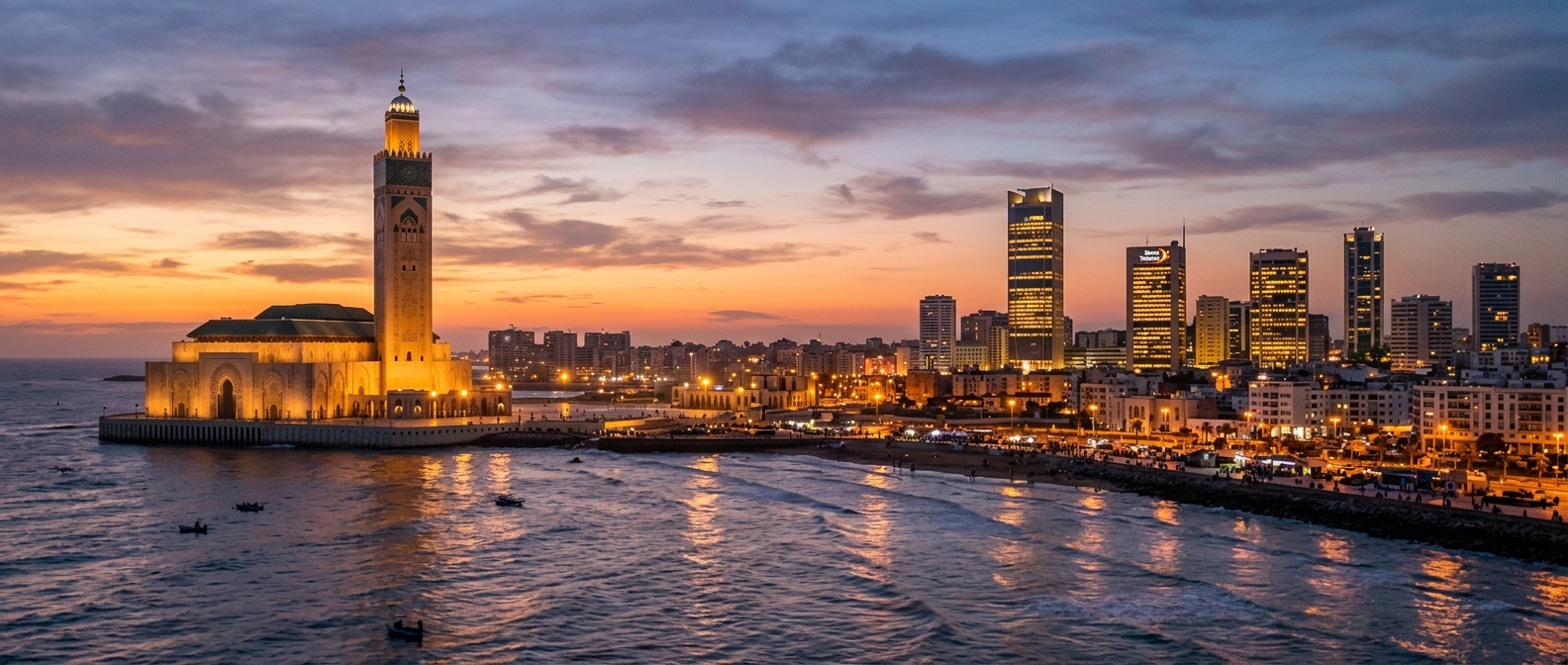
The 2030 World Cup Spotlight
The biggest driver of attention is Morocco's selection, alongside Spain and Portugal, to co-host the 2030 FIFA World Cup. It is the country's first time hosting after five failed bids, and it has triggered a wave of investment in stadiums, trains and airports.
This puts Morocco on a global stage for years to come, with media coverage, infrastructure upgrades and a sense of national momentum that travellers and investors alike are noticing.
The Atlas Lions' Historic Run
At the 2022 World Cup in Qatar, Morocco's national team became the first African and Arab nation to reach the semi-finals, beating heavyweights like Spain and Portugal along the way. The run captivated audiences worldwide and became a source of huge pride.
That achievement reshaped how the world sees Moroccan football and gave the country a powerful emotional connection with fans globally, fuelling interest in visiting ahead of 2030.
A Tourism and Travel Boom
Morocco has set ambitious tourism targets, aiming for around 26 million visitors by 2030, and arrivals have been climbing strongly. Its appeal is the sheer variety packed into one country: imperial cities, the Sahara, the Atlas Mountains and two coastlines.
Add a favourable timezone, short flights from Europe, and good value for money, and Morocco has become a go-to for everyone from luxury travellers to backpackers and digital nomads.
Hollywood, Streaming and Social Media
Morocco is a perennial favourite for filmmakers, with Ouarzazate's studios and locations like Ait Benhaddou featuring in Game of Thrones, Gladiator, Dune-era desert epics and countless other productions. This keeps its landscapes in front of global audiences.
On social media, the blue streets of Chefchaouen, Marrakech's souks, Sahara camps and Atlantic surf towns are endlessly shared, turning Morocco into one of the most photogenic and viral destinations online.
Why Now Is a Great Time to Go
With infrastructure improving rapidly in the lead-up to 2030, Morocco is becoming easier and more comfortable to explore, from high-speed rail to upgraded airports and hotels. Yet prices remain reasonable compared with Europe.
Visiting in the years before the World Cup means catching the country on the rise, enjoying its famous hospitality and culture before the biggest crowds arrive for the tournament itself.
FAQ
Why is Morocco so popular right now?
A combination of co-hosting the 2030 World Cup, the national team's 2022 semi-final run, a tourism boom, a strong film industry and viral social media coverage has put Morocco firmly in the global spotlight.
What did Morocco achieve at the 2022 World Cup?
Morocco became the first African and Arab nation to reach the World Cup semi-finals, defeating teams like Spain and Portugal during a historic run in Qatar.
How many tourists does Morocco want to attract?
Morocco has set a target of around 26 million visitors by 2030, supported by major investment in transport, hotels and tourist infrastructure.
Is now a good time to visit Morocco?
Yes. Infrastructure is improving rapidly ahead of the 2030 World Cup while prices remain reasonable, so visiting before the tournament lets you enjoy the country on the rise.
Loved this? Useful? React below — your feedback helps other readers.