Morocco's Sufi Brotherhoods: Gnawa, Aissawa and Boutchichiya Explained
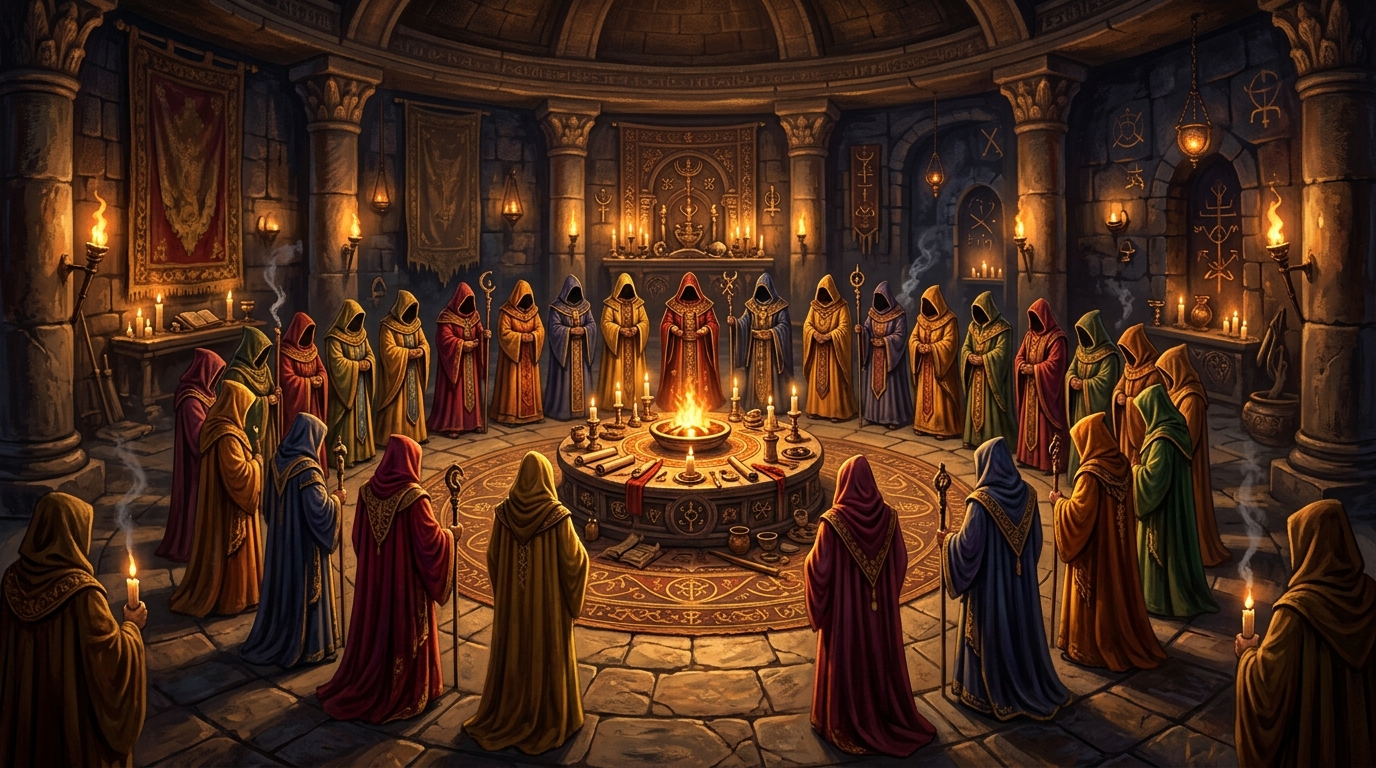
What is a Sufi tariqa, and why does Morocco have so many?
A tariqa, literally a "path" or "way," is an organized Sufi order: a school of Islamic mysticism built around the teachings of a founding saint, transmitted from master to disciple across generations. Sufism itself, tasawwuf in Arabic, is the mystical and devotional dimension of Islam that emphasizes direct, felt closeness to God over pure legal scholarship, cultivated through practices like dhikr, the rhythmic repetition of God's names, often performed communally with chanting, breath control and sometimes music or movement.
Each tariqa is typically centered on a zawiya, a lodge or shrine complex built around the tomb of its founding saint, which serves as a school, a guesthouse for travelers, a center for charity and a site of pilgrimage. Morocco is unusually dense with these institutions. Since at least the 12th century, waves of Sufi teachers settled across the country, and the tombs of these wali, or saints, became anchors of local identity: whole towns are still known chiefly for the shrine and brotherhood they host, and annual moussems, festival-pilgrimages timed to a saint's memory, remain major events on the local calendar.
This density is not an accident of geography but a product of history. Sufi orders in Morocco have long served as a bridge between elite religious scholarship and popular devotion, between the Arab-Islamic tradition and pre-Islamic Amazigh and, in the case of the Gnawa, Sub-Saharan African practices. Rulers going back centuries cultivated ties with influential zawiyas to secure political legitimacy in the countryside, a relationship that continues in a modern form today.
The Gnawa: descendants of enslaved Africans and a UNESCO-listed heritage
The Gnawa are both a Sufi brotherhood and a musical tradition, and the two cannot really be separated. Their roots trace back at least to the 16th century, to men and women brought to Morocco from West and Sub-Saharan Africa through the trans-Saharan slave trade. Cut off from their homelands, they fused ancestral African spiritual practices with Arab-Muslim Sufism and local Amazigh customs, producing a distinct healing and possession tradition centered on invoking spirits and ancestors through all-night ceremonies known as lila or derdeba.
At the heart of a Gnawa ceremony sits the guembri, a deep-bodied, three-stringed bass lute carved from a single piece of wood and covered in camel skin, which the lead musician, or maalem, plays while singing devotional and invocational lyrics. Layered over it are the qraqeb, heavy iron castanets that other musicians clash in interlocking, hypnotic rhythms, driving participants into trance states believed to bring healing, release, or communion with spirits associated with specific colors, scents and saints.
Gnawa culture has traveled a long way from its origins as a marginalized community's private ritual. Since 1998, the Gnaoua and World Music Festival, founded by producer Neila Tazi in the coastal city of Essaouira, has drawn hundreds of thousands of visitors each June to see Gnawa maalems share the stage with jazz, blues and rock musicians from around the world, and UNESCO recognized the festival itself in 2009 for its role in safeguarding intangible heritage. In December 2019, UNESCO went further, inscribing Gnawa culture directly on its Representative List of the Intangible Cultural Heritage of Humanity, describing it as a set of musical events, fraternal practices and therapeutic rituals blending the secular and the sacred, still actively practiced and growing through fraternal associations in cities and villages across Morocco.

The Aissawa: Meknes, trance rituals and the Moussem of Sidi Ben Aissa
The Aissawa brotherhood, also written Isawiyya, takes its name from its founder, Sheikh al-Kamil Sidi Mohamed ben Aissa, who lived in Meknes from roughly 1465 to 1526. Sidi Ben Aissa built a reputation as a healer and miracle-worker, and the order that grew around his teaching became one of the most widespread in Morocco, with branches that eventually spread into Algeria, Tunisia and beyond, though Meknes remains its spiritual home and the site of his shrine.
Aissawa ceremonies are best known for their intensity. In private nighttime gatherings called lila and in public performances, adherents perform the hadra, a group ritual of chanting, drumming and the piercing double-reed oboe called the ghaita, building through call-and-response singing toward an ecstatic trance. Historically, some Aissawa practitioners were associated with startling feats performed while in trance, understood within the order as demonstrations of a state beyond ordinary bodily limits and of the saint's protection, though today the brotherhood is far better known internationally for its music and processions than for such practices.
Every spring, Meknes hosts the Moussem of Sidi Ben Aissa, Morocco's largest Sufi pilgrimage-festival, drawing tens of thousands of pilgrims, musicians and members of Aissawa chapters from across the country. For roughly a week, brotherhoods parade through the city's streets with banners and instruments, converging on the saint's shrine for collective hadra rituals that blend a solemn pilgrimage atmosphere with the energy of a citywide festival, a pattern repeated on a smaller scale at moussems for other saints throughout the Moroccan calendar.

The Boutchichiya: a quiet order in Madagh with a global reach
Not every Moroccan tariqa announces itself with music and public trance. The Qadiriyya Boutchichiya, based in the small village of Madagh near Berkane in eastern Morocco, is centered instead on quiet dhikr circles, personal spiritual guidance and an ethic the order describes as centered on divine beauty, love and mercy rather than austerity. As its full name signals, it is a branch of the much older Qadiriyya order, tracing its lineage back to the Baghdad-based saint Abd al-Qadir al-Jilani, who died in 1166, one of the most revered figures in the history of Sufism.
The Boutchichiya's modern growth is closely tied to one man: Sidi Hamza al-Qadiri al-Boutchichi, born in Madagh in 1922, who led the order for decades until his death in January 2017 at around 95 years old. Under his guidance, the brotherhood grew from a regional following into a movement counting hundreds of thousands of disciples inside Morocco and branches across Western Europe, North America, West Africa, the Middle East and beyond, including a notable number of Western converts drawn to its emphasis on accessible, everyday spirituality rather than asceticism.
Leadership passed to Sidi Hamza's son, Sidi Jamal Eddine al-Qadiri al-Boutchichi, who guided the order until his own death in August 2025, after which a period of internal succession disputes among his sons briefly played out in Moroccan media before the brotherhood moved to settle on new leadership. Beyond Madagh, the Boutchichiya's reach has been amplified by disciples active in public cultural life, most visibly the anthropologist and writer Faouzi Skali, a follower of Sidi Hamza who founded the Fes Festival of World Sacred Music and the Fes Festival of Sufi Culture, events that have introduced Boutchichi-linked Sufism to international audiences far beyond Madagh's zawiya.
Sufism, the monarchy, and the promotion of "Moroccan Islam"
Sufi brotherhoods are not just a matter of private devotion in Morocco; they are woven into how the Moroccan state defines and promotes its national religious identity. Officials and religious authorities describe an official formula often called "Moroccan Islam," built on three pillars: the Maliki school of Sunni jurisprudence, Ashari theology, and Sufism, all overseen by the king in his constitutional role as Amir al-Muminin, Commander of the Faithful, a title that makes the monarch the country's supreme religious authority and guarantor of religious orthodoxy.
In this framework, Sufism is presented not as a fringe practice but as the spiritual backbone of a moderate, tolerant national religious character, one the state actively contrasts with more rigid or politically confrontational strands of Islam found elsewhere in the region. Zawiyas and their leaders have often maintained close, mutually reinforcing relationships with the monarchy, which has historically drawn on their local prestige and networks for religious legitimacy and social cohesion, particularly in rural areas.
This has practical consequences well beyond theology. Morocco has exported its religious model abroad, training imams from West African and European countries partly through institutions linked to this Maliki-Ashari-Sufi synthesis, and has promoted Sufi festivals, heritage listings and cultural diplomacy, from the Essaouira Gnaoua festival to the Fes Sufi Culture festival, as soft-power showcases of a Morocco whose religious identity is framed as inherently moderate, plural and rooted in centuries of spiritual tradition rather than in any single rigid doctrine.
Frequently asked
What is a Sufi brotherhood or tariqa in Morocco?
A tariqa is an organized Sufi order built around the teachings of a founding saint, centered on a zawiya, or lodge, usually housing that saint's tomb. Members practice dhikr, the collective repetition of God's names, and follow a chain of spiritual guidance passed from master to disciple. Morocco has hundreds of such orders and shrines, some local and small, others with national and international followings.
What is the Gnawa brotherhood and why is it important?
The Gnawa are a Sufi brotherhood and musical tradition descended from people brought to Morocco from West and Sub-Saharan Africa through the historical slave trade, dating back at least to the 16th century. They developed an all-night healing ritual, the lila, combining trance, ancestor and spirit invocation with music played on the guembri lute and qraqeb castanets. In December 2019, UNESCO inscribed Gnawa culture on its Representative List of the Intangible Cultural Heritage of Humanity.
What instruments are used in Gnawa music?
The central instrument is the guembri, a three-stringed bass lute with a wooden body covered in animal skin, played and sung by the lead musician, or maalem. Alongside it, other performers play the qraqeb, large iron castanets clashed together in interlocking rhythms that help drive participants into a trance state during ceremonies.
What is the Gnaoua World Music Festival in Essaouira?
Founded in 1998 by producer Neila Tazi, the Gnaoua and World Music Festival is an annual event in the coastal city of Essaouira that pairs Gnawa maalems with international jazz, blues and rock musicians. It draws hundreds of thousands of visitors each year and was itself recognized by UNESCO in 2009 for its contribution to safeguarding intangible cultural heritage.
Who founded the Aissawa brotherhood?
The Aissawa, or Isawiyya, order was founded in Meknes by Sheikh al-Kamil Sidi Mohamed ben Aissa, who lived from about 1465 to 1526. He built a reputation as a healer, and the brotherhood that formed around his teaching spread across Morocco and into neighboring North African countries, though Meknes remains its spiritual center.
What happens at the Moussem of Sidi Ben Aissa in Meknes?
Held every spring, it is considered Morocco's largest Sufi pilgrimage-festival, drawing tens of thousands of pilgrims and Aissawa chapters from across the country. For about a week, brotherhoods parade through Meknes with banners and instruments, performing the hadra, a collective chanting and drumming ritual that builds toward ecstatic trance, centered on the saint's shrine.
What is the Boutchichiya order and where is it based?
The Qadiriyya Boutchichiya is a Sufi order headquartered in the village of Madagh near Berkane in eastern Morocco. A branch of the older Qadiriyya order tracing back to the 12th-century Baghdad saint Abd al-Qadir al-Jilani, it emphasizes quiet dhikr and a spirituality centered on divine love and mercy, and has grown into one of Morocco's most internationally followed brotherhoods.
Who leads the Boutchichiya today?
Sidi Hamza al-Qadiri al-Boutchichi led the order from Madagh for decades and drove much of its modern international growth before his death in January 2017. His son Sidi Jamal Eddine al-Qadiri al-Boutchichi succeeded him and led the order until his death in August 2025, after which the brotherhood went through a period of internal succession disputes among his sons.
Why does the Moroccan state promote Sufism?
Morocco's official religious model, often called Moroccan Islam, rests on three pillars: Maliki jurisprudence, Ashari theology and Sufism, overseen by the king as Amir al-Muminin, or Commander of the Faithful. The state presents Sufism as the spiritual core of a moderate, tolerant national identity and has used Sufi festivals and religious training programs as tools of both domestic cohesion and international religious diplomacy.
Are Morocco's Sufi brotherhoods only a religious phenomenon, or also cultural?
Both. Orders like the Gnawa and Aissawa are as much living musical and performance traditions as devotional communities, with their rituals feeding directly into festivals, recordings and tourism. The Boutchichiya, by contrast, operates with a lower public profile focused on personal spiritual practice, though it too has shaped Moroccan cultural life through associated events like the Fes Festival of Sufi Culture.
- UNESCO Intangible Cultural Heritage — Gnawa inscription ↗
- Wikipedia — Isawiyya (Aissawa) order ↗
- Morocco World News — UNESCO lists Moroccan Gnawa as Intangible Cultural Heritage of Humanity ↗
- Festival d'Essaouira Gnaoua — official festival and city history ↗
- Wikipedia (French) — Boutchichiya ↗
- Morocco World News — Spiritual leader of Qadiriyya Boutchichiyya Sufi order dies at 83 ↗
Video via official YouTube embeds; photos via Wikimedia Commons under their stated licenses. All rights belong to the respective owners; 212 Daily claims no ownership.