Solo Female Travel in Morocco: Safety Guide 2026
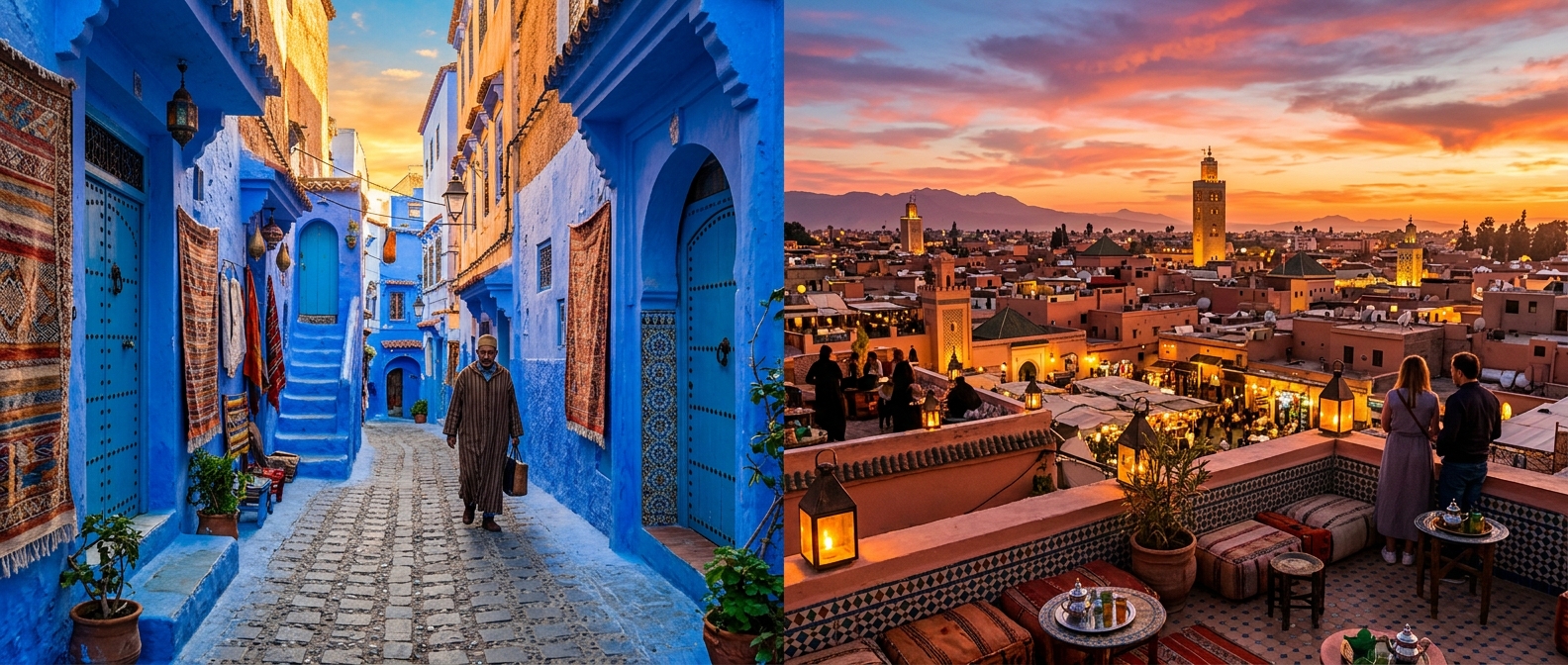
Is Morocco Safe for Solo Female Travellers?
Morocco is one of the more accessible countries in the region for solo women, with good tourism infrastructure, friendly locals and a long history of welcoming travellers. Violent crime against tourists is rare. That said, verbal harassment, unwanted attention and persistent vendors or 'guides' are common experiences, particularly in busy medinas.
The honest picture is that Morocco is safe but not hassle-free. Most discomfort comes from catcalling and pushy attention rather than genuine danger. Knowing this in advance, and preparing your responses, makes the difference between a stressful trip and a confident, enjoyable one.
Handling Street Harassment
The most effective response to unwanted comments is usually to ignore them and keep walking with purpose; engaging often prolongs the interaction. Sunglasses and headphones (even with no music) can reduce eye contact and signal that you are not available to talk.
If someone is persistent, a firm 'la, shukran' (no, thank you) or simply 'no' without smiling is appropriate; politeness is good but you do not owe anyone a conversation. In a genuinely uncomfortable situation, step into a shop, cafe or hotel; staff will usually help, and Moroccan women and families are often allies.
Dressing Smart
There is no legal dress code for tourists, but dressing modestly reduces unwanted attention and shows cultural respect. Covering shoulders and knees is a reliable baseline; loose trousers, maxi dresses, and a scarf you can drape over your head or shoulders are versatile.
In coastal and resort areas like Essaouira, Agadir and the larger hotels, dress is more relaxed and swimwear is fine at the beach and pool. In rural areas and traditional medinas, more conservative dress is wise. Carrying a light scarf is useful for mosque courtyards, sun and cooler evenings.
Transport and Getting Around
Trains, including the Al Boraq high-speed line and ONCF intercity services, are comfortable and a good option for women travelling alone; choose busy carriages and daytime departures when possible. CTM and Supratours buses are reliable for longer routes.
For taxis, use official petit taxis with meters or agree the fare first, and consider ride-hailing apps where available in larger cities. Avoid arriving in a new city late at night, and have your riad arrange an airport pickup for your first arrival so you are not navigating alone in the dark.
Accommodation and Booking
Riads (traditional courtyard guesthouses) are an excellent choice for solo women: they are usually small, family-run, secure, and the hosts can advise on safe routes, trusted guides and reputable tours. Read recent reviews specifically from solo female travellers.
Booking a guesthouse with a good reputation also means having a trusted base to return to and people who will notice if something seems off. Many riads offer airport transfers and can call reliable taxis, which is reassuring when you are on your own.
Confidence and Cultural Tips
Walking with purpose, knowing roughly where you are going, and projecting calm confidence deters most hassle. Avoid unofficial 'guides' who offer to show you the way; they expect payment and may lead you to shops. Use an offline map app instead.
Learn a few words of Darija or French, keep your accommodation address written down, and trust your instincts. Connecting with other travellers via reputable women's travel groups or your riad can add safety and companionship for day trips. Morocco rewards prepared, confident solo travellers with genuine warmth and unforgettable experiences.
| Situation | Recommended Approach |
|---|---|
| Street harassment | Ignore, keep walking, firm 'la shukran' if needed |
| Unofficial guides | Decline politely, use an offline map app |
| Late arrival | Pre-book riad airport transfer, avoid night navigation |
| Dress in medina | Cover shoulders and knees, carry a scarf |
| Feeling unsafe | Step into a shop, cafe or hotel and ask staff for help |
Solo Female Travel Quick Reference
FAQ
Is it safe to walk alone at night in Morocco?
In well-lit, busy central areas it is generally fine, but quieter streets and unfamiliar neighbourhoods at night are best avoided. Take a taxi rather than walking long distances after dark, and have your riad arrange transport when you are unsure.
Do I have to cover my hair in Morocco?
No, tourists are not required to cover their hair in public. A headscarf is only needed inside certain religious sites that admit non-Muslims. Modest clothing covering shoulders and knees is recommended to reduce attention and show respect, but a hijab is optional.
How do I deal with persistent vendors and catcalling?
Stay calm, avoid eye contact, and keep moving without engaging, as responses often prolong the interaction. A firm 'no' is fine, and you should never feel obliged to chat or buy. If attention becomes uncomfortable, duck into a shop or cafe where staff can help.
Loved this? Useful? React below — your feedback helps other readers.