Retiring in Morocco: Complete Guide
Why Morocco Appeals to Retirees
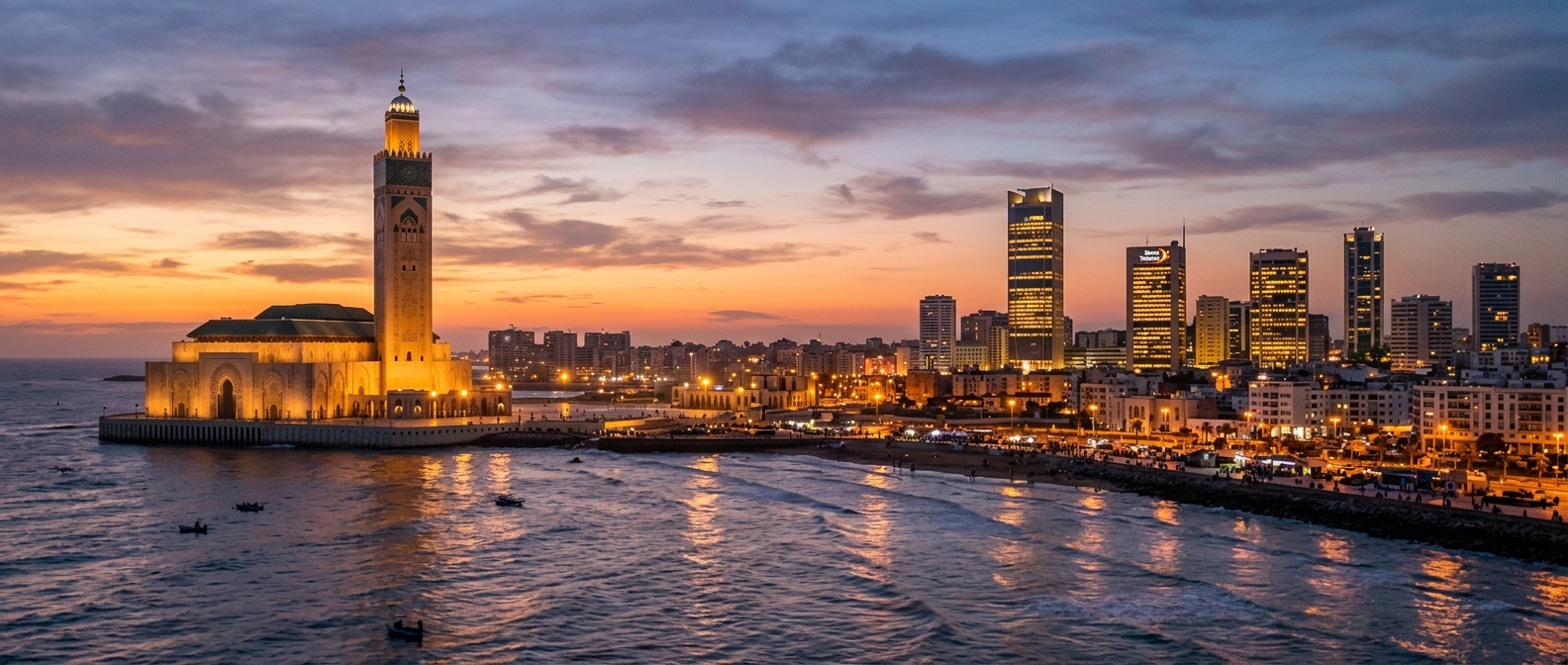
Morocco offers an enviable mix of affordability, sunshine and culture just a short flight from Europe. Retirees stretch their pensions further here than in most Western countries, enjoying lower costs for housing, food, domestic help and leisure.
The lifestyle is a major draw: coastal towns, historic medinas, mountains and desert, plus a welcoming attitude toward foreign residents. Established expat communities in several cities make the transition easier.
Residency for Retirees
There is no special retirement visa, but the carte de sejour works well for pensioners. After entering visa-free for up to 90 days, retirees apply at the local foreign police, demonstrating a stable pension or income and a Moroccan address.
The first card is typically valid for one year and renewable, with longer validity available after several years of continuous residence. Proof of sufficient regular income is the central requirement for this category.
Income, Banking and Pensions
You will need to show that your pension or savings comfortably cover living costs. Bank statements and pension certificates form the core of the financial evidence. Opening a Moroccan bank account simplifies receiving funds and paying local bills.
Many retirees keep pensions paid into a home-country account and transfer funds as needed. Be aware of exchange rates, transfer costs and any rules on declaring foreign income once you become a Moroccan tax resident.
Healthcare Considerations
Morocco has a mix of public and private healthcare. Private clinics in major cities offer good quality care at prices well below Western Europe and North America, and many doctors speak French. Major cities have the best facilities.
Most foreign retirees rely on private international health insurance to cover treatment and any repatriation. Arrange comprehensive cover before relocating, and identify the nearest reputable hospitals to your chosen base.
Cost of Living and Best Cities
Daily costs are notably lower than in Europe. Rent, groceries, dining out and domestic help are affordable, leaving room in most pension budgets for travel and comfort. Coastal and tourist areas cost more than inland towns.
Popular retiree bases include Marrakech for culture and amenities, Essaouira and Agadir for coastal living, Rabat for a calmer administrative capital, and Tangier for proximity to Europe. Each offers a different balance of community, climate and cost.
Tax and Estate Planning
Spending most of the year in Morocco can make you a tax resident, which affects how pensions and worldwide income are taxed. Morocco has tax treaties with many countries to prevent double taxation, but the details matter.
Consult a cross-border tax adviser about pension taxation, treaty benefits and estate planning before you move. Getting this right early avoids surprises and ensures your retirement income is treated efficiently.
| City | Appeal | Vibe |
|---|---|---|
| Marrakech | Culture, amenities, expat community | Lively |
| Essaouira | Coastal, mild climate | Relaxed |
| Agadir | Beaches, sunshine, modern | Resort |
| Rabat | Administrative ease, calm | Quiet capital |
| Tangier | Close to Europe | Cosmopolitan |
Popular retirement cities in Morocco
FAQ
Is there a retirement visa for Morocco?
No dedicated retirement visa exists, but retirees use the standard carte de sejour by proving stable pension income and a Moroccan address.
How much income do I need to retire in Morocco?
You must show a stable pension or savings that comfortably cover living costs. There is no fixed published figure, so confirm with the local foreign police.
What about healthcare for retirees?
Private clinics in major cities offer good, affordable care. Most foreign retirees carry private international health insurance for coverage and repatriation.
Loved this? Useful? React below — your feedback helps other readers.