Ramadan in Morocco: What Travelers Should Know
What Ramadan Means in Morocco
Ramadan is the ninth month of the Islamic lunar calendar and the holiest period of the year for Muslims. From dawn until sunset, observant Moroccans abstain from food, drink, smoking, and other physical needs, dedicating the month to prayer, reflection, charity, and family. Because the Islamic calendar is lunar, Ramadan shifts roughly 11 days earlier each year.
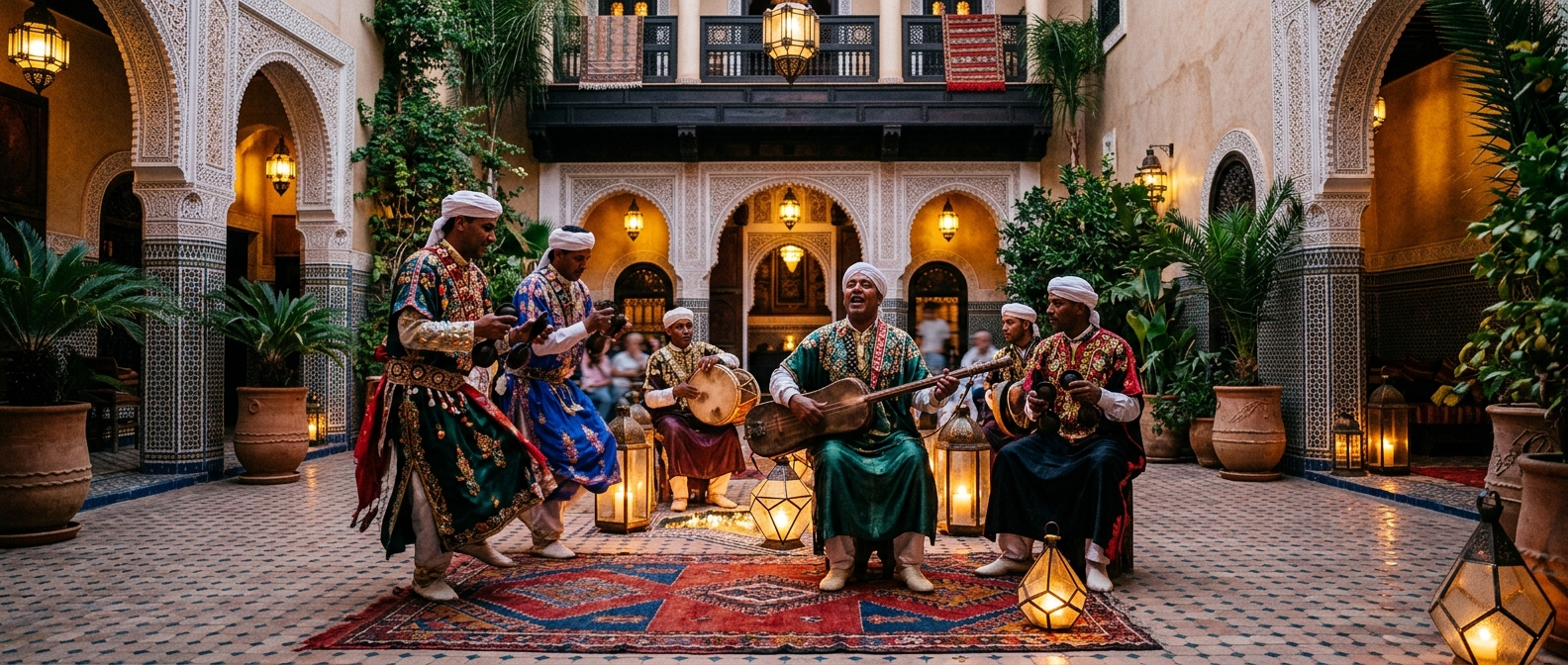
In Morocco, where Islam is the state religion and the vast majority of the population is Muslim, Ramadan reshapes the entire rhythm of daily life. Streets are quiet during the day and come alive after sunset, when the fast is broken with the iftar meal.
How the Day Is Structured
The day begins before dawn with suhoor, a pre-fast meal. A siren, cannon, or the call to prayer signals the start of the fast. The most anticipated moment is iftar at sunset, traditionally broken with dates and a bowl of harira, Morocco's hearty tomato-and-lentil soup, alongside chebakia, boiled eggs, and milk.
After iftar, cities buzz late into the night. Families visit, cafes reopen, markets fill, and special evening taraweeh prayers are held at mosques. Many people stay up until suhoor, so mornings tend to start slowly.
What's Open and What Changes
Most shops, museums, and major tourist sites remain open, though often with adjusted hours. Many local cafes and restaurants close during the day but tourist-oriented establishments, hotels, and riads continue to serve meals. Business hours generally shorten, especially in the late afternoon as people grow tired before iftar.
Transport runs as usual, but expect roads to be hectic in the 30 minutes before sunset as everyone rushes home. After dark, the atmosphere is festive and welcoming, and witnessing a Moroccan city light up at iftar is one of the most memorable travel experiences.
Etiquette for Travelers
You are not expected to fast, but discretion is appreciated. Avoid eating, drinking, or smoking openly on the street during fasting hours. Eat inside restaurants, hotels, or your accommodation instead. Dress modestly, particularly near mosques and in smaller towns.
If a Moroccan family invites you to share iftar, accept warmly if you can; it is a generous and meaningful gesture. A polite greeting during the month is Ramadan Mubarak or Ramadan Karim. Tipping and small kindnesses go a long way, as fasting can leave service staff tired by afternoon.
| Term | Meaning |
|---|---|
| Suhoor | Pre-dawn meal before fasting begins |
| Iftar | Sunset meal that breaks the fast |
| Harira | Traditional soup served at iftar |
| Taraweeh | Special nightly Ramadan prayers |
| Eid al-Fitr | Festival marking the end of Ramadan |
Key Ramadan terms and moments
FAQ
Can tourists eat in public during Ramadan in Morocco?
It is legal for non-Muslim visitors to eat, but out of respect you should avoid eating, drinking, or smoking openly on the street during daylight. Eat inside restaurants, hotels, or your accommodation, many of which stay open for tourists.
Are restaurants and shops open during Ramadan?
Many local cafes close during the day, but tourist restaurants, hotels, and riads continue serving. Shops and sites generally stay open with shortened hours, and everything comes alive after the sunset iftar.
How do I greet someone during Ramadan?
Say Ramadan Mubarak (blessed Ramadan) or Ramadan Karim (generous Ramadan). Both are warmly received and show cultural awareness and respect.
Loved this? Useful? React below — your feedback helps other readers.