New Year in Morocco
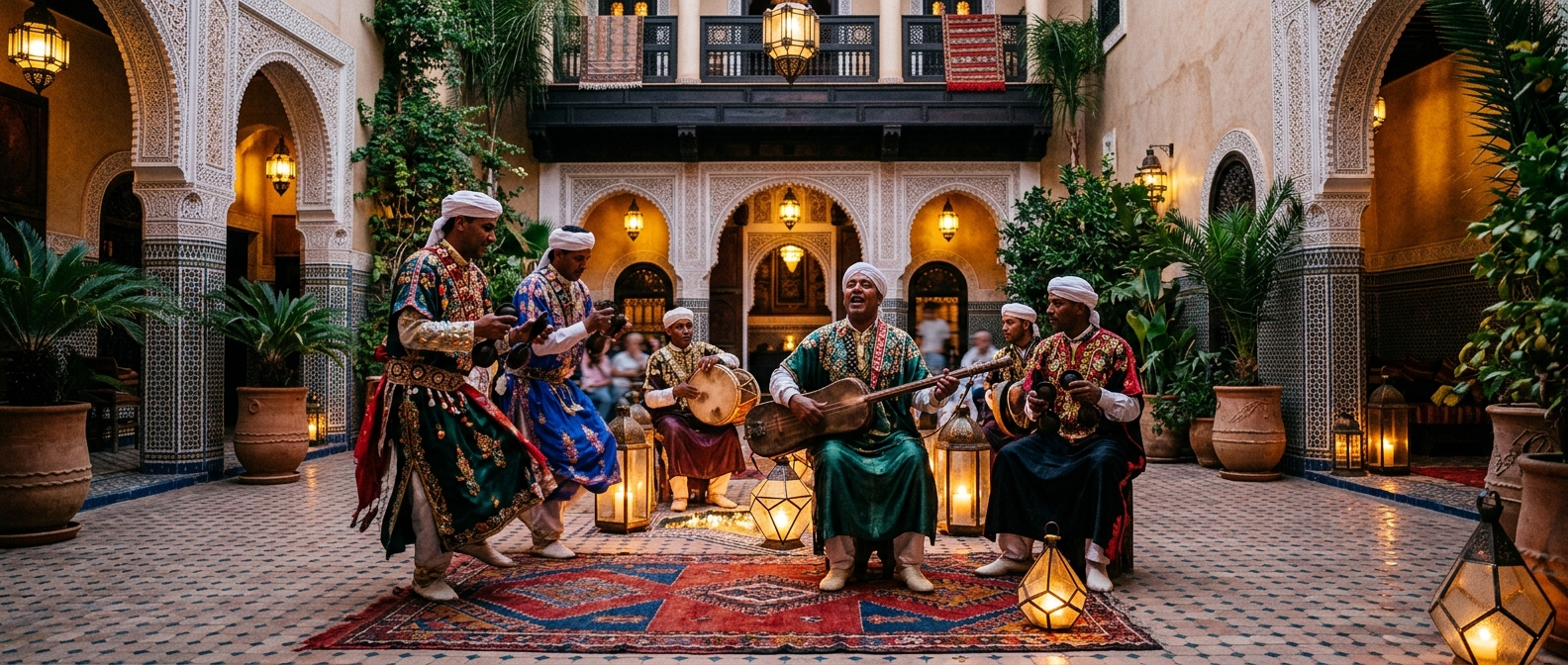
New Year on the Gregorian Calendar
January 1, the Gregorian New Year, is an official public holiday in Morocco. Unlike the religious holidays tied to the lunar calendar or Yennayer based on the Amazigh calendar, this date is fixed each year.
While the Gregorian New Year is not rooted in traditional Moroccan religious or cultural practice, it has become a widely recognized occasion, especially in cities and among younger generations and the tourism sector.
How Moroccans Mark the Occasion
Celebrations are generally low-key compared with the major Eids but festive nonetheless. Many people enjoy family or friend gatherings, special meals and outings, and some attend parties or events.
In larger cities like Casablanca, Marrakech, Rabat and Tangier, restaurants, hotels and venues often organize New Year's Eve dinners, music and entertainment. Tourist hubs tend to have the liveliest celebrations.
Dining and Nightlife
New Year's Eve is a popular night to dine out. Hotels and upscale restaurants frequently offer special menus, live music and countdown events, and reservations are recommended as venues fill quickly.
Riads and resorts in tourist destinations may host gala dinners. Bars and clubs in cities with established nightlife scenes hold parties, though the scale and availability of alcohol-serving venues vary by location.
Festive Atmosphere in the Cities
Some city centers and public squares are decorated with lights, and certain municipalities or venues organize fireworks or concerts. The atmosphere is generally relaxed and celebratory.
Marrakech in particular is known for a vibrant New Year scene, drawing both visitors and locals to its restaurants, rooftops and resorts. Coastal and tourist towns also see increased festivity around the date.
Yennayer and the Amazigh New Year
It is worth distinguishing the Gregorian New Year from Yennayer, the Amazigh New Year celebrated around mid-January, which is a separate, culturally rooted holiday with its own traditions and foods.
Both occasions now hold official holiday recognition in Morocco, but they have different origins: January 1 follows the international calendar, while Yennayer follows the ancient Amazigh agrarian calendar.
Tips for Travelers on New Year
As a public holiday, January 1 brings closures of government offices and banks, while many restaurants, hotels and tourist sites remain open, often with special programming. Some shops may close or reduce hours.
Travelers wanting to celebrate should book restaurant and hotel events in advance, as popular venues sell out. Expect higher prices and demand in tourist destinations around the New Year period, and plan transport accordingly.
| Aspect | Details |
|---|---|
| Date | January 1 (Gregorian, fixed) |
| Holiday status | Official public holiday |
| Typical celebrations | Dinners, parties, hotel events, outings |
| Liveliest cities | Marrakech, Casablanca, Tangier, Rabat |
| Closures | Government offices and banks |
| Note | Separate from Yennayer (Amazigh New Year) |
New Year in Morocco at a glance
FAQ
Is January 1 a public holiday in Morocco?
Yes. The Gregorian New Year on January 1 is an official public holiday in Morocco, with government offices and banks closed.
How do Moroccans celebrate New Year?
Celebrations are festive but generally low-key, centered on family or friend gatherings, dining out, and parties or events at hotels and restaurants, especially in cities and tourist destinations.
Is the Gregorian New Year the same as Yennayer?
No. January 1 follows the international Gregorian calendar, while Yennayer, the Amazigh New Year celebrated around mid-January, is a separate, culturally rooted holiday with its own traditions.
Loved this? Useful? React below — your feedback helps other readers.