Is Tap Water Safe in Morocco?
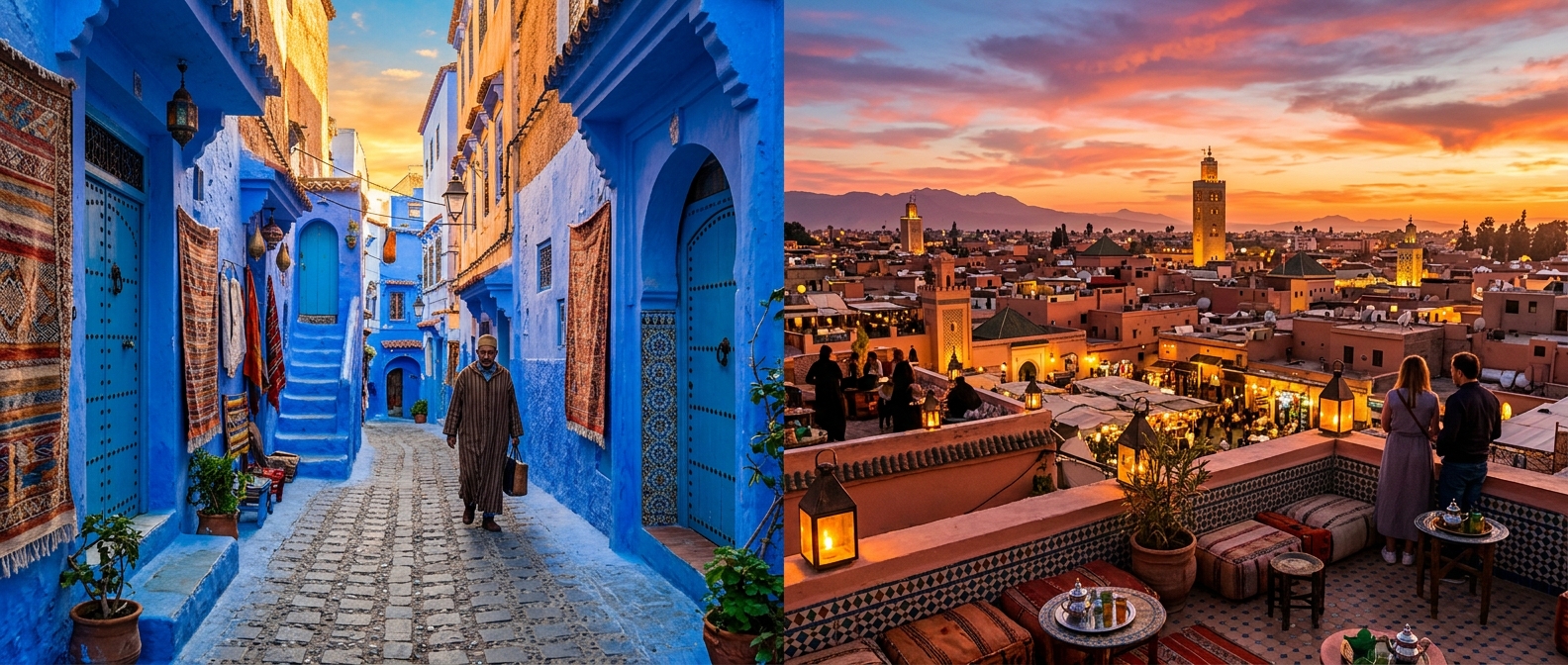
City tap water versus traveller stomachs
In cities like Casablanca, Rabat and Marrakech the municipal supply is chlorinated and locals drink it routinely. However, visitors often react to differences in mineral content and microbes rather than outright contamination, leading to mild traveller's diarrhoea.
To be safe, most tourists drink bottled or filtered water for the duration of a short trip. The risk is low in good hotels but the inconvenience of getting sick on holiday makes caution worthwhile.
Bottled water: the simple default
Bottled water is cheap and sold everywhere, from shops to riads. Check that the seal is intact before buying. A 1.5-litre bottle costs only a few dirhams.
Common Moroccan brands include Sidi Ali and Sidi Harazem. Carry a bottle at all times, especially in summer, when the heat makes dehydration a real risk.
Filters and reusable bottles
To cut plastic waste, many travellers bring a filter or purifier bottle (with a built-in filter or UV purifier) and refill from the tap. This is effective and eco-friendly for longer trips.
Purification tablets or a SteriPEN are useful backups for trekking and desert excursions where bottled water may be limited or expensive.
Ice, salads and brushing teeth
In reputable restaurants and hotels, ice is usually made from treated water and is generally fine, but in budget or street settings it is safer to skip it if you have a sensitive stomach.
Brushing teeth with tap water in cities is low-risk for most people, but the cautious can use bottled water. Wash and peel fruit, and be a little wary of raw salads washed in tap water at very basic eateries.
Rural areas, mountains and the desert
Outside the cities, water quality is less reliable and you should treat tap or well water as unsafe to drink. Stick to sealed bottled water or properly purified water.
On desert tours and mountain treks, carry more water than you think you need, as supplies can be scarce and the heat is intense. Tour operators usually provide bottled water.
If you do get sick
Mild stomach upset usually passes in a day or two. Stay hydrated with bottled water and oral rehydration salts, eat plain foods, and rest. Pharmacies in Morocco are widespread and helpful for over-the-counter remedies.
See a doctor if symptoms are severe, include high fever or blood, or persist beyond a couple of days. Travel insurance with medical cover is recommended.
| Situation | Advice |
|---|---|
| Drinking in cities | Use bottled or filtered water to be safe |
| Drinking in rural/desert | Bottled or purified only |
| Ice in good restaurants | Generally fine |
| Ice in budget/street spots | Skip if sensitive |
| Brushing teeth in cities | Low risk; bottled if cautious |
| Salads / raw produce | Prefer peeled or cooked |
Morocco water safety quick reference
FAQ
Can you drink tap water in Marrakech?
It is chlorinated and locals drink it, but most travellers use bottled or filtered water to avoid an upset stomach from unfamiliar minerals and microbes.
Is ice safe in Morocco?
In reputable hotels and restaurants ice is usually made from treated water and is fine. In budget or street settings, skip the ice if you have a sensitive stomach.
How much does bottled water cost in Morocco?
Very little; a 1.5-litre bottle costs only a few dirhams in shops. Common brands include Sidi Ali and Sidi Harazem, and it is sold almost everywhere.
Loved this? Useful? React below — your feedback helps other readers.