Morocco Student Visa Guide
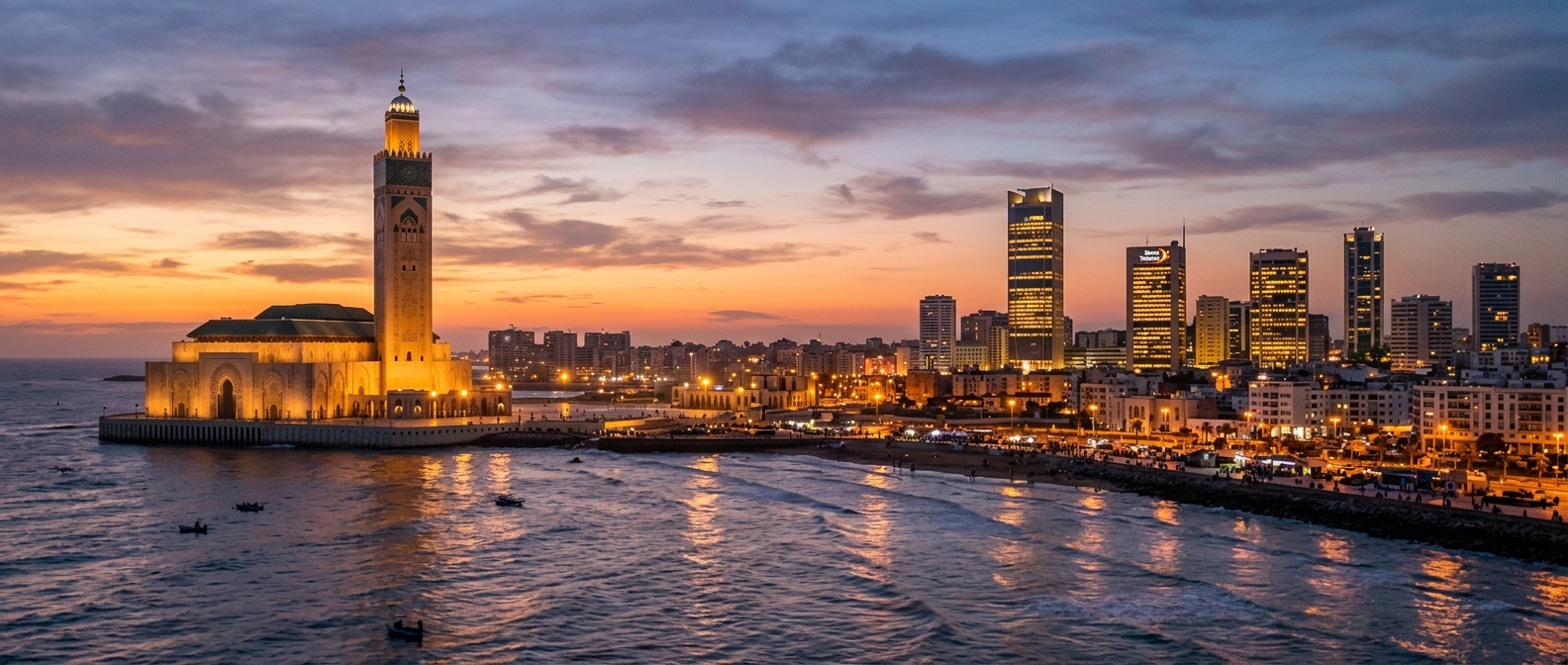
Studying in Morocco as a Foreigner
Morocco hosts a growing number of international students, drawn by affordable tuition, French and Arabic instruction, and programs in fields from medicine to business. Public and private universities welcome foreign enrollment.
The first requirement is a confirmed admission. The acceptance or enrollment certificate from a recognized institution is the foundation of any student immigration file.
Entry: Visa or Visa-Free
Whether you need a visa to enter depends on your nationality. Many nationalities can enter visa-free for up to 90 days and then regularize as students once inside, while others must obtain a student visa from a Moroccan consulate before traveling.
Check your nationality's requirements with the nearest Moroccan consulate well ahead of the academic year. Even visa-free entrants must move on to a student residence permit for the full duration of study.
The Student Carte de Sejour
To remain for a full program, students apply for a student carte de sejour at the local foreign police within their first 90 days. It legalizes the longer stay and is renewed each year against continued enrollment.
The student category is well defined, with the enrollment certificate at its center. Keeping the card valid throughout your studies is essential and tied to maintaining active student status.
Documents and Requirements
A typical student file includes the enrollment certificate, passport and entry stamp copies, passport photos, proof of accommodation, proof of sufficient funds to support yourself, and sometimes a medical certificate. Some documents may require translation.
Demonstrating financial means is important, as it shows you can cover tuition and living costs. Scholarship letters or sponsor guarantees can serve this purpose where applicable.
Costs and Cost of Living
Tuition varies widely between public and private institutions, with public universities generally far cheaper. Beyond tuition, the official residence-card duties are modest, but budget for translations, photos and incidentals.
Living costs in Morocco are low compared with Europe and North America. Student housing, food and transport are affordable, making the country attractive for budget-conscious international students.
Working and After Graduation
Student status is primarily for study, and any work is restricted. Students wishing to work generally need separate authorization, and the standard employment route requires an approved contract and work-based residency.
Graduates who wish to stay and work must transition to an employment-based status, with an employer sponsoring an approved contract. Plan this transition before your student card expires to avoid gaps in legal stay.
| Item | Detail | Notes |
|---|---|---|
| Admission | Enrollment certificate | Foundation of the file |
| Entry | Visa-free 90 days or student visa | Depends on nationality |
| Residency | Student carte de sejour | Renewed yearly |
| Working | Restricted | Separate authorization needed |
Student stay essentials in Morocco
FAQ
Do I need a visa to study in Morocco?
It depends on your nationality. Many can enter visa-free for 90 days and regularize as students; others need a student visa from a consulate beforehand.
Can international students work in Morocco?
Work is restricted on student status. You generally need separate authorization, and full employment requires an approved contract and work-based residency.
How do I stay after graduation?
You must switch to an employment-based status, with an employer sponsoring an approved contract before your student card expires.
Loved this? Useful? React below — your feedback helps other readers.