Best Morocco Souvenirs & What to Buy
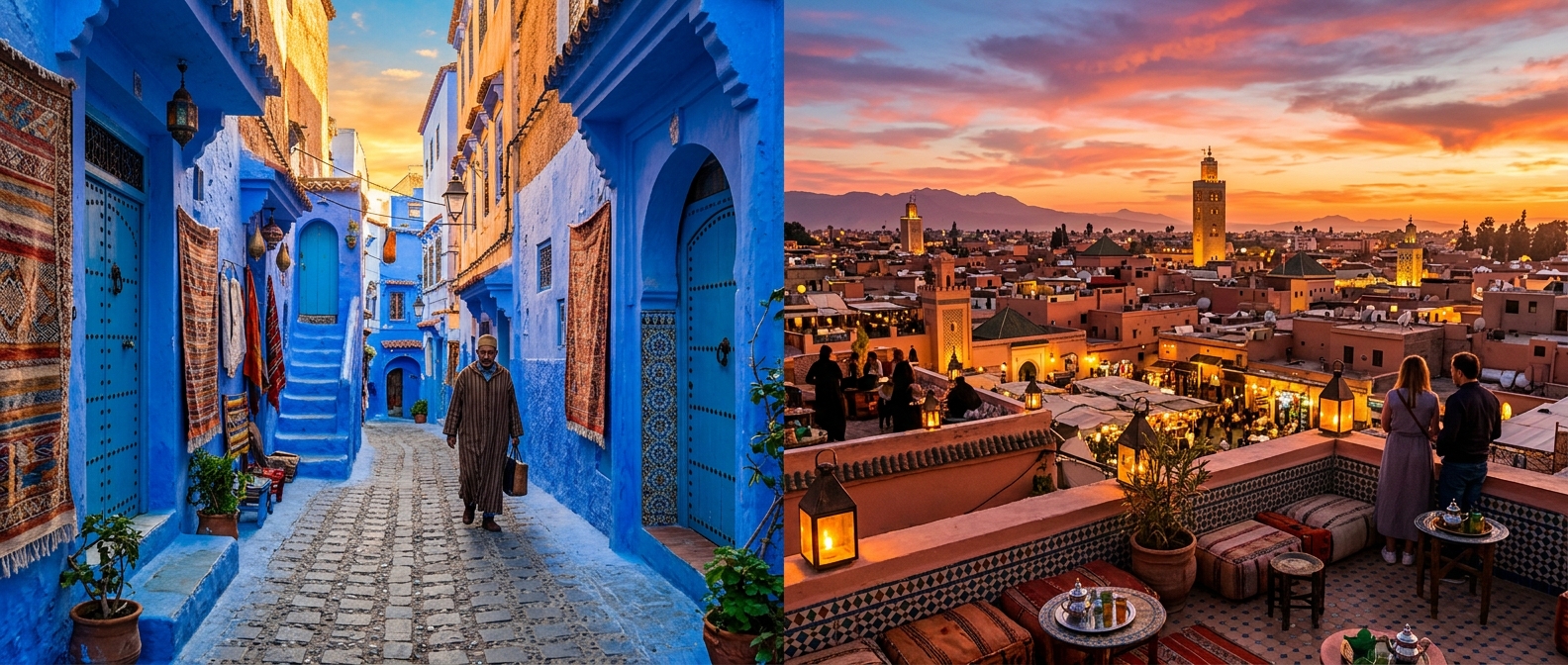
Rugs and textiles
Handwoven Berber rugs are Morocco's signature buy, from thick Beni Ourain wool rugs to colourful Boucherouite rag rugs. Prices vary hugely with size, material and knot density, so inspect the back for hand-knotting.
Other textiles worth buying include cactus-silk (sabra) throws, woven blankets and cotton scarves. Reputable shops can arrange international shipping for larger rugs.
Leather goods
Fez and Marrakech are famous for leather: babouche slippers, poufs (floor cushions, usually sold unstuffed), bags, belts and jackets. The Chouara Tanneries in Fez are the heart of the trade.
Smell the leather, as a strong chemical odour can signal poor curing. Quality leather is supple and even; bargain firmly, as opening prices are high.
Ceramics, zellige and tea sets
Hand-painted ceramics from Fez (blue) and Safi are beautiful tagine dishes, bowls and plates. Mosaic zellige tiles and tabletops make striking, if heavy, souvenirs.
Traditional tea sets, ornate silver-coloured teapots and decorated glasses, paired with loose green tea and fresh mint culture, are popular and packable gifts.
Argan oil and cosmetics
Argan oil, produced mainly in the southwest near Essaouira and Agadir, comes in culinary (nutty, for food) and cosmetic (for skin and hair) grades. Buy from women's cooperatives for authenticity and fair trade.
Other natural products include amlou (an argan-almond spread), rose water, black soap (savon beldi) and ghassoul clay for the hammam. Check seals on liquids before flying.
Lanterns, metalwork and spices
Pierced-metal and stained-glass lanterns cast gorgeous patterns and are an iconic buy; choose lightweight versions for easy packing. Brass and silver-toned trays and teapots are also popular.
Spices such as ras el hanout, saffron, cumin and dried herbs are aromatic, lightweight gifts. Buy whole spices and sealed packets, and be cautious with very cheap saffron, which may be adulterated.
Haggling and what to avoid
Haggling is part of the culture in the souks. Start friendly, counter at roughly 40-60% of the first price, and be willing to walk away to find the real price; fixed-price cooperatives are an easier alternative.
Avoid items made from protected species or genuine antiques without export papers, and be wary of fake argan oil or saffron. Carry the souvenir's likely customs status in mind for your home country.
| Souvenir | Best for | Tip |
|---|---|---|
| Berber rug | Marrakech, Atlas villages | Check hand-knotting; arrange shipping |
| Leather goods | Fez, Marrakech | Smell for chemicals; bargain hard |
| Ceramics / zellige | Fez, Safi | Pack carefully; heavy |
| Argan oil | Essaouira, Agadir | Buy from cooperatives |
| Lanterns / metalwork | Marrakech souks | Pick lightweight versions |
| Spices / saffron | Spice souks | Sealed packets; beware fake saffron |
| Tea set | Anywhere | Wrap glasses well |
Top Moroccan souvenirs and where to buy
FAQ
Is haggling expected in Moroccan souks?
Yes, bargaining is part of the culture. Counter the opening price at roughly 40-60%, stay friendly, and be ready to walk away. For fixed prices, shop at cooperatives instead.
Where can I buy authentic argan oil?
Buy from women's cooperatives, mainly in the southwest near Essaouira and Agadir, for genuine, fair-trade oil. Distinguish culinary grade (for food) from cosmetic grade (for skin and hair).
Can I bring spices and argan oil home?
Generally yes, but check your country's customs rules on food and liquids. Pack sealed packets of spices and ensure oil bottles are well sealed and within liquid limits if carrying on.
Loved this? Useful? React below — your feedback helps other readers.