Morocco's National Parks
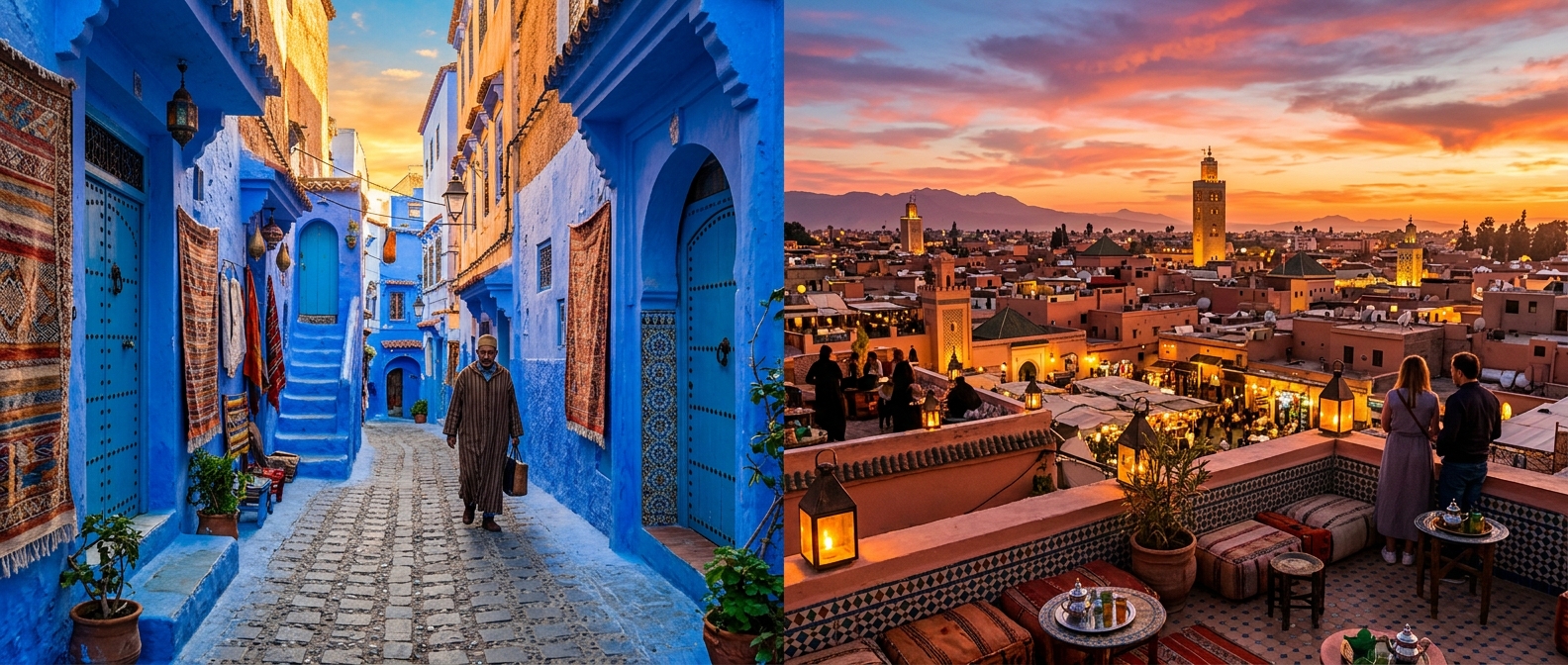
Protecting Morocco's Wild Places
Morocco's network of national parks safeguards some of North Africa's most precious ecosystems, from alpine peaks and cedar forests to coastal lagoons and desert margins. Established to protect biodiversity and scenery, they also offer travelers superb opportunities for hiking, wildlife watching, and immersion in wild nature.
While facilities and signage vary and some parks are inhabited by traditional communities, these protected areas remain the best places to experience Morocco's natural heritage. From snow-clad summits to flamingo-filled estuaries, the parks reveal a side of the country far removed from its busy cities.
Toubkal National Park
Toubkal National Park, in the High Atlas south of Marrakech, is Morocco's most famous protected area and a magnet for trekkers. It encompasses Jebel Toubkal, at 4,167 metres the highest peak in North Africa, along with dramatic valleys and Berber villages.
The park offers everything from day hikes to multi-day treks and winter mountaineering, with guides, mules, and refuges supporting visitors. Its mix of rugged alpine scenery and living mountain culture makes it the centerpiece of adventure tourism in Morocco.
Souss-Massa National Park
On the Atlantic coast south of Agadir, Souss-Massa National Park protects estuaries, dunes, and coastal habitats of immense importance to wildlife. It is best known as the last major stronghold of the critically endangered northern bald ibis.
Birdwatchers flock here to see the ibis alongside flamingos, herons, and migrating shorebirds in the rich wetlands. The park also shelters reintroduced gazelles and oryx in fenced enclosures, part of efforts to restore species lost from the wild, making it a key conservation site.
Ifrane National Park
In the Middle Atlas, Ifrane National Park protects some of Morocco's most extensive cedar forests, home to the endangered Barbary macaque. Cool, green, and dotted with lakes, it provides a striking contrast to the desert south.
Visitors come to see wild macaques near Azrou, walk among ancient cedars, and enjoy the alpine-style scenery around the resort town of Ifrane. The park is also rich in birdlife and offers a refreshing mountain retreat, particularly welcome during the hot summer months.
Talassemtane and the Rif
In the northern Rif Mountains, Talassemtane National Park protects rare Moroccan fir forests, limestone peaks, and deep gorges. It is close to the blue-painted town of Chefchaouen, a popular base for exploring the area.
The park's highlights include the natural rock arch known as the Bridge of God (Pont de Dieu) and the Akchour waterfalls, reached by scenic hikes through lush valleys. Its unique flora and dramatic scenery make it one of the most rewarding parks for walkers in northern Morocco.
Other Notable Parks
Morocco protects several other significant areas. Tazekka National Park near Taza features cork oak forests, caves, and waterfalls. Khenifiss National Park guards a vast coastal lagoon important for waterbirds, while Iriqui and the desert reserves shelter reintroduced oryx and gazelles.
Al Hoceima National Park combines marine and mountain habitats along the Mediterranean, protecting cliffs, monk seal habitat, and coastal forest. Each park offers its own character, and together they showcase the remarkable range of Morocco's landscapes and wildlife.
Visiting the Parks Responsibly
Facilities differ widely between parks, so research access, guides, and accommodation before visiting. Many parks are home to local communities, so respect their customs, dress modestly, and support village economies through guides and guesthouses.
Stay on trails to protect fragile habitats, never feed wildlife such as macaques, and carry out all rubbish. Hiring local guides enhances safety and understanding while providing income that supports conservation. Responsible visits help ensure these protected areas endure for future generations.
| Park | Region | Highlight |
|---|---|---|
| Toubkal | High Atlas | North Africa's highest peak |
| Souss-Massa | Atlantic coast | Northern bald ibis |
| Ifrane | Middle Atlas | Cedar forests, macaques |
| Talassemtane | Rif Mountains | Fir forests, Bridge of God |
| Al Hoceima | Mediterranean | Coastal cliffs, marine life |
Major Moroccan national parks
FAQ
How many national parks does Morocco have?
Morocco has around a dozen national parks protecting diverse habitats, from High Atlas peaks and Middle Atlas cedar forests to Atlantic and Mediterranean coastal areas and desert reserves.
Which national park is best for wildlife in Morocco?
Souss-Massa is best for birds, especially the northern bald ibis, while Ifrane National Park is the top spot for seeing wild Barbary macaques among cedar forests.
Do I need a guide to visit Morocco's national parks?
Not always, but a local guide is recommended for trekking parks like Toubkal and Talassemtane, improving safety, navigation, and your understanding of the area while supporting communities.
Loved this? Useful? React below — your feedback helps other readers.