Morocco's Fintech & Startup Scene
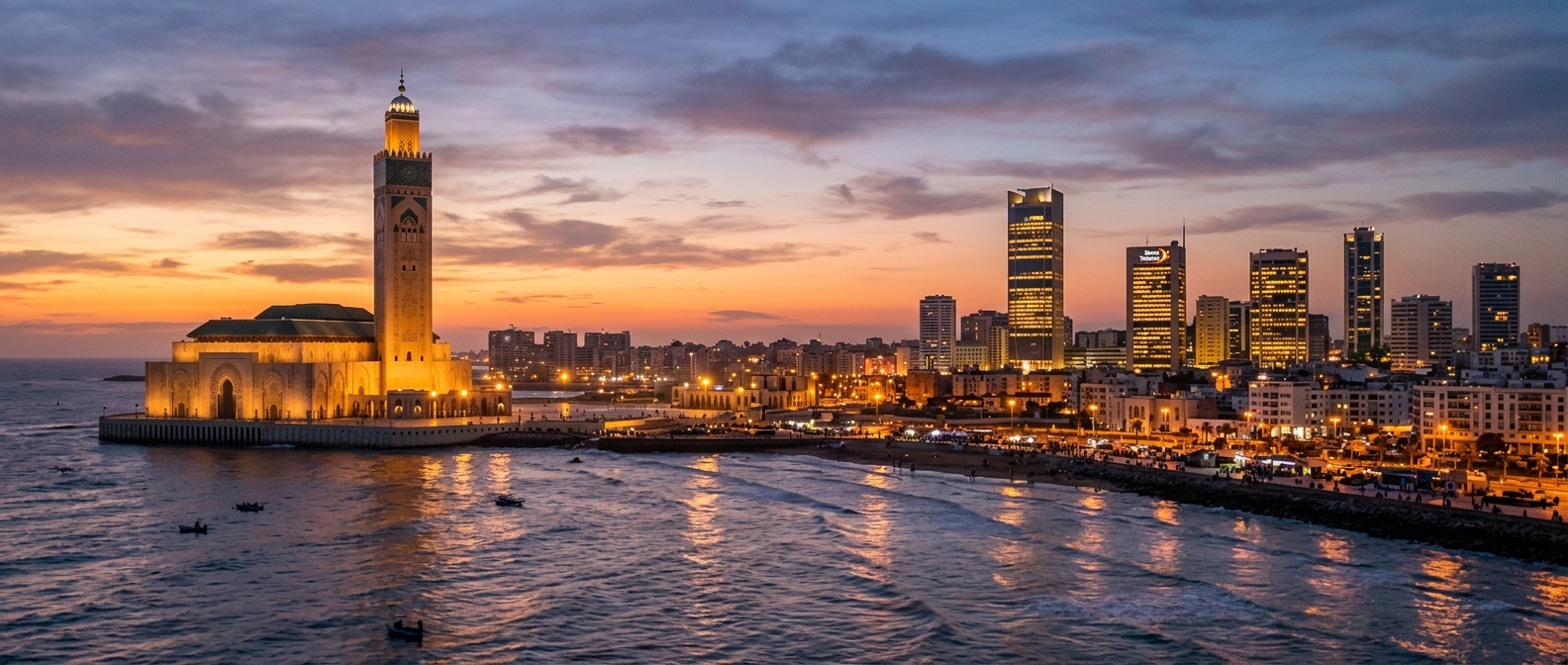
Why Morocco Is a Rising Tech Hub
Morocco combines a strategic location between Europe and Africa, political stability, a young and increasingly connected population, and proximity to European markets. These factors make it an attractive base for founders targeting both African and Francophone markets.
Strong mobile and internet penetration, together with a sizeable diaspora that brings skills and investment back home, has helped seed a startup culture concentrated in the country's economic capital, Casablanca, and in Rabat.
The Fintech Opportunity
A significant share of Moroccans have historically been unbanked or underbanked, while smartphone ownership is widespread. That gap is exactly the kind of opportunity fintech thrives on, spanning mobile wallets, payment processing, lending, insurance technology and remittances.
The central bank and regulators have pushed financial-inclusion initiatives and the rollout of mobile payment frameworks, creating an environment where digital wallets and cashless payments are gaining traction, particularly among younger and urban users.
Key Sectors Beyond Fintech
While fintech is prominent, Morocco's startups also cluster around e-commerce, logistics and delivery, edtech, healthtech, agritech (relevant given the country's large agricultural sector) and renewable-energy tech tied to national green ambitions.
Cross-border e-commerce and services aimed at the wider Africa and MENA regions are increasingly common, with Casablanca positioning itself as a launchpad into Francophone Africa.
Government and Ecosystem Support
The state has backed digital strategies, tech parks and innovation initiatives, and Casablanca Finance City has sought to attract financial and tech firms with incentives. Universities, accelerators, incubators and co-working spaces have multiplied in major cities.
Public programmes and partnerships aim to support entrepreneurship and ease company formation, though founders often note that execution and access to capital still lag the ambition of policy announcements.
Funding and Investment Landscape
Early-stage funding from local angels, regional venture funds and diaspora investors has grown, and some Moroccan startups have attracted international rounds. Still, the local venture-capital market is relatively young compared with hubs like Egypt, Nigeria or the Gulf.
Founders frequently raise from or relocate part of operations to markets with deeper capital, and regional funds increasingly view Morocco as part of a broader North and West Africa investment thesis.
Challenges and Outlook
Key challenges include access to growth-stage capital, regulatory complexity, talent retention amid emigration, and reaching customers who remain cash-reliant. Building trust in digital finance among less-connected populations is an ongoing effort.
Despite these hurdles, the trajectory is positive. Demographics, smartphone adoption, government digitalization and Morocco's gateway role to Africa give the ecosystem strong long-term tailwinds.
| Factor | Status |
|---|---|
| Main hubs | Casablanca, Rabat |
| Hot sectors | Fintech, e-commerce, logistics, agritech |
| Key driver | Young population, high mobile use |
| Main challenge | Late-stage funding, unbanked users |
| Strategic edge | Gateway to Francophone Africa |
Morocco startup ecosystem snapshot
FAQ
Where is Morocco's main tech hub?
Casablanca is the leading hub as the economic capital, home to Casablanca Finance City, with Rabat as a strong secondary center for startups and government-backed initiatives.
Why is fintech promising in Morocco?
A large share of the population is unbanked or underbanked while smartphone use is high, creating demand for mobile wallets, payments and digital lending, supported by financial-inclusion policies.
What holds the ecosystem back?
The main constraints are limited late-stage venture capital, a young investment market, talent emigration, and a customer base that still relies heavily on cash.
Loved this? Useful? React below — your feedback helps other readers.