Morocco Events & Festivals Calendar 2026
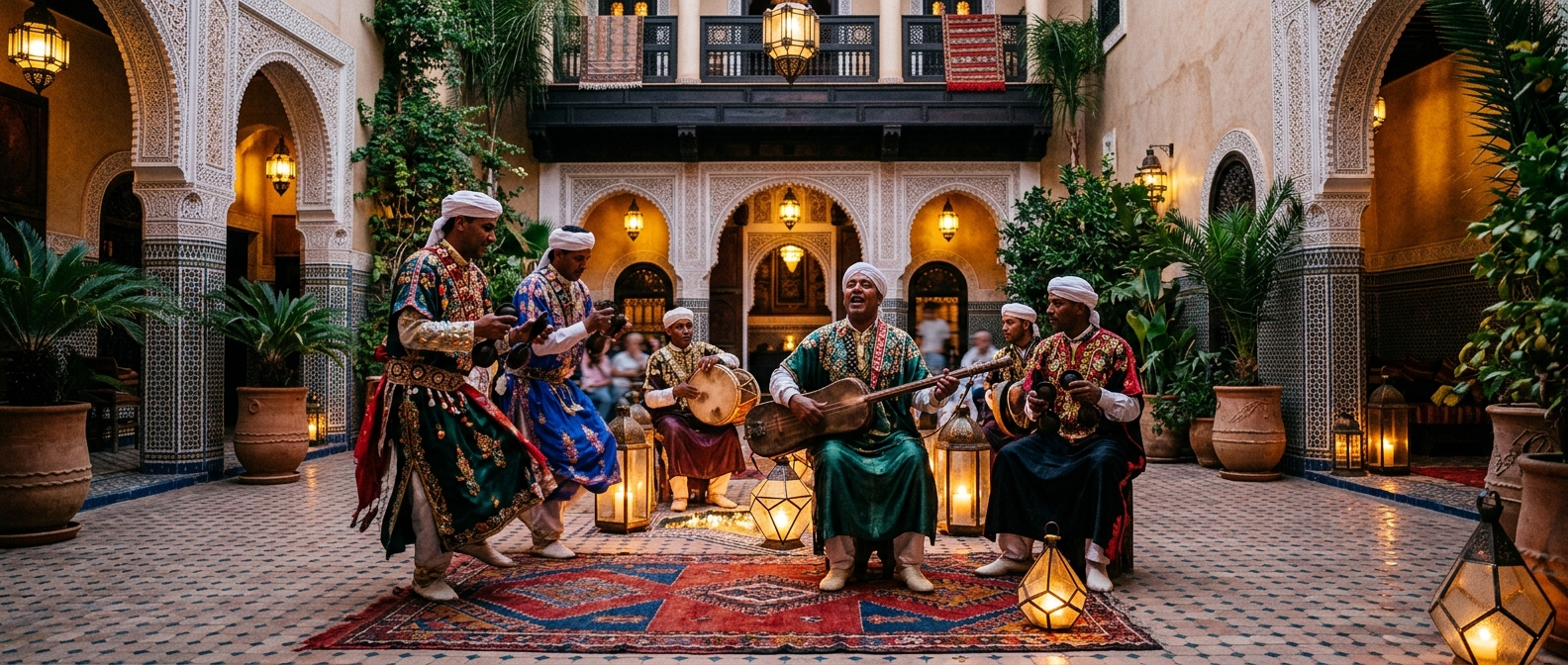
Why Morocco's Festival Scene Is So Rich
Morocco's calendar reflects its layered identity: Amazigh (Berber) harvest rites, Arab-Andalusian musical traditions, Sufi religious gatherings, and modern international arts festivals all coexist. Many events are tied to the agricultural year, the Islamic lunar calendar, or seasonal harvests, which is why a single trip can feel like several cultures at once.
Because Morocco spans the Atlantic coast, the Atlas Mountains, and the Sahara, festivals also vary sharply by region. A spring rose harvest in the Dades Valley has a completely different mood from a summer beach-side music festival in Essaouira or a desert gathering near Merzouga.
Spring: Roses, Music and Warm Weather
Spring (March to May) is arguably the best window for festivals. The weather is mild, the countryside is green, and several flagship events cluster together. The Rose Festival in Kelaat M'Gouna, usually in early-to-mid May, celebrates the Damask rose harvest with parades, music and a Rose Queen ceremony.
Other spring highlights include the Marrakech Marathon (typically January) bleeding into the warmer months, and a range of smaller regional moussems (saint-day pilgrimages) that begin once the weather improves.
Summer: The Big International Festivals
June is the densest month. The Fez Festival of World Sacred Music draws international audiences for concerts in historic palaces and squares, while the Gnaoua World Music Festival in Essaouira fills the coastal town with trance-inducing Gnaoua rhythms fused with jazz and world acts.
Later in summer, the Mawazine Festival in Rabat brings global pop and rock headliners alongside Arab and African stars, and is one of the largest music festivals in the world by attendance. Heat can be intense inland, so coastal and mountain events are more comfortable.
Autumn: Harvests and Mountain Gatherings
Autumn brings harvest-themed events. The Erfoud Date Festival, usually in October, marks the date harvest in the Tafilalet oasis region with markets, music and camel parades. In the High Atlas, the Imilchil Marriage Festival (commonly September) is a famous Amazigh gathering historically linked to betrothals.
These events are smaller and more authentic than the big city festivals, and are excellent for travellers seeking rural Morocco rather than international headline acts.
Winter and Religious Observances
Winter is quieter for festivals, but it is peak season for desert travel and Marrakech tourism thanks to cooler temperatures. Religious observances follow the lunar calendar and move about 11 days earlier each year. Ramadan reshapes daily rhythms, with daytime fasting and lively evenings; Eid al-Fitr and Eid al-Adha are major family holidays.
During Ramadan many restaurants adjust hours and some events pause, so travellers should plan around it. Conversely, the post-iftar evenings can be one of the most atmospheric times to experience Moroccan cities.
Practical Tips for Festival Travel
Book accommodation early for major festivals, as host towns like Essaouira and Fez fill quickly and prices rise. Confirm exact dates a few months ahead, since lunar-calendar events and regional moussems are announced late.
Dress modestly for religious and rural gatherings, ask before photographing people, and budget for cash, as smaller towns may have limited card acceptance.
| Festival | Location | Typical Month | Theme |
|---|---|---|---|
| Rose Festival | Kelaat M'Gouna | May | Rose harvest |
| Fez Sacred Music Festival | Fez | June | World sacred music |
| Gnaoua World Music | Essaouira | June | Gnaoua & world music |
| Mawazine | Rabat | June | International pop/rock |
| Imilchil Marriage Festival | High Atlas | September | Amazigh gathering |
| Erfoud Date Festival | Erfoud | October | Date harvest |
Major Morocco festivals by season (dates approximate)
FAQ
When is the best month to visit Morocco for festivals?
June is the richest month, with the Fez Sacred Music, Gnaoua and Mawazine festivals all taking place. Spring (April-May) is also excellent for milder weather and the Rose Festival.
Do festival dates change each year?
Yes. Seasonal harvest festivals shift with the agricultural calendar, and religious observances follow the lunar calendar, moving roughly 11 days earlier annually. Always confirm dates before booking.
Are Morocco's festivals tourist-friendly?
The major city festivals like Mawazine and Fez are well-organised for international visitors. Rural moussems are more traditional, so dress modestly and be respectful when photographing.
Loved this? Useful? React below — your feedback helps other readers.