Morocco Visa Options for Digital Nomads
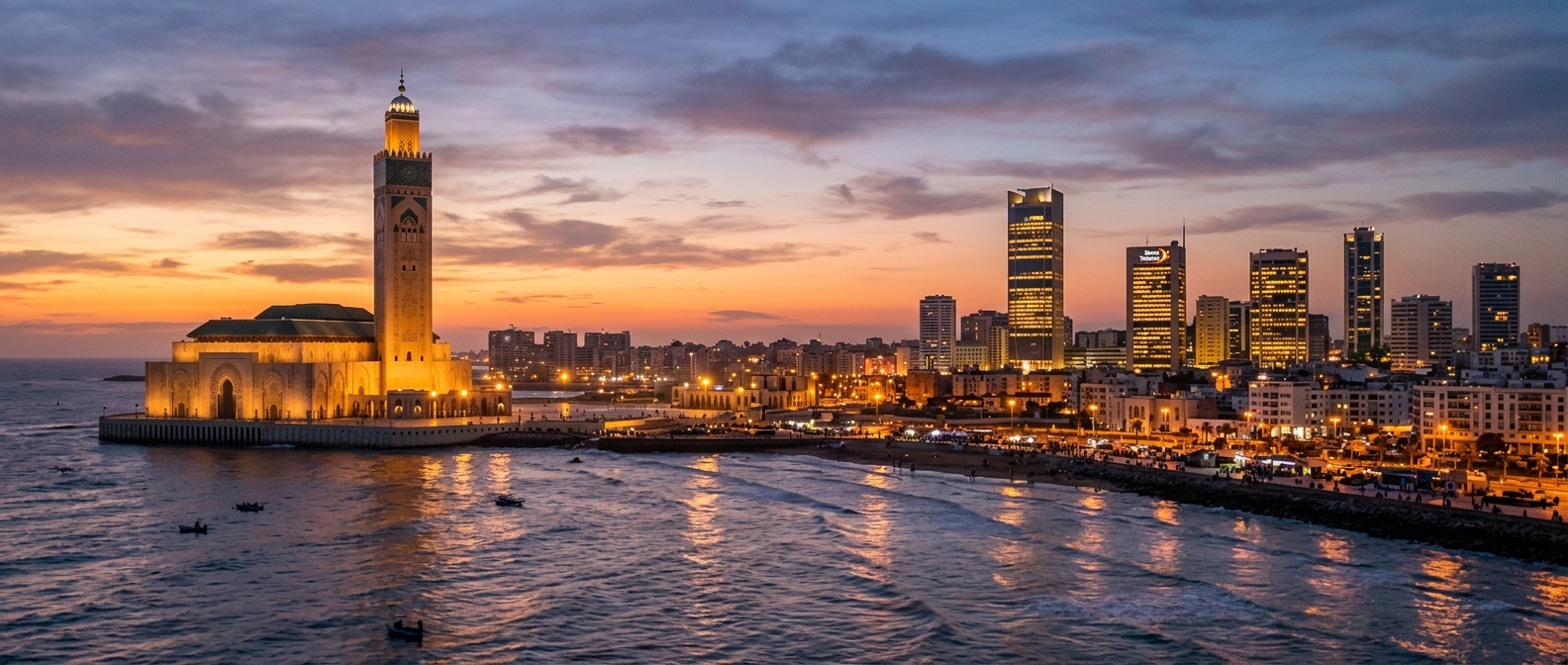
Why Nomads Choose Morocco
Morocco has become a magnet for remote workers thanks to its proximity to Europe, low cost of living, vibrant cities like Marrakech, Casablanca, Rabat and Tangier, and a growing network of coworking spaces. The time zone overlaps well with both Europe and the Americas, which suits remote teams.
Beyond logistics, the appeal is lifestyle: mountains, coast and desert within easy reach, a rich culture, and warm weather for most of the year. These factors have built a sizeable informal nomad community.
The 90-Day Visa-Free Reality
Citizens of many countries, including the EU, US, Canada, UK and Australia, can enter Morocco without a visa and stay up to 90 days. For short stints this is the simplest route, and no special application is needed before arrival.
The catch is that the 90 days are per entry under typical rules, and overstaying leads to fines. Some nomads do a border run to reset the clock, but this is not a guaranteed long-term strategy and can attract scrutiny if repeated frequently.
Staying Longer: The Residency Route
For stays beyond 90 days, the proper route is a carte de sejour. Nomads typically qualify by demonstrating stable foreign income and a Moroccan address, applying at the local foreign police within the first 90 days.
This formalizes a long stay and removes the stress of border runs. It does involve paperwork, translations and proof of resources, but it provides a stable legal basis to live in the country for a year at a time.
The Remote Work Grey Area
Morocco has no dedicated nomad visa and no explicit framework for foreigners working online for overseas clients while on tourist status. In practice many do it, but it remains legally ambiguous, and there is no local work authorization covering this arrangement.
Nomads earning from foreign sources should be aware of both immigration nuance and potential tax residency if they spend long periods in the country. Professional advice is wise once a stay becomes more than a few months.
Connectivity and Cost of Living
Internet quality is generally good in major cities, with fiber in many neighborhoods and reliable 4G almost everywhere. Coworking spaces in Marrakech, Casablanca and Rabat offer fast connections and community. Rural and mountain areas are more variable.
Costs are attractive: rent, food and transport are typically far cheaper than Western Europe or North America. A comfortable nomad budget stretches considerably further, especially outside the most touristed districts.
Practical Setup Checklist
Arrive with proof of onward travel and accommodation, get a local SIM for data, and choose a base city near coworking and amenities. If you intend to stay past 90 days, gather income and address documents early so you can start residency in time.
Keep your foreign tax and banking arrangements tidy, use a reliable VPN if needed for work tools, and budget for occasional admin trips. Confirm the latest entry rules with a Moroccan consulate before flying.
| Option | Max duration | Best for |
|---|---|---|
| Visa-free entry | 90 days per entry | Short stays and trial visits |
| Border run reset | Repeats 90 days | Risky medium-term stays |
| Carte de sejour | 1 year, renewable | Settling for longer periods |
| Dedicated nomad visa | Not available | N/A currently |
Comparing nomad stay options in Morocco
FAQ
Does Morocco have a digital nomad visa?
Not currently. Most nomads use the 90-day visa-free entry, then either leave and return or apply for a carte de sejour for longer stays.
Is it legal to work remotely from Morocco on tourist status?
It is a grey area. There is no specific authorization for online work for foreign clients, so longer stays are best formalized through residency.
How good is the internet for remote work?
Generally good in major cities, with fiber and reliable 4G plus many coworking spaces. Rural areas can be less consistent.
Loved this? Useful? React below — your feedback helps other readers.