The Diaspora Engine Powering Morocco's Football Rise
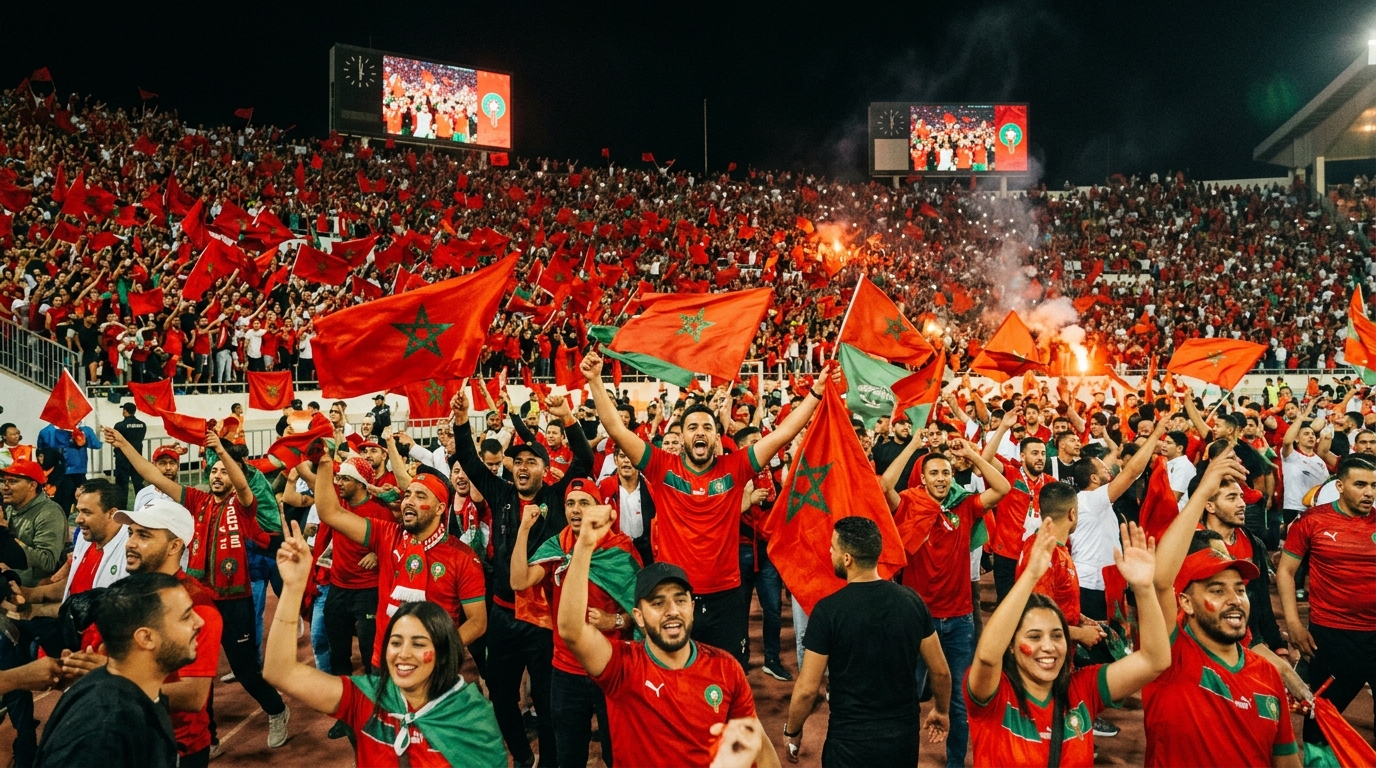
A Global Talent Pool
Morocco has one of the largest and most influential diasporas in football, with communities across France, Spain, the Netherlands, Belgium, and beyond. Generations raised in Europe's elite academies represent a vast reservoir of talent.
Rather than treat this as a complication, Morocco embraced it. The federation built a deliberate strategy to identify, court, and integrate dual-national players, turning geography into a competitive advantage.
Convincing the Stars to Choose Morocco
Many diaspora players are eligible for multiple nations, making recruitment a persuasion game. Morocco's success in convincing top talents to commit reflects strong relationship-building, national pride, and a compelling team project.
The 2022 World Cup run was the ultimate recruitment tool. Watching Morocco beat Europe's best and reach the semifinals made representing the Atlas Lions an aspirational choice rather than a fallback.
Blending Two Worlds
The genius of Morocco's setup is the fusion of diaspora players with homegrown academy graduates. European tactical schooling meets domestic identity, and coaches like Walid Regragui, himself French-born, bridge the cultures seamlessly.
That blend creates a squad that is technically refined, physically elite, and deeply unified. The shared sense of representing roots and family gives the team an emotional cohesion that opponents often struggle to match.
A Model for the Future
Morocco's diaspora strategy is now studied and admired across international football. It has transformed the national team and offers a template for nations with large emigrant communities.
As the academy system matures alongside the diaspora pipeline, Morocco enjoys two complementary talent streams. That dual supply underpins the country's ambitions through 2026 and the 2030 home World Cup.
| Aspect | Detail |
|---|---|
| Key countries | France, Spain, Netherlands, Belgium |
| Strategy | Recruit and integrate dual-nationals |
| 2022 impact | Core of semifinal squad |
| Complement | Mohammed VI Academy graduates |
| Reputation | Studied model worldwide |
Morocco's Diaspora Pipeline
FAQ
Why is Morocco's diaspora so important to its team?
Many Atlas Lions stars were born or raised in Europe and chose Morocco, giving the national team elite, academy-schooled talent across the squad.
How does Morocco recruit diaspora players?
Through deliberate relationship-building, national pride, and a compelling team project, amplified hugely by the success of the 2022 World Cup run.
Does Morocco rely only on the diaspora?
No, the diaspora pipeline works alongside homegrown Mohammed VI Academy graduates, giving Morocco two complementary talent streams.
Loved this? Useful? React below — your feedback helps other readers.