How the 2030 World Cup Will Transform Morocco
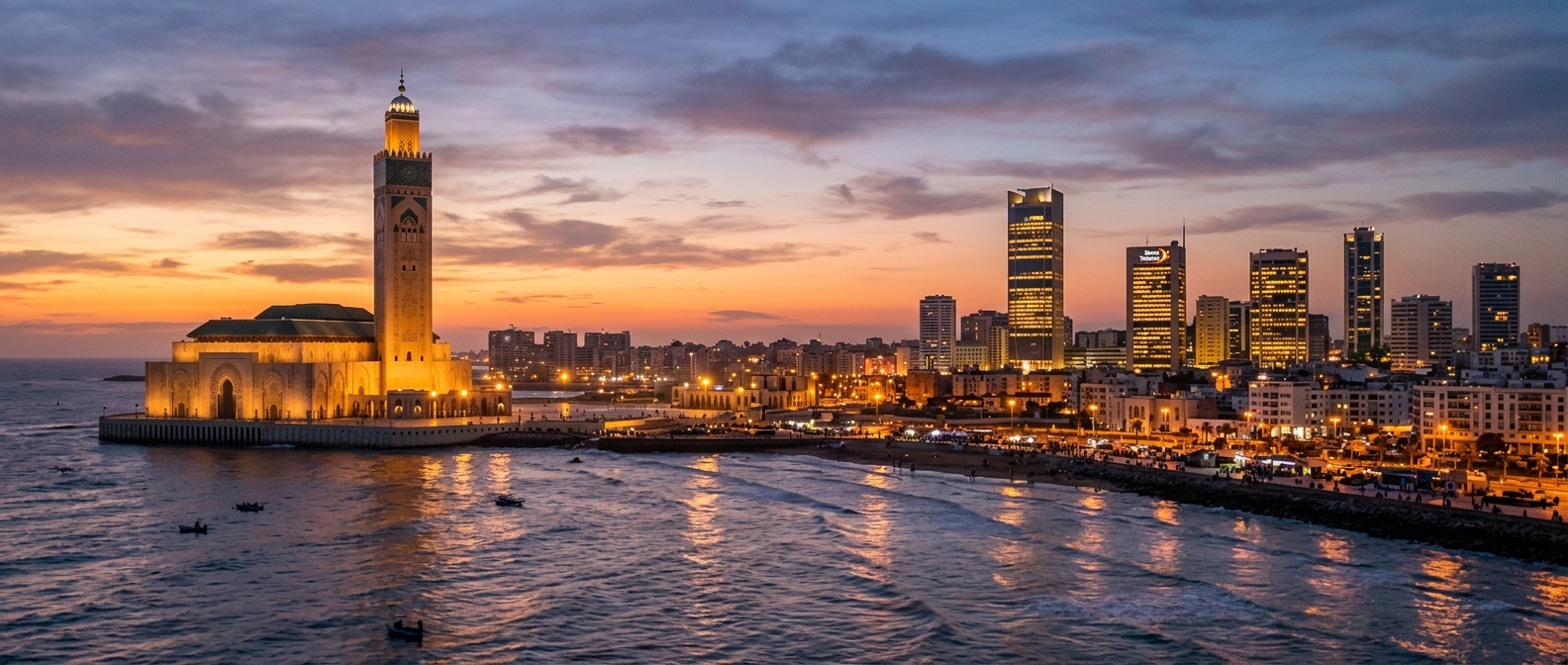
Morocco's First World Cup After Five Failed Bids
In December 2024, FIFA officially confirmed the joint Spain-Portugal-Morocco bid as host of the 2030 World Cup. For Morocco, this is a historic milestone: the country had bid five times before (1994, 1998, 2006, 2010 and 2026) and lost each time, often by narrow margins.
The 2030 edition is also symbolic because it marks 100 years since the first World Cup in Uruguay in 1930. To honour that, the opening three matches will be staged in South America (Uruguay, Argentina and Paraguay) before the tournament moves to the three European and African co-hosts.
Host Cities and Stadiums in Morocco
Morocco is expected to stage matches in six cities: Casablanca, Rabat, Marrakech, Tangier, Agadir and Fez. The centrepiece is the new Grand Stade Hassan II near Casablanca (in Benslimane), designed to hold around 115,000 spectators, which Morocco hopes will host the final.
Existing venues such as the Stade Ibn Batouta in Tangier, the Grand Stade de Marrakech and stadiums in Rabat, Agadir and Fez are being renovated and expanded to meet FIFA standards. Many are also being upgraded for the 2025 Africa Cup of Nations, which Morocco is hosting as a warm-up event.
Infrastructure: Trains, Airports and Roads
Beyond stadiums, the bigger transformation is in transport. Morocco already runs Africa's first high-speed train, Al Boraq, between Tangier and Casablanca, and is extending the line south toward Marrakech and Agadir to connect the host cities.
Airports in Casablanca, Marrakech, Tangier and other cities are being modernised and expanded to handle a surge in international arrivals, and road and tramway networks in major cities are being upgraded. These projects are tied to Morocco's wider goal of attracting 26 million tourists by 2030.
Economic and Tourism Impact
Hosting the World Cup is a powerful brand and economic accelerator. Morocco expects the event to create jobs in construction, hospitality and services, and to give long-term visibility to lesser-known cities and regions on the global stage.
The momentum builds on the Atlas Lions' run to the semi-finals at the 2022 World Cup in Qatar, the first African and Arab team to reach that stage. That achievement turned global attention toward Morocco and strengthened the case for hosting in 2030.
What It Means for Visitors
For travellers, the years leading up to 2030 mean better trains, upgraded airports, more hotel capacity and improved tourist services across the country. Visiting before the crowds arrive can offer a quieter, more affordable experience.
Football fans planning to attend in 2030 should expect a unique tournament spread across two continents, with Morocco offering a blend of stadium atmosphere, historic medinas, desert excursions and Atlantic and Mediterranean coastlines all within reach.
| City | Stadium | Notes |
|---|---|---|
| Casablanca | Grand Stade Hassan II (Benslimane) | New ~115,000-seat venue, potential final |
| Rabat | Prince Moulay Abdellah Stadium | Capital city, being rebuilt |
| Marrakech | Grand Stade de Marrakech | Major tourist hub |
| Tangier | Stade Ibn Batouta | Gateway to Europe via ferry |
| Agadir | Stade Adrar | Atlantic coast resort city |
| Fez | Complexe Sportif de Fès | Historic imperial city |
Likely Morocco host cities and main stadiums for 2030
FAQ
Who is hosting the 2030 World Cup with Morocco?
Morocco co-hosts the 2030 FIFA World Cup with Spain and Portugal. Three special opening matches are also being played in Uruguay, Argentina and Paraguay to celebrate the tournament's 100th anniversary.
Will the 2030 World Cup final be held in Morocco?
The host of the final has not been formally confirmed, but Morocco's new Grand Stade Hassan II near Casablanca, with around 115,000 seats, is widely seen as a strong candidate. Spain's stadiums are also in contention.
Is this Morocco's first time hosting the World Cup?
Yes. Morocco bid unsuccessfully five times before (1994, 1998, 2006, 2010 and 2026). The 2030 tournament will be its first time as a host nation.
Which Moroccan cities will host matches?
Casablanca, Rabat, Marrakech, Tangier, Agadir and Fez are the expected host cities, with venues being renovated and built to FIFA standards.
Loved this? Useful? React below — your feedback helps other readers.