Buying Moroccan Tiles (Zellige)
What Is Zellige?
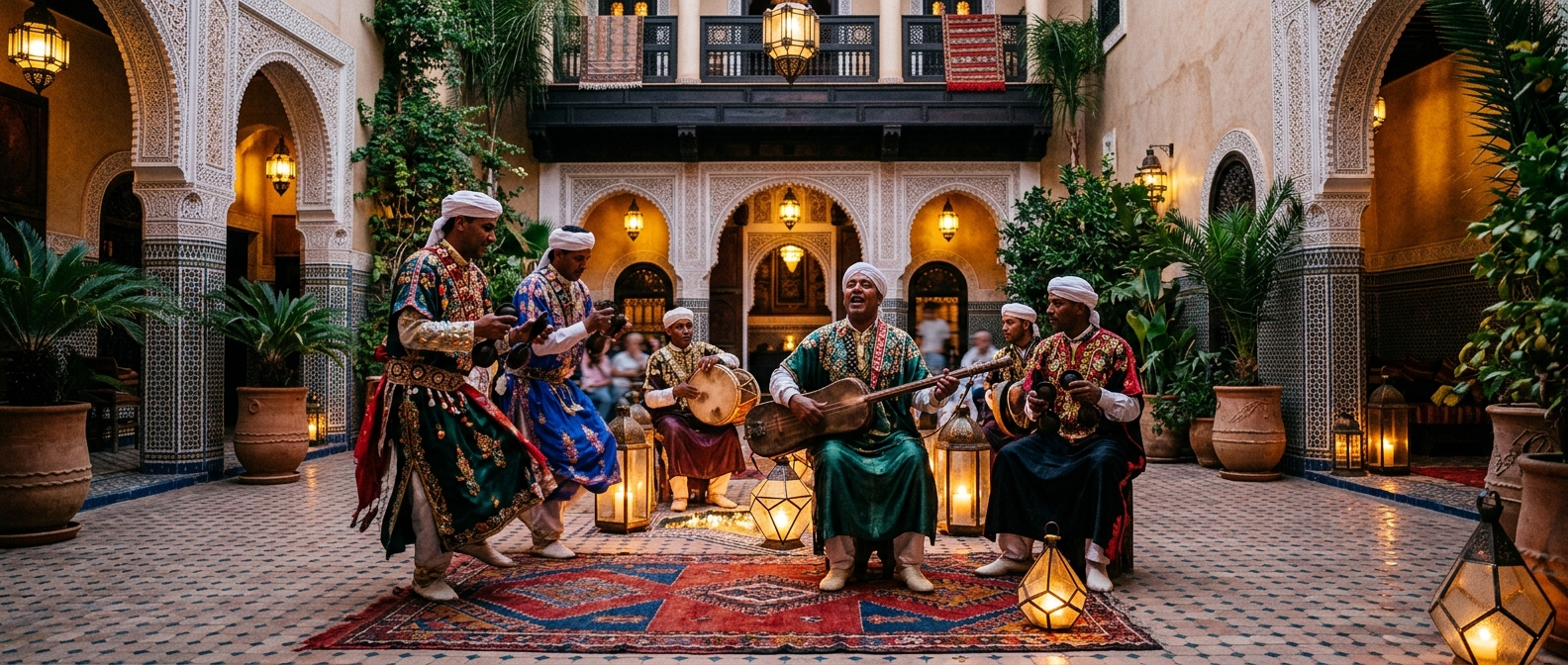
Zellige (also spelled zellij) is the art of fitting hand-cut, enamelled terracotta tiles into intricate geometric mosaics. It has decorated Moroccan palaces, mosques, fountains and riads for centuries, with Fez considered the historic centre of the craft.
The hallmark of real zellige is its slightly uneven, hand-made character: glazes pool and vary, edges are imperfect, and the colours have a depth that mass-produced tiles cannot match.
How Zellige Is Made
Artisans start with natural clay, often from the Fez region, which is shaped into squares, glazed and kiln-fired. A master craftsman then chisels each glazed tile into precise shapes by hand using a sharp hammer.
These small pieces, called furmah, are assembled face-down into patterns and set in mortar. The process is highly skilled and labour-intensive, which is why true zellige commands a premium.
Real Zellige vs. Printed Tiles
Genuine zellige has a hand-cut edge, a slightly glossy and uneven glaze, and natural colour variation across a batch. Run your fingers over the surface to feel the irregular texture.
Printed or screen-decorated tiles are perfectly uniform, flat and cheaper. They imitate the look but lack the depth, durability and tactile quality of fired, hand-cut zellige.
Where to Buy
Fez and Marrakech have workshops and showrooms specialising in zellige, and some tile cooperatives let you watch artisans cut tiles. Many will produce custom panels, tabletops, fountains or sample boards.
For small souvenirs, look for ready-made trivets, coasters or single decorative tiles. For renovation projects, work with an exporter who can match quantities and pack tiles safely.
Ordering and Shipping
Tiles are heavy and fragile, so confirm packing, breakage allowance and shipping costs before buying in bulk. Reputable suppliers crate tiles and include spares.
Specify the exact finish, colour and dimensions, and ask for a physical sample first, as glaze colours can look different in person than in photos or online listings.
Using Zellige at Home
Zellige works for backsplashes, floors, fountains, tabletops and feature walls. Its slight irregularity means installers should leave thin, consistent grout lines and seal the tiles appropriately.
Because each batch varies, order a little extra and mix tiles from different boxes during installation so colour variation is evenly distributed.
| Feature | Authentic zellige | Printed tile |
|---|---|---|
| Production | Hand-cut and kiln-fired | Machine-printed pattern |
| Surface | Uneven, glossy, varied | Flat and uniform |
| Edges | Irregular hand-cut | Perfectly straight |
| Colour | Natural variation | Identical across tiles |
| Price | Premium | Budget |
Real zellige vs. printed tiles
FAQ
Why is zellige more expensive than regular tile?
Each tile is hand-cut and kiln-fired by skilled artisans, and the mosaics are assembled by hand, making it far more labour-intensive than printed tile.
Can I ship zellige tiles abroad?
Yes, but tiles are heavy and breakable, so use an exporter who crates them properly and includes spare tiles for breakage.
Is the colour variation a defect?
No, subtle colour and surface variation is a sign of authentic handmade zellige and part of its appeal.
Loved this? Useful? React below — your feedback helps other readers.