Moroccan Textiles & Fabrics Guide
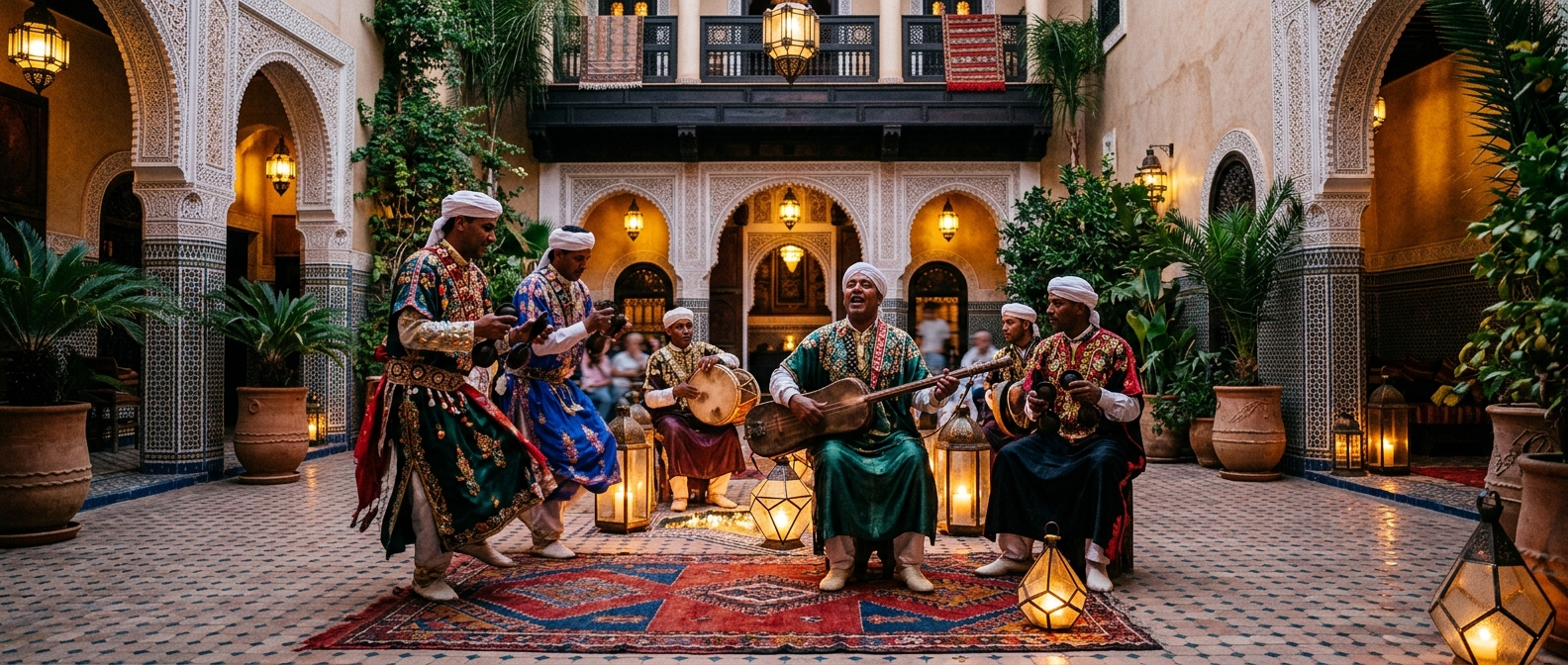
The Richness of Moroccan Textiles
Textiles are among Morocco's most celebrated crafts, woven and embroidered by hand using techniques rooted in Berber, Arab and Andalusian traditions. From mountain villages to imperial cities, each region has signature patterns, colors and materials.
Whether you want a statement rug, a soft scarf or embroidered linens, Moroccan textiles offer striking design and genuine handwork. Understanding the main types helps you shop with confidence and recognize quality and authenticity.
Wool Rugs and Carpets
Rugs are the flagship Moroccan textile. The cream, geometric beni ourain rugs from the Middle Atlas are world-famous, while azilal rugs are colorful and abstract, and flat-woven kilims are lighter and reversible. All the best are hand-knotted or handwoven from sheep's wool.
Quality depends on knot density, wool grade and whether the piece is genuinely handmade. Flip a rug over to see hand-tied knots and natural irregularities; a printed or glued backing signals a machine-made imitation. Rugs are the highest-value textile purchase.
Sabra: Cactus Silk and Scarves
Sabra, often called cactus silk, produces lustrous, colorful scarves, throws and cushion covers. Traditionally derived from the agave plant, much modern sabra is actually rayon or viscose, which is still attractive but worth knowing when judging price.
Genuine plant-fiber sabra has a slightly coarser, natural sheen, while synthetic versions are smoother and shinier. These textiles are light, vivid and pack easily, making them popular affordable gifts; just bargain accordingly and do not overpay for synthetics.
Blankets, Throws and Pom-Poms
Handwoven wool blankets, especially the cozy wool throws of the Atlas Mountains and Chefchaouen, are prized for warmth and texture. The pom-pom blanket, a wedding throw fringed with playful tufts, has become a favorite home accent.
Look for dense, even weaving and genuine wool, which is warm and resilient compared with thin acrylic. These pieces fold compactly and travel well, and a quality wool blanket is both practical and a lasting reminder of the trip.
Embroidery and Fine Fabrics
Cities like Fez, Rabat and Tetouan are renowned for delicate embroidery on tablecloths, cushion covers and garments, with distinctive regional stitches and motifs. Fine silk and brocade are also used in traditional kaftans and decorative pieces.
Hand embroidery shows neat, consistent stitches on both sides and small natural variations, whereas machine work is perfectly uniform and often printed to imitate stitching. Quality embroidered linens make elegant, packable gifts.
Where to Buy and Pack
Fez and Marrakech offer the broadest textile selections, Chefchaouen excels in wool blankets, and mountain village cooperatives sell rugs at the source. Compare sellers, bargain in the souks, and consider cooperatives for traceable quality.
Most textiles fold flat and pack easily in luggage, and a rug can often be vacuum-rolled by the shop. For large carpets, weigh carrying versus shipping, and keep receipts for high-value pieces in case of customs questions at home.
| Textile | Material | Note |
|---|---|---|
| Beni ourain rug | Wool, hand-knotted | Check knotted back |
| Sabra scarf | Cactus silk or rayon | Verify fiber, price accordingly |
| Pom-pom blanket | Wool | Dense even weave |
| Embroidered linen | Cotton/silk thread | Hand stitches both sides |
Moroccan textile types at a glance
FAQ
What textiles is Morocco famous for?
Morocco is famous for hand-knotted wool rugs like beni ourain and azilal, cactus-silk (sabra) scarves and throws, handwoven wool blankets including pom-pom throws, and fine embroidery from cities such as Fez and Rabat.
Is Moroccan cactus silk real silk?
Traditional sabra comes from the agave plant, not silkworms, so it is not true silk. Much modern 'cactus silk' is actually rayon or viscose. It can still be attractive, but verify the fiber and price accordingly.
How do I check the quality of a Moroccan rug?
Flip it over to confirm hand-tied knots and natural irregularities rather than a printed backing. Check the wool feels warm and resilient, and look at knot density: tighter knotting means finer, more durable and valuable work.
Loved this? Useful? React below — your feedback helps other readers.