Moroccan Superstitions: Evil Eye & Baraka
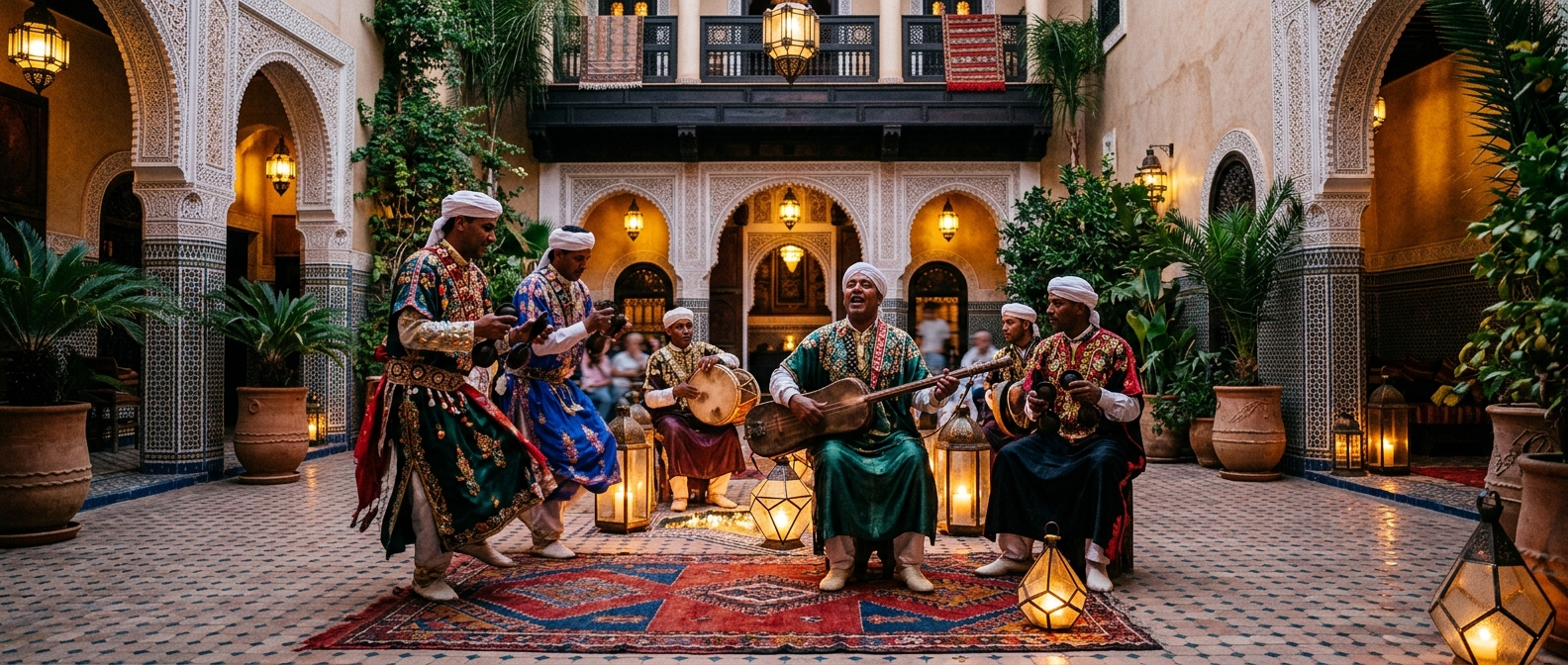
The Evil Eye in Everyday Life
The belief in the evil eye, known as l'ain (the eye) in Morocco, is one of the most pervasive folk beliefs in the country and across the region. The idea is that envy or excessive admiration, even unintentional, can bring bad luck, illness or misfortune to the person or thing admired.
This belief shapes everyday behavior, from how people speak about good fortune to how they protect children and possessions. Many Moroccans avoid boasting and may downplay successes to avoid attracting envious glances.
Baraka, the Protective Blessing
Counterbalancing the evil eye is baraka, a concept of spiritual blessing, grace or beneficial power that flows from God. Baraka can reside in people such as saints, in places like shrines, in objects and even in actions like hospitality.
Seeking baraka and avoiding the evil eye are two sides of the same worldview, in which unseen forces influence daily fortune. Sharing food, giving to the poor and visiting holy sites are all ways of attracting blessing.
Protective Symbols and Charms
The most iconic protective symbol is the khamsa, the Hand of Fatima, a five-fingered amulet displayed on doors, jewelry and walls to deflect the evil eye. The number five itself is considered protective, and the phrase khamsa is sometimes invoked against envy.
The color blue, especially the famous blue of towns like Chefchaouen, is believed to repel evil and insects alike. Other charms include small Quranic verses worn in pouches, beads and the eye motif that stares envy back at its source.
Words and Gestures
Language is itself a defense. Saying mashallah (what God has willed) when admiring a baby, a home or good fortune is essential, as it acknowledges that blessing comes from God and neutralizes any envious intent.
Similarly, bismillah (in the name of God) is spoken before eating, traveling and many daily acts for protection. Forgetting to say mashallah while praising something may prompt a worried relative to quickly utter it on your behalf.
Everyday Superstitions
Beyond the evil eye, smaller superstitions abound. Spilling salt, opening scissors without cutting, sweeping at night or handing certain objects directly to another person can be considered unlucky in some households.
Salt and burning herbs like harmel (Syrian rue) are used to cleanse spaces of negative energy or jealousy. Dreams, the days of the week and certain numbers also carry meaning in folk interpretation, passed down largely through family elders.
Belief and Modern Morocco
These beliefs coexist with mainstream Islam and modern life, ranging from deep conviction to lighthearted habit depending on the person and family. Many urban, educated Moroccans treat them more as cultural reflex than literal fear.
For visitors, understanding these customs adds depth to interactions; saying mashallah when complimenting a child, for instance, is genuinely appreciated. Respecting the symbols and phrases is an easy way to connect with local culture.
| Symbol or act | Purpose |
|---|---|
| Khamsa (Hand of Fatima) | Wards off the evil eye |
| Saying mashallah | Neutralizes envy when admiring |
| Color blue | Repels evil and bad luck |
| Salt and harmel | Cleanses negative energy |
| Quranic verse pouches | Personal protection |
| Seeking baraka | Attracts divine blessing |
Common Moroccan protective beliefs
FAQ
What is the evil eye in Moroccan culture?
The evil eye, or l'ain, is the belief that envy or excessive admiration can bring misfortune, illness or bad luck. Moroccans use charms and phrases to protect against it.
What is the Hand of Fatima?
The khamsa, or Hand of Fatima, is a five-fingered amulet displayed on doors, jewelry and walls to deflect the evil eye. The number five is itself considered protective.
Why do Moroccans say mashallah?
Saying mashallah when admiring a person or possession acknowledges that blessing comes from God and is believed to neutralize any envious intent behind the praise.
What is baraka?
Baraka is a spiritual blessing or beneficial power believed to flow from God, residing in saints, holy places, objects and good deeds like hospitality and charity.
Loved this? Useful? React below — your feedback helps other readers.