Morocco's Startup Ecosystem 2026: Top Companies
How Morocco Built a Startup Scene
Morocco's tech ecosystem has grown from a handful of web shops a decade ago into a genuine regional player. Strong mobile penetration, a young population, proximity to Europe and improving infrastructure created fertile ground, and the government's broader digital strategy added momentum.
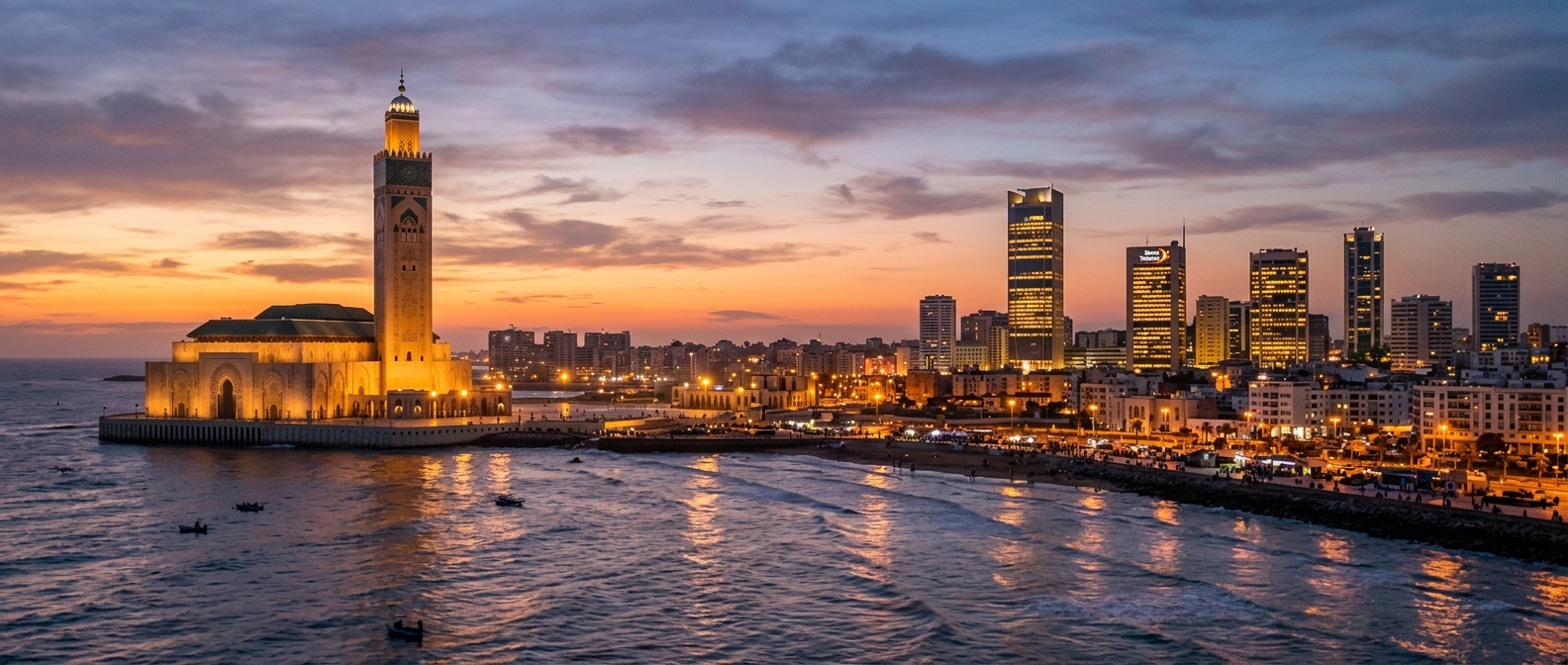
Casablanca anchors the scene as the financial and commercial capital, with Rabat, Marrakech and Tangier playing supporting roles. The ecosystem is still smaller than those of Egypt or the Gulf, but it is among the fastest improving in Africa.
Fintech Leads the Way
Fintech is the engine of Moroccan startups, addressing a large population that has historically been underbanked. Companies building digital payments, lending, wealth management and B2B financial services have attracted the most attention and capital.
This wave matters because solving payments and credit unlocks growth for every other sector, from e-commerce to logistics. Regional fintech players with Moroccan founders or operations have raised significant rounds and expanded across the Middle East and Africa.
E-commerce, Retail Tech and Logistics
Startups digitising the traditional corner-shop retail network and the last mile of delivery have found strong product-market fit. Chari, which digitises supply for small neighbourhood shops, became one of the most cited Moroccan success stories and a model for the sector.
Logistics and delivery startups solve real bottlenecks in a market where traditional distribution is fragmented. Their growth tracks the rise of online shopping among Morocco's increasingly connected consumers.
Mobility, Greentech and Industry
Mobility is a rising theme, amplified by Morocco's national push into electric vehicles and renewable energy. The arrival of homegrown EV maker Neo Motors and major automotive and battery investments has created opportunities for adjacent software and services startups.
Greentech and agritech also attract founders, reflecting Morocco's solar potential and the importance of agriculture. These sectors align startup activity with the country's strategic industrial priorities.
Accelerators, Funds and Support
A support layer of accelerators, incubators and funds has emerged, including university-linked programs, private accelerators and government-backed initiatives. These provide early funding, mentorship and access to networks that founders previously lacked.
International investors increasingly include Morocco in their North Africa thesis, and pan-African funds now scout Casablanca regularly. Access to follow-on capital remains a challenge compared with larger markets, but the gap is narrowing.
Challenges and the Road Ahead
The ecosystem still faces hurdles: limited late-stage capital, talent retention as engineers are recruited abroad, and regulatory friction. Many founders structure entities abroad to ease fundraising, which can pull activity out of the local market.
Even so, the trajectory is clearly upward. With a young digital-native population, strong diaspora ties, and government focus on tech and industry, Morocco is positioned to remain one of Africa's most promising startup destinations through the rest of the decade.
| Sector | Why It Matters | Example Theme |
|---|---|---|
| Fintech | Large underbanked market | Payments, lending, investing |
| Retail tech | Digitising corner shops | Supply for neighbourhood stores |
| Logistics | Fragmented distribution | Last-mile delivery |
| Mobility & EV | National industrial push | EV services & software |
| Greentech | Solar & renewable potential | Energy and agritech |
Key sectors in Morocco's startup ecosystem, 2026
FAQ
Where is Morocco's main startup hub?
Casablanca is the primary hub as the financial and commercial capital, with Rabat, Marrakech and Tangier playing supporting roles. Most accelerators, investors and major startups concentrate around Casablanca.
What is the strongest startup sector in Morocco?
Fintech leads, driven by a large underbanked population and the need for digital payments and credit. E-commerce, logistics, mobility and greentech follow as fast-growing areas.
Can foreign investors back Moroccan startups?
Yes. International and pan-African funds increasingly include Morocco in their strategy, and many founders structure entities abroad to ease cross-border fundraising while operating in Morocco.
What holds back Morocco's startup ecosystem?
The main challenges are limited late-stage capital, talent moving abroad, and regulatory friction. These are improving as investor interest grows and government tech focus strengthens.
Loved this? Useful? React below — your feedback helps other readers.