Moroccan Soups Beyond Harira
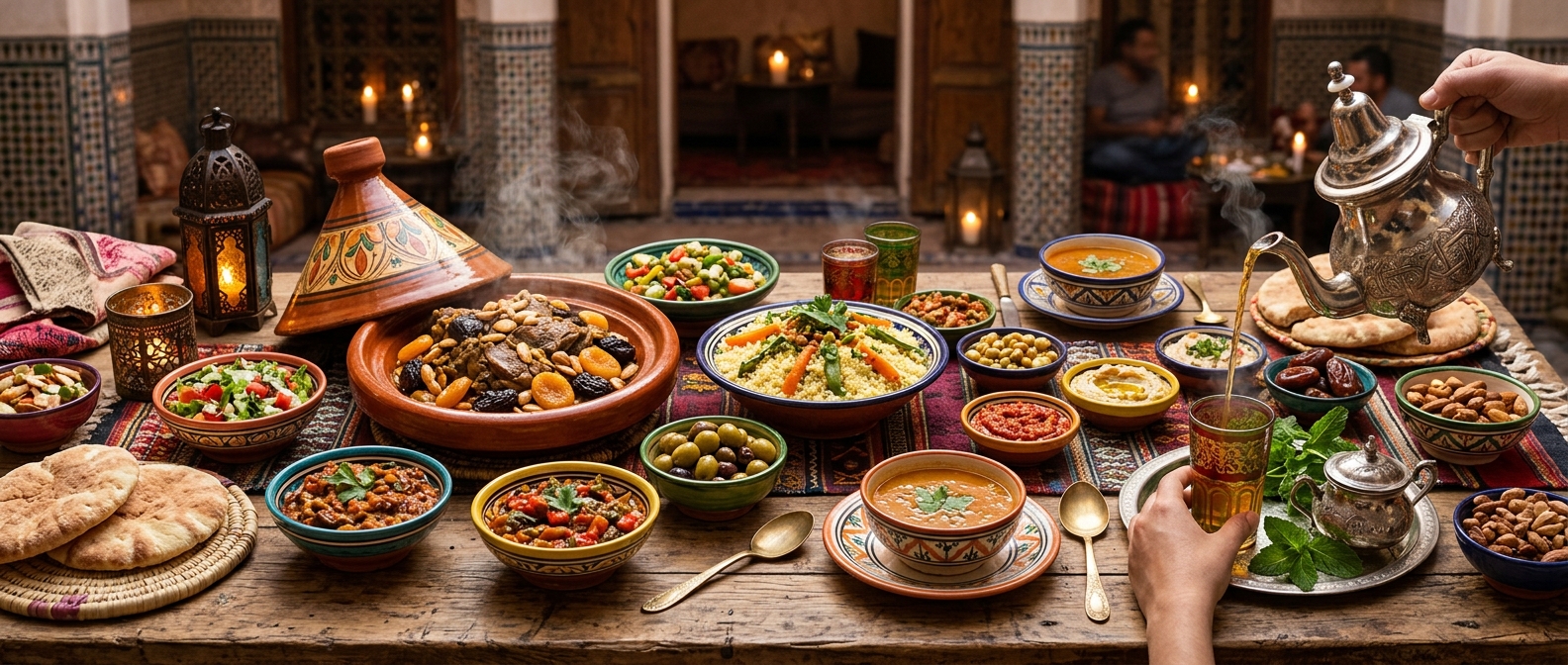
More Than Just Harira
Harira, the tomato, lentil and chickpea soup, is rightly famous as the soup of Ramadan and a national icon. But Moroccan soup culture is far broader, with regional and seasonal bowls that deserve attention.
Soups in Morocco are comfort, nourishment and often the star of the meal rather than a side. Many are vegetarian, cheap and deeply satisfying, reflecting a tradition of turning humble legumes and grains into rich, warming dishes.
Bissara: Creamy Fava Bean Soup
Bissara is the great northern soup, a thick puree of dried fava beans (or split peas) cooked with garlic and olive oil, then topped with cumin, paprika and a swirl of olive oil. It is hearty enough to be a full meal.
Sold hot from street carts on cold mornings in cities like Fez, Chefchaouen and Tetouan, bissara is the working person's breakfast. Its creamy texture and earthy flavor make it one of Morocco's most beloved budget dishes.
Chorba and Lighter Soups
Chorba is a lighter, brothier soup than harira, often made with vegetables, vermicelli or fine noodles, and sometimes a little meat. It is common across the Maghreb and offers a gentler alternative to the dense harira.
Many homes prepare simple lentil soups (adas), tomato soups and vegetable broths, especially in winter. These everyday soups are seasoned with cumin, ginger and cilantro and rounded out with bread.
Babbouche: Spiced Snail Broth
One of Morocco's most distinctive soups is babbouche (or ghlal), a broth of small snails simmered in a fragrant blend of up to fifteen spices and herbs, including thyme, anise, licorice root and gum arabic.
Sold at street stalls and night markets, especially in Marrakech and Casablanca, it is eaten by plucking the snails out with a pin and drinking the medicinal-tasting broth. Locals prize it as a warming, digestive and reputedly health-giving tonic.
Soups of Ramadan
During Ramadan, soup takes center stage at iftar, the meal that breaks the daily fast. Harira is the headliner, ladled out alongside dates, hard-boiled eggs, chebakia and sweet sticky pastries.
The combination of a warm, nourishing soup with a sweet date is designed to gently restore the body after fasting. Different regions have their own iftar soups, but the ritual of breaking the fast with soup is universal across Morocco.
Grain and Regional Soups
Beyond legumes, Morocco has grain-based soups such as barley soups and the Berber tagoula porridges of the south, which blur the line between soup and cereal. These rustic dishes sustain rural and mountain communities.
Regional touches abound: a soup in the Souss might be finished with argan oil, while a northern bowl leans on olive oil and herbs. Together they reveal how Moroccan cooks coax warmth and richness out of the simplest pantry staples.
| Soup | Base | When eaten |
|---|---|---|
| Harira | Tomato, lentils, chickpeas | Ramadan, winter |
| Bissara | Fava beans or split peas | Winter breakfast |
| Chorba | Vegetables and noodles | Everyday meals |
| Babbouche | Snails in spiced broth | Street stalls, night markets |
| Tagoula | Barley or corn flour | Rural south |
Moroccan soups beyond harira
FAQ
What soup do Moroccans eat besides harira?
Besides harira, Moroccans commonly eat bissara (fava bean soup), chorba (a lighter vegetable-noodle soup), babbouche (spiced snail broth), and various lentil, barley and grain soups depending on region and season.
What is babbouche?
Babbouche is a Moroccan street-food soup of small snails simmered in a broth of many spices and herbs like thyme, anise and licorice. It is eaten by picking out the snails and drinking the warming, medicinal-tasting broth.
Why is soup important during Ramadan in Morocco?
Soup, especially harira, is eaten at iftar to gently break the daily fast. Paired with dates and sweets, a warm soup restores energy and hydration after a day without food, making it the heart of the Ramadan evening meal.
Loved this? Useful? React below — your feedback helps other readers.