Moroccan Pottery & Ceramics (Safi, Fez)
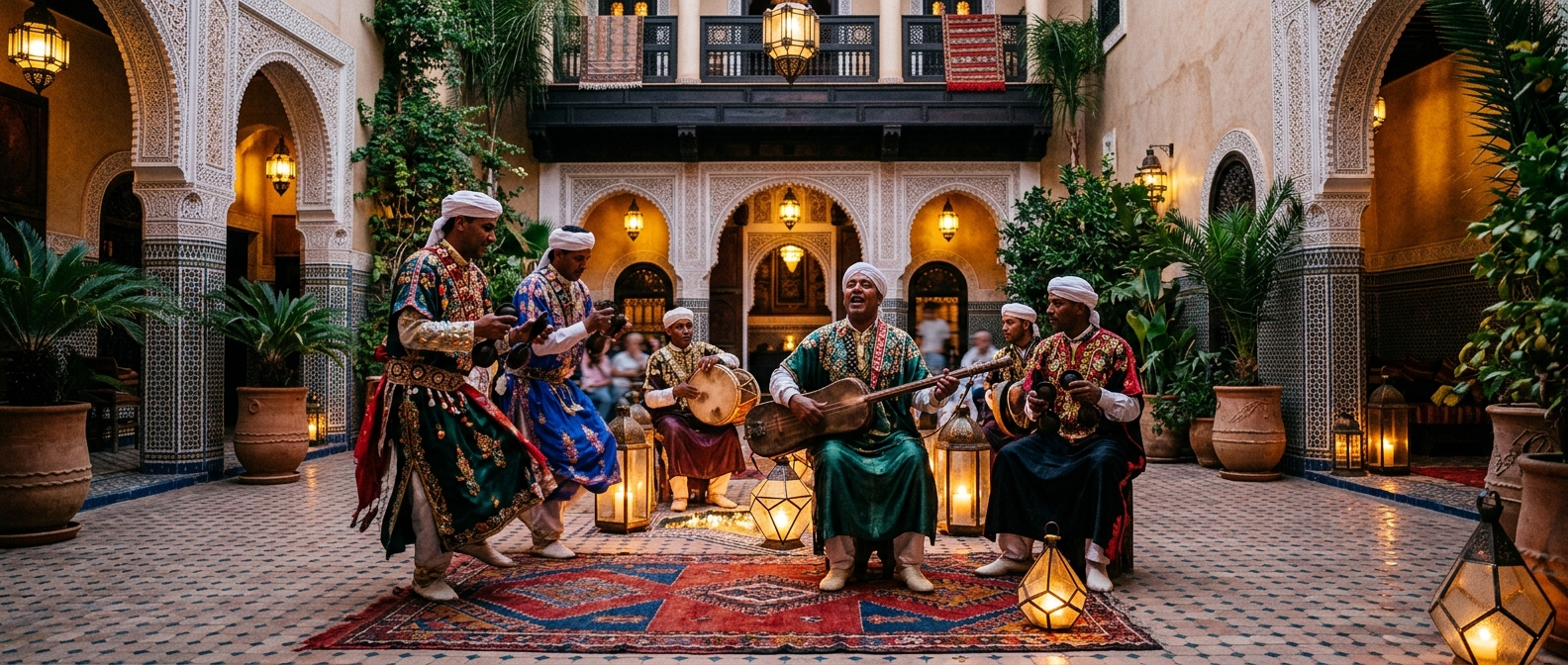
Morocco's Ceramic Heritage
Pottery (fakhar) is one of Morocco's oldest crafts, shaped by Amazigh, Arab-Andalusian and Islamic decorative traditions. Designs lean heavily on geometric and floral arabesque patterns rather than figures, reflecting Islamic art, and each region developed its own signature colours and motifs.
From the cooking tagine in a village kitchen to elaborate zellige fountains in a palace, ceramics run through everyday and ceremonial life. Hand craftsmanship is the heart of it, with potters throwing, drying, glazing and painting each piece individually.
Fez Blue and the Pottery of Fez
Fez is celebrated for its distinctive cobalt blue painted on a white ground, often called 'Fes blue', and for refined, finely detailed patterns. The city's pottery quarter and zellige workshops are major attractions, where you can see the full process from clay to kiln.
Fez pieces tend to be elegant and intricate, including plates, bowls, vases and decorative tiles. The crispness and density of the hand-painted detail is a hallmark of good Fez work.
Safi: Capital of Colour
Safi, on the Atlantic coast, is considered Morocco's pottery capital and is known for bold, multicoloured (polychrome) glazes, with potters' hills and kilns visible across the city. Safi designs often feel more vibrant and varied than Fez, mixing greens, yellows, blues and browns.
Both cities produce functional and decorative ware, but Safi is especially associated with lively, colourful tableware and ornamental pieces. Many ateliers welcome visitors to watch the wheel-throwing and painting.
Tagines, Tableware and Zellige
The tagine, a conical-lidded earthenware dish, is the most famous Moroccan ceramic. Be careful to distinguish cooking tagines (plain, glazed for the base, made to withstand heat) from decorative painted tagines, which are for serving or display only and can crack on a flame.
Zellige is the art of hand-cut glazed tile mosaic, fitted into geometric patterns for floors, walls, fountains and tabletops. It is labour-intensive, with each small tile chipped to shape by hand, which is why authentic zellige work is prized and costly.
Spotting Quality and Buying Tips
Hand-painted pieces show tiny brushstroke variations and slight asymmetry, while machine-printed copies look perfectly uniform and often have a too-clean, transferred pattern. Turn a piece over to check the base and look for an even glaze without cracks or chips, and tap it gently, as a clear ring suggests it is well fired.
Decide whether you want decorative or food-safe items, and ask specifically, since some glazes and decorative paints are not intended for food contact. For cooking tagines, choose a plain unpainted clay one and season it before first use. As ever, bargaining is expected, and fragile ceramics need careful packing for travel.
| Feature | Fez | Safi |
|---|---|---|
| Signature colour | Cobalt 'Fes blue' on white | Bold polychrome |
| Style | Fine, intricate detail | Vibrant, varied |
| Known for | Refined tableware, zellige | Colourful pottery hills |
| Typical pieces | Plates, vases, tiles | Tagines, bowls, decor |
Fez vs Safi pottery
FAQ
Can I cook in a decorative painted tagine?
No. Decorative painted tagines are for serving or display and can crack on a flame. For cooking, buy a plain unpainted clay tagine and season it before first use.
What is 'Fes blue'?
It is the distinctive deep cobalt blue painted on a white background that Fez pottery is famous for, usually in fine, intricate geometric and floral patterns.
What is zellige?
Zellige is Moroccan mosaic tilework made from small hand-cut glazed tiles arranged into geometric patterns. It is highly labour-intensive, which is why authentic zellige is valued and expensive.
Loved this? Useful? React below — your feedback helps other readers.