Moroccan Players in France's Ligue 1
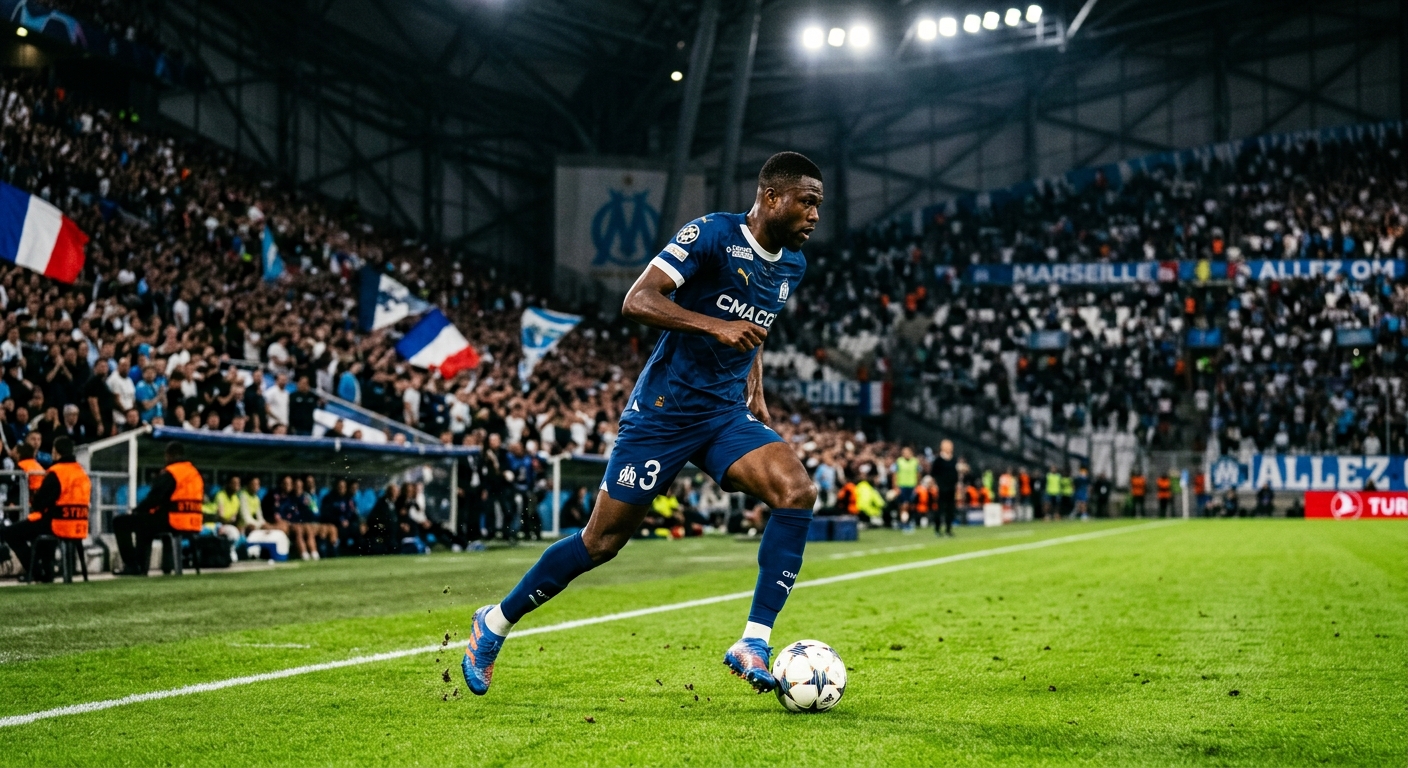
The Deepest Connection in World Football
Of all the major European leagues, none has a deeper connection to Moroccan football than France's Ligue 1. The historical ties between France and Morocco, the enormous Moroccan diaspora in France, and the strength of French youth development have combined to make Ligue 1 the single most important league in the story of modern Moroccan football.
A remarkable proportion of Morocco's national team, including several stars of the 2022 World Cup run, were born in France, developed in French academies, or have spent significant parts of their careers in Ligue 1. The relationship is so deep that it shapes the very identity of the modern Moroccan national team.
This guide examines the Moroccan players who have made their mark in Ligue 1, the diaspora dynamics that underpin the connection, and the way French football has served as both a development ground and a showcase for Moroccan talent. Ligue 1's role in Moroccan football cannot be overstated.
Achraf Hakimi at Paris Saint-Germain
The flagship Moroccan presence in Ligue 1 is Achraf Hakimi at Paris Saint-Germain. One of the finest attacking full-backs in world football, Hakimi joined PSG in 2021 and has been a key figure in the club's relentless pursuit of domestic and European glory, playing alongside some of the biggest names in the sport.
Hakimi's blend of explosive pace, attacking quality and defensive ability makes him an ideal modern full-back, and at PSG he has operated at the very highest level of club football. His performances for the French champions have kept him in the global spotlight and reinforced his status as a world-class player.
For Morocco, having a player of Hakimi's calibre at one of Europe's biggest clubs is invaluable. His success in Ligue 1 and the Champions League with PSG provides the national team with a leader who competes at the elite level week in and week out, and who carries that experience into the international arena.
The Diaspora Heart of the National Team
Morocco's national team is, to a significant degree, built on its French-based and French-developed diaspora. Players born or raised in France, or who have spent formative years in French football, form a crucial part of the squad that achieved the historic 2022 World Cup run. This diaspora connection runs through the heart of the team.
The phenomenon reflects broader patterns of migration and the strength of French youth development. France's academies are among the best in the world, and players of Moroccan heritage who pass through them often develop into elite footballers. Morocco's federation has been highly effective at persuading these players to represent the country of their roots.
This dynamic has been transformative. It gives Morocco access to a talent pool far larger than its domestic game alone could produce, and it has been central to the national team's rise. Ligue 1, as the league most closely tied to this diaspora, is therefore central to Morocco's footballing success.
Sofiane Boufal and Creative Flair
Sofiane Boufal, born in France, is one of the most technically gifted players to have represented Morocco, and his career has been closely linked to Ligue 1. A skilful, dribbling attacking player, Boufal has delighted French audiences with his close control and ability to beat defenders in tight spaces.
Boufal's flair was on display during Morocco's 2022 World Cup run, and one of the tournament's most cherished images was of him dancing with his mother on the pitch after a victory. His creativity and individual skill embody the technical tradition of Moroccan football, honed in the French system.
Players like Boufal demonstrate the attacking richness that the French connection brings to Morocco. His ability to produce moments of magic from nothing makes him a valuable asset, and his career in Ligue 1 has provided the platform for his talents to develop and shine.
Azzedine Ounahi's Breakout
Azzedine Ounahi was one of the breakout stars of the 2022 World Cup, his elegant, energetic midfield performances catching the eye of audiences and coaches worldwide. His displays in Qatar earned glowing praise and accelerated his career, leading to a move within French football to Marseille.
Ounahi's style combines technical quality with relentless running and an ability to carry the ball through midfield. His World Cup form was so impressive that it drew effusive admiration from leading figures in the game, marking him as one of the players whose stock rose most dramatically during the tournament.
His connection to Ligue 1, including his time at Angers before the World Cup and subsequent moves, reflects the importance of French football in Moroccan player development. Ounahi's journey from relative obscurity to global recognition is a story rooted in the French league system.
En-Nesyri, Saiss and the Wider Squad
The French connection extends across much of Morocco's squad. Youssef En-Nesyri, scorer of the historic header against Portugal, has spent time in various leagues including Ligue 1 connections through his career path, and many Moroccan internationals have passed through French clubs at some stage.
Romain Saiss, the experienced centre-back and captain who anchored Morocco's defence in 2022, has also had ties to French football across his career. The presence of so many players with French connections gives the national team a shared footballing language and familiarity that contributes to its cohesion.
This breadth of French involvement underscores how central Ligue 1 and French football are to Morocco. It is not merely one or two star players; it is a substantial portion of the squad whose development and careers are intertwined with the French game, creating a deep and durable bond.
Why France Produces So Much Moroccan Talent
The reasons for France's dominance in producing Moroccan talent are rooted in history and demographics. The large Moroccan community in France, established over generations, means that many talented young footballers of Moroccan heritage grow up in the French system. Combined with France's world-leading youth development, the result is a steady stream of elite players.
French academies are renowned for producing technically and athletically complete footballers, and players of Moroccan descent who pass through them benefit from this elite education. The infrastructure, coaching and competition in French youth football are among the best anywhere, giving these players an outstanding platform.
Morocco's challenge, met with great success, has been to attract these French-developed players to the national team rather than seeing them opt for France. The federation's effective recruitment, combined with the players' connection to their heritage, has tilted many of these decisions in Morocco's favour, to the enormous benefit of the Atlas Lions.
The Eligibility Tug-of-War
The strength of the French-Moroccan talent pool creates an ongoing eligibility tug-of-war, as both France and Morocco compete for the allegiance of dual-eligible players. France, as one of the world's strongest national teams, can offer its own appeal, but Morocco's rise has made it an increasingly attractive option for players of Moroccan heritage.
Morocco's 2022 World Cup success was a powerful recruitment tool in this contest. The historic run demonstrated that representing Morocco offered the chance to be part of something special and to compete at the highest level, strengthening the country's hand in persuading dual-national players to choose the Atlas Lions.
This dynamic will continue to shape both national teams. For Morocco, winning these eligibility battles is essential to maintaining the quality of its squad, and the deep ties to Ligue 1 and French football mean the tug-of-war over French-developed talent remains a defining feature of the relationship.
Ligue 1's Role in Morocco's Future
Looking ahead, Ligue 1 will remain central to Moroccan football. The diaspora connection, the strength of French youth development, and the proven pathway for Moroccan-eligible players all ensure that French football will continue to be the most important external league for the Atlas Lions.
As Morocco co-hosts the 2030 World Cup, the depth of its French-developed talent will be a key asset. The continued production of elite players through the French system, combined with Morocco's success in attracting them, positions the national team for sustained competitiveness at the highest level.
For young players of Moroccan heritage in France, the success of figures like Hakimi, Ounahi and Boufal provides inspiration and a clear template. The pathway from French academies to the Moroccan national team is well established, and Ligue 1 will keep playing its central role in shaping Morocco's footballing future.
An Unbreakable Bond
The relationship between Moroccan football and France's Ligue 1 is the deepest and most consequential of any in the sport. It is built on history, demographics and the strength of French football, and it runs through the very core of the modern Moroccan national team.
From Hakimi's elite presence at PSG to the breakout brilliance of Ounahi, the creative flair of Boufal and the broad French connections across the squad, Ligue 1 has shaped Morocco's golden generation more than any other league. The 2022 World Cup run was, in many ways, a triumph rooted in French football development.
This bond is unbreakable and will only deepen as Morocco continues to rise and as both nations move toward the 2030 World Cup. Ligue 1 is not merely a league where Moroccan players feature; it is a foundational pillar of Moroccan football's success on the world stage.
| Player | Ligue 1 club | Position | Note |
|---|---|---|---|
| Achraf Hakimi | Paris Saint-Germain | Right-back | World-class attacking full-back |
| Sofiane Boufal | Various (e.g. Angers) | Winger | Technical, dribbling flair |
| Azzedine Ounahi | Marseille / Angers | Midfielder | 2022 World Cup breakout star |
| Romain Saiss | French football ties | Centre-back | Morocco's 2022 captain |
Notable Moroccan players in Ligue 1
FAQ
Which Moroccan player stars in Ligue 1?
Achraf Hakimi, one of the world's best attacking full-backs, plays for Paris Saint-Germain.
Why is Ligue 1 so important to Moroccan football?
France's large Moroccan diaspora and world-class youth academies have developed many of Morocco's national team players.
Who was Morocco's breakout midfielder in 2022?
Azzedine Ounahi, whose elegant performances in Qatar earned widespread praise and a move to Marseille.
Was Sofiane Boufal born in France?
Yes, Boufal was born in France and developed in French football, and is known for his dribbling and creativity.
Do France and Morocco compete for the same players?
Yes, both compete for dual-eligible players developed in France, and Morocco's 2022 success has strengthened its appeal.
Loved this? Useful? React below — your feedback helps other readers.