Moroccan Players in La Liga
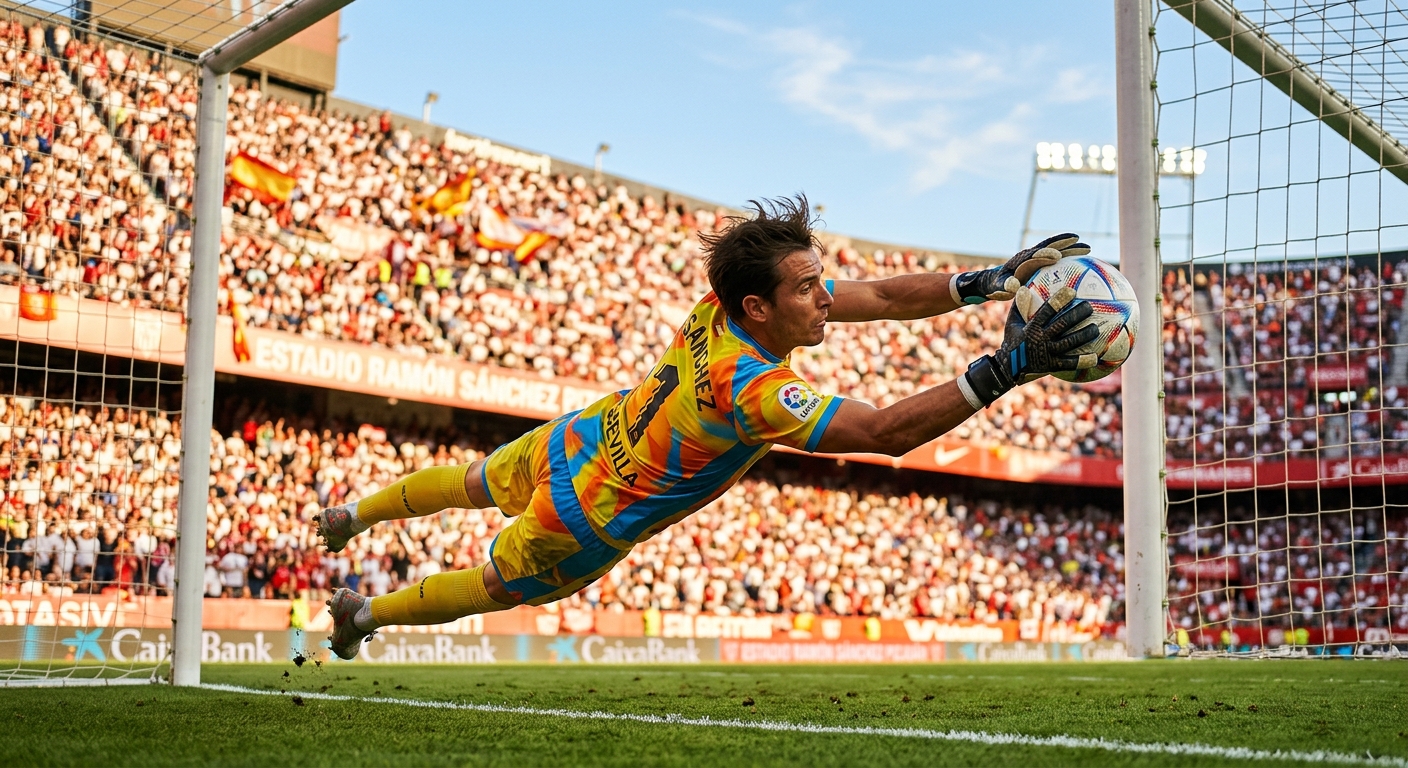
Spain: A Natural Home for Moroccan Talent
Geography, history and footballing culture have made Spain one of the most natural destinations for Moroccan players. The close proximity of the two countries, the significant Moroccan community in Spain, and the technical style of Spanish football have all contributed to a long and rich association between Moroccan footballers and La Liga.
La Liga's emphasis on technique, possession and tactical sophistication aligns well with the qualities Moroccan players tend to develop. Whether arriving from Morocco itself or rising through the academies of Spanish clubs, Moroccan and Moroccan-eligible players have found La Liga a fertile environment in which to flourish.
This guide explores the most significant Moroccan presences in Spanish football, from the goalkeeping heroics of Yassine Bounou to the academy roots of Achraf Hakimi and the dual-national stars who emerged through the Spanish system. La Liga's role in developing and showcasing Moroccan talent is among the most important in world football.
Yassine Bounou: Sevilla's Wall
No Moroccan player better embodies the connection between Morocco and La Liga than Yassine Bounou, known to fans as Bono. The goalkeeper, born in Montreal and raised in Morocco, built his reputation in Spain, becoming one of the finest goalkeepers in La Liga during his time with Sevilla.
Bounou's performances for Sevilla were instrumental in the club's success, including their Europa League triumphs, and earned him the Zamora Trophy as La Liga's best goalkeeper in the 2021-22 season. His shot-stopping, command of his area and composure under pressure made him a cornerstone of one of Spain's most consistent clubs.
It was this elite-level experience in La Liga that prepared Bounou for his heroics at the 2022 World Cup, where his penalty saves against Spain, the very country in which he had honed his craft, sent Morocco into the quarterfinals. His career is a testament to how La Liga can elevate a Moroccan player to world-class status.
Achraf Hakimi's Real Madrid Roots
Achraf Hakimi, one of the finest full-backs in world football, is a product of Spanish football through and through. Born in Madrid to Moroccan parents, Hakimi came through Real Madrid's famed La Fabrica academy and made his first-team debut for the club, marking him as one of the most exciting young defenders in the world.
Although his senior career took him to Borussia Dortmund, Inter Milan and Paris Saint-Germain, Hakimi's foundations were laid in La Liga and at Real Madrid. His blistering pace, attacking instinct and defensive ability were all nurtured in the Spanish system, before he chose to represent Morocco at international level rather than Spain.
Hakimi's story exemplifies the deep ties between Moroccan talent and Spanish football. His decision to play for Morocco, and his subsequent role in the World Cup run, including his Panenka penalty that eliminated Spain, gave his Spanish football roots a remarkable narrative twist.
The Dual-National Stars: Munir and Brahim
La Liga has produced several players of Moroccan heritage who came through Spanish football and faced choices over their international allegiance. Munir El Haddadi, who emerged at Barcelona, is a notable example. After initially appearing for Spain, he later switched his international allegiance to Morocco, adding to the national team's diaspora-rich squad.
Brahim Diaz, born in Malaga to a Moroccan father, came through Manchester City and Real Madrid and became another high-profile player to choose Morocco. A gifted attacking midfielder with dribbling ability and creativity, Brahim represented a significant addition to Morocco's options and another example of the Spanish system developing Moroccan-eligible talent.
These players highlight the complex and fascinating dynamics of international eligibility that have benefited Morocco enormously. La Liga and Spanish academies have served as development grounds for players who ultimately chose to wear Moroccan colours, strengthening the national team while showcasing the depth of Moroccan heritage in Spanish football.
Earlier Generations in Spain
Moroccan players in La Liga are not a purely modern phenomenon. Over the decades, various Moroccan footballers have plied their trade in Spain, building connections that laid the groundwork for the current era. The proximity and accessibility of Spanish football made it a logical step for ambitious Moroccan players.
These earlier generations may not have reached the heights of Bounou or Hakimi, but they contributed to a steady tradition of Moroccan participation in Spanish football. They demonstrated that Moroccan players could adapt to and succeed in one of Europe's most technically demanding leagues.
This continuity matters because it created familiarity and trust between Moroccan players and Spanish clubs, smoothing the path for the talent that followed. The current generation builds on foundations laid over many years of Moroccan involvement in La Liga.
Why La Liga Suits Moroccan Players
The stylistic fit between Moroccan players and La Liga is a recurring theme. Spanish football prizes technical ability, intelligent positioning and comfort on the ball, all qualities that align with the development of Moroccan footballers, whether raised in Morocco or in the academies of Europe.
For goalkeepers like Bounou, La Liga offers a platform where shot-stopping and distribution are both highly valued. For attacking players, the league's emphasis on creativity and skill provides an environment to express their talents. And for defenders like the young Hakimi, La Liga's tactical sophistication offers an elite education.
This natural alignment helps explain why Spain has been such a productive arena for Moroccan and Moroccan-eligible players. The league's style rewards the very attributes that define Moroccan football, making it a destination where these players can reach their potential.
The Sevilla Connection
Sevilla deserves particular mention for its role in elevating Moroccan talent, most notably through Bounou. The club's success in European competition, built in part on a rock-solid defensive foundation, gave Bounou a stage on which to demonstrate his world-class abilities and become a national hero.
Bounou's time at Sevilla illustrates how the right club environment can transform a player's career. Surrounded by a well-organised team and given the responsibility of guarding the goal for a club with continental ambitions, he developed into one of the best goalkeepers in the world.
The Sevilla connection is a reminder that individual development is shaped by club context. La Liga clubs that trust and develop Moroccan players have reaped the rewards, and Bounou's story stands as the prime example of this productive relationship.
The World Cup and Spanish Football's Spotlight
Morocco's 2022 World Cup run carried particular resonance in Spain, given how many of the team's key figures had Spanish football connections. Bounou's penalty saves against Spain, Hakimi's winning Panenka, and the broader presence of La Liga-developed players all created a unique narrative for Spanish audiences.
The elimination of Spain by a Morocco team featuring players raised and developed in Spanish football was a moment of profound symbolism. It highlighted both the strength of Spain's development system and the consequences of Morocco's success in attracting diaspora and Spanish-developed talent to its national team.
This spotlight further raised the profile of Moroccan players in La Liga and beyond. The World Cup confirmed that the Spanish system had been producing and refining elite Moroccan talent, and that Morocco had successfully harnessed it on the biggest stage of all.
The Future of Moroccans in La Liga
The pipeline of Moroccan and Moroccan-eligible talent into La Liga shows no sign of slowing. Spanish academies continue to develop players of Moroccan heritage, and the proven success of figures like Bounou and Hakimi makes Morocco an attractive international option for these players.
As Morocco co-hosts the 2030 World Cup with Spain, the ties between the two footballing nations will only deepen. The shared hosting responsibility, combined with the existing geographic and cultural links, suggests that La Liga will remain a central hub for Moroccan talent for years to come.
For young Moroccan players, La Liga represents both a development pathway and a proving ground. The success of those who came before provides a clear template, and the continued strength of the relationship between Moroccan football and Spain ensures that the next generation will have ample opportunity to follow in their footsteps.
A Storied and Enduring Relationship
The relationship between Moroccan players and La Liga is among the richest in world football, built on geography, culture and a shared appreciation for technical, intelligent play. From the goalkeeping mastery of Bounou to the academy education of Hakimi and the dual-national journeys of Munir and Brahim Diaz, Spain has been central to Moroccan football's modern story.
La Liga has served simultaneously as a development ground, a showcase and a stage for some of the most dramatic moments in recent Moroccan football history. The 2022 World Cup, with its many Spanish-football subplots, only reinforced how intertwined the two are.
As both nations look toward 2030 and beyond, this storied relationship will continue to evolve. La Liga will keep producing and attracting Moroccan talent, and the achievements of players like Bounou and Hakimi will inspire the next wave to follow the well-worn path between Morocco and Spanish football.
| Player | Main club | Position | Highlight |
|---|---|---|---|
| Yassine Bounou | Sevilla | Goalkeeper | Zamora Trophy winner 2021-22 |
| Achraf Hakimi | Real Madrid (academy) | Right-back | La Fabrica graduate, first-team debut |
| Munir El Haddadi | Barcelona / Sevilla | Forward | Switched allegiance to Morocco |
| Brahim Diaz | Real Madrid | Attacking midfielder | Chose Morocco internationally |
Notable Moroccan players in La Liga
FAQ
Which Moroccan goalkeeper starred in La Liga?
Yassine Bounou, who won the Zamora Trophy as La Liga's best goalkeeper in 2021-22 while at Sevilla.
Did Achraf Hakimi play in La Liga?
Yes, he came through Real Madrid's academy and made his first-team debut for the club before moving abroad.
Which La Liga players switched to play for Morocco?
Munir El Haddadi and Brahim Diaz both came through Spanish football and chose to represent Morocco internationally.
Why does La Liga suit Moroccan players?
Spanish football's emphasis on technique, possession and tactical intelligence aligns well with the qualities Moroccan players develop.
Where was Achraf Hakimi born?
Hakimi was born in Madrid, Spain, to Moroccan parents, and chose to represent Morocco internationally.
Loved this? Useful? React below — your feedback helps other readers.