Morocco's Most Beautiful Mosques
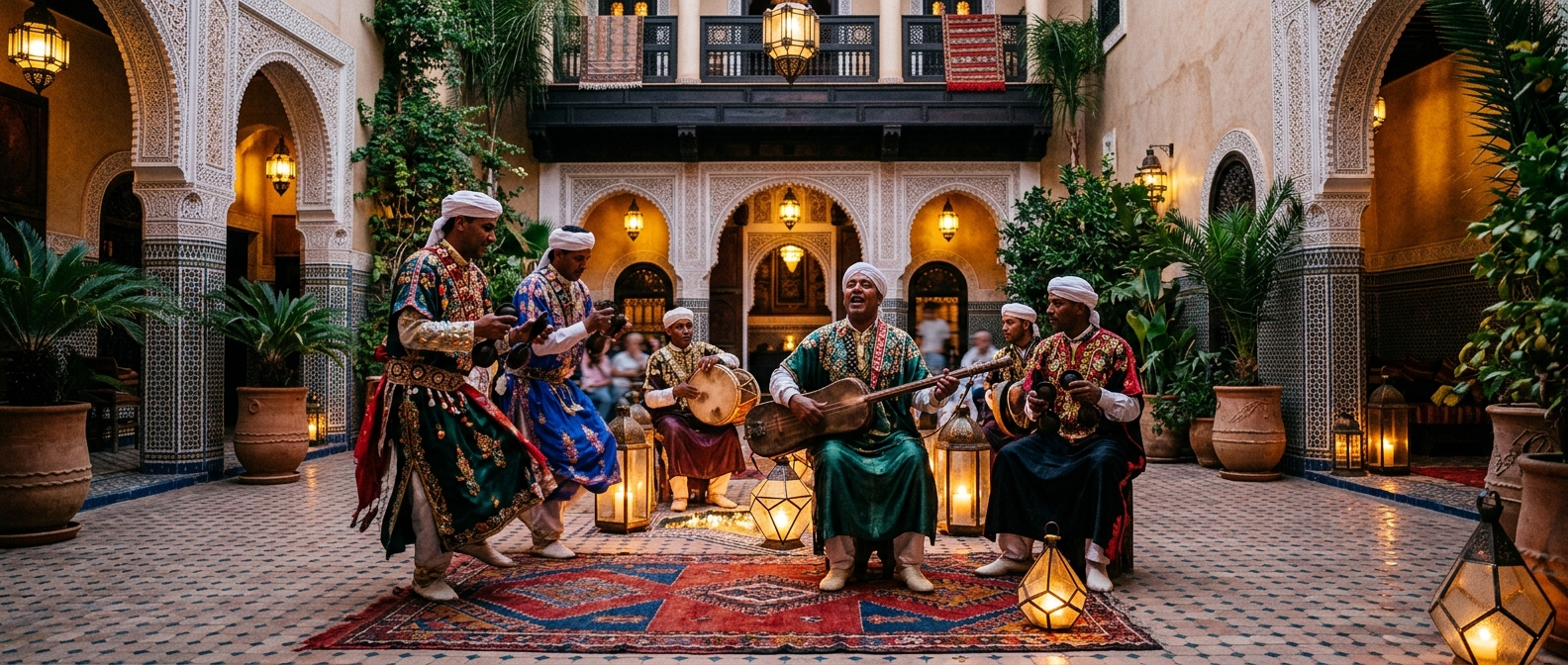
The Splendor of Moroccan Mosques
Mosques are the spiritual and architectural centerpieces of Moroccan cities and towns. Beyond their religious function, they are masterworks of craftsmanship, showcasing the carved plaster, cedar woodwork, and intricate zellij tile mosaics for which Morocco is renowned.
From soaring minarets that punctuate the skyline to serene courtyards cooled by fountains, these buildings express centuries of artistic and devotional tradition. Each region and dynasty left its mark, creating a rich variety of styles across the kingdom.
Hassan II Mosque, Casablanca
Completed in the early 1990s, the Hassan II Mosque in Casablanca is among the largest mosques in the world and a defining symbol of modern Morocco. Built partly over the Atlantic Ocean, it features a minaret that ranks among the tallest of any mosque, visible for miles.
The mosque is celebrated for its breathtaking craftsmanship, combining traditional Moroccan techniques with monumental scale. Notably, it is one of the few mosques in Morocco that welcomes non-Muslim visitors, who can explore its interior on guided tours.
Koutoubia Mosque, Marrakesh
The Koutoubia Mosque is the great landmark of Marrakesh, its elegant minaret rising above the city for more than eight centuries. Built in the 12th century under the Almohad dynasty, it set the standard for Moroccan and Andalusian minaret design.
The minaret's proportions and decorative restraint influenced later monuments, including towers in Seville and Rabat. Surrounded by gardens, the Koutoubia is a beloved symbol of Marrakesh and a striking sight, especially when illuminated at dusk.
Qarawiyyin Mosque, Fez
The Qarawiyyin in Fez is one of the oldest and most revered mosques in Morocco, founded in the 9th century. It is intimately tied to the famous university of the same name and has long been a center of religious learning and scholarship.
Expanded by successive dynasties, the mosque is a treasury of Islamic art, with a vast prayer hall, courtyards, and exquisite decoration. It remains a living center of worship at the heart of the historic medina of Fez.
Other Notable Mosques
Morocco offers many more architectural treasures. In Rabat, the unfinished Hassan Tower, intended to be a colossal minaret, stands beside the elegant mausoleum of Mohammed V. The Andalusian-influenced mosques of Tetouan and Chefchaouen reflect the country's Iberian heritage.
Smaller town and village mosques, often topped with green-tiled roofs and slender minarets, are equally part of the religious landscape. Together they show how mosque architecture adapts to local materials, traditions, and scale across the kingdom.
Visiting Mosques Respectfully
It is important to know that most mosques in Morocco are reserved for Muslims, and non-Muslim visitors are generally not permitted to enter the prayer areas. The Hassan II Mosque in Casablanca is a prominent exception that offers guided tours to all.
Even when admiring mosques from the outside, visitors should dress modestly, avoid disrupting worship, and be especially respectful during prayer times and on Fridays. Photography of worshippers should be approached with sensitivity and permission.
| Mosque | Highlight |
|---|---|
| Hassan II Mosque, Casablanca | Among the world's largest; open to visitors |
| Koutoubia, Marrakesh | Iconic 12th-century Almohad minaret |
| Qarawiyyin, Fez | 9th-century mosque linked to the famous university |
| Hassan Tower, Rabat | Unfinished historic minaret beside Mohammed V mausoleum |
Notable mosques in Morocco
FAQ
Can non-Muslims visit mosques in Morocco?
Most mosques in Morocco are reserved for Muslims, but the Hassan II Mosque in Casablanca is a notable exception that offers guided tours open to all visitors.
Which is the most famous mosque in Morocco?
The Hassan II Mosque in Casablanca and the Koutoubia in Marrakesh are among the most famous; the Koutoubia is the iconic landmark of Marrakesh.
What should visitors wear near mosques?
Visitors should dress modestly, covering shoulders and knees, and behave respectfully, particularly during prayer times and Friday congregational worship.
Loved this? Useful? React below — your feedback helps other readers.