Moroccan Hospitality: Why It's World-Famous
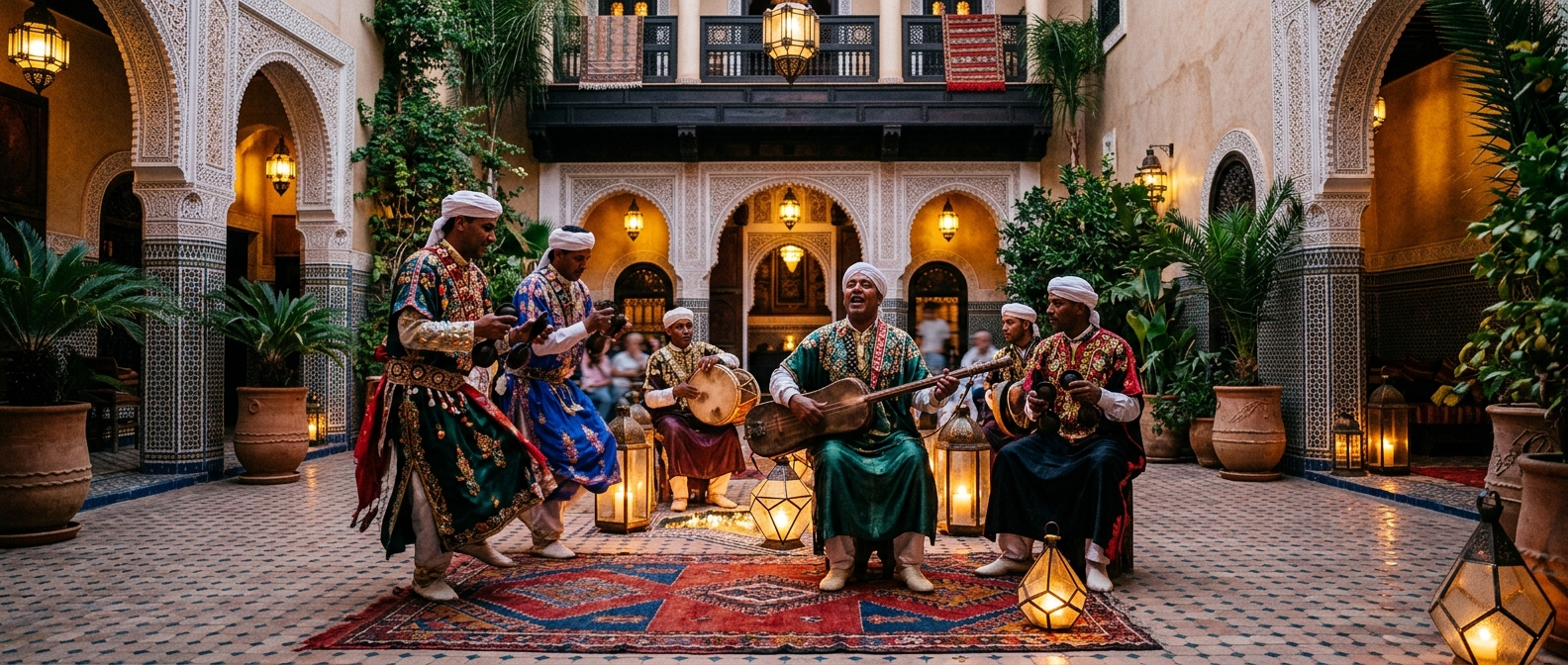
The Meaning of Diyafa
Hospitality in Morocco is captured by the concept of diyafa, the art and duty of generously welcoming guests. Rooted in both Islamic teachings and ancient Amazigh and Arab traditions, caring for a guest is regarded as an honor and a reflection of one's character.
A common sentiment is that the guest is a gift, and welcoming a stranger with warmth, food, and shelter is a point of pride. This ethic helps explain why so many travelers leave Morocco moved by the kindness they encountered.
Tea, Food, and Abundance
The first gesture of welcome is almost always mint tea, often accompanied by dates, nuts, or pastries. Sharing tea is the universal language of Moroccan hospitality, signaling friendship and respect.
When invited to a home, expect abundance. Hosts typically serve far more food than guests can finish, as plenty signals generosity. Communal dishes like tagine and couscous are shared from a central plate, and hosts may insist you keep eating.
Being Invited Into a Home
An invitation into a Moroccan home is a genuine honor and a window into the culture's heart. Such invitations can arise spontaneously, even from people you have just met, and reflect sincere warmth rather than obligation.
It is customary to bring a small gift, such as pastries, fruit, sugar, or tea, when visiting. Remove your shoes if your hosts do, and accept food and drink graciously. Refusing everything can unintentionally seem cold, so accept at least a little.
Table Etiquette
Many traditional meals are eaten from a shared communal dish, often with the right hand. The left hand is traditionally considered unclean for eating, so use your right hand for food and for giving and receiving items.
Eat from the section of the dish directly in front of you rather than reaching across. Wash your hands before and after the meal, compliment the cooking, and pace yourself, as hosts will keep offering more. Saying bsaha (to your health) is a warm touch.
| Do | Why |
|---|---|
| Accept tea and food | Refusing can seem cold or rude |
| Bring a small gift | Shows gratitude when visiting a home |
| Eat with the right hand | Left hand is traditionally unclean for food |
| Remove shoes if hosts do | Respects household custom |
| Say shukran / bsaha | Expresses thanks and good wishes |
Being a gracious guest in Morocco
FAQ
What is diyafa?
Diyafa is the Moroccan cultural value of hospitality, the duty and honor of generously welcoming guests with warmth, tea, food, and shelter. It is rooted in Islamic, Amazigh, and Arab traditions.
What should I bring when invited to a Moroccan home?
A small gift such as pastries, fruit, sugar, or tea is customary and appreciated. It shows gratitude and respect for your hosts' generosity.
Why do Moroccan hosts serve so much food?
Abundance signals generosity and care. Hosts often serve more than guests can finish, and leaving a little food on the dish shows you were well fed and satisfied.
Loved this? Useful? React below — your feedback helps other readers.