Moroccan Home Decor Guide
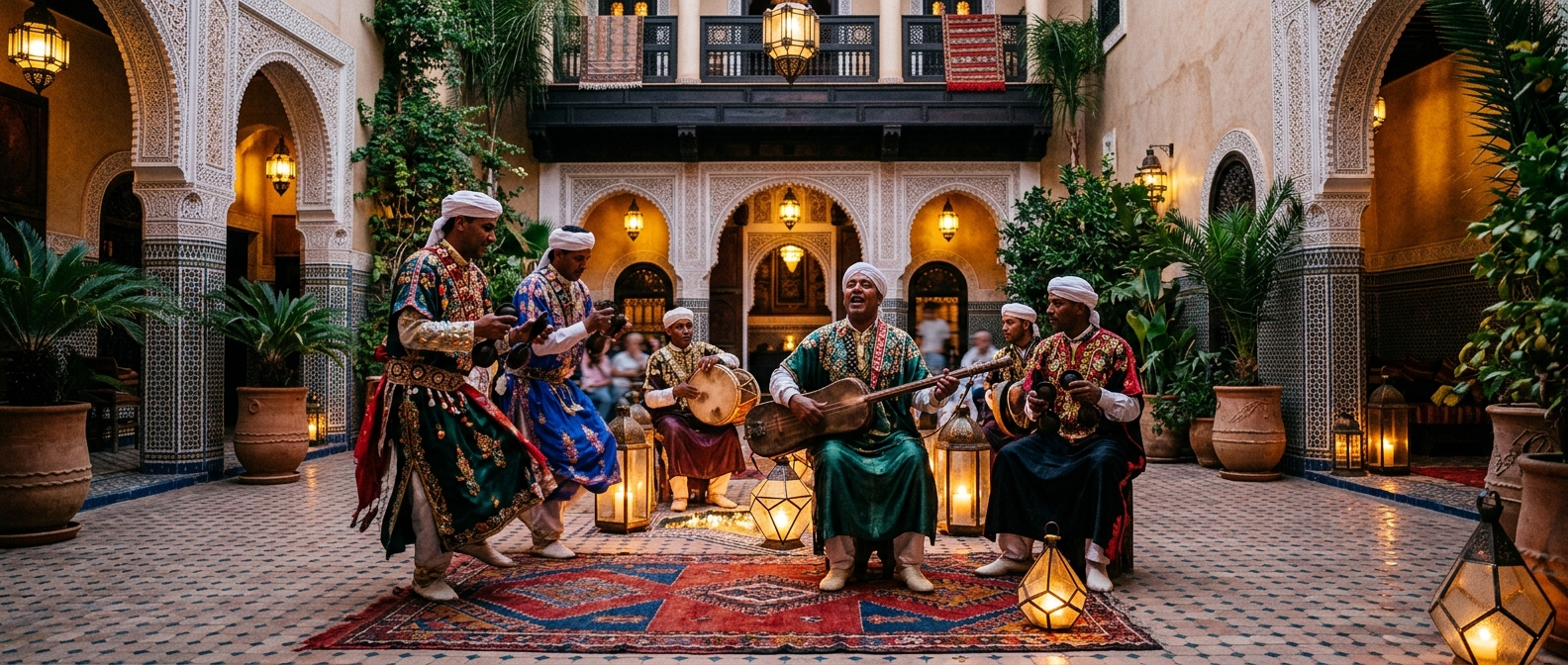
The Elements of Moroccan Style
Moroccan interior style is defined by rich texture, geometric pattern and warm metallic glow. It layers handwoven rugs, intricate metalwork, mosaic tile and earthy ceramics to create rooms that feel both opulent and inviting.
You do not need to redecorate entirely to bring the look home. A single statement piece, a lantern, a rug or a pouf, can anchor a space, while a collection of smaller accents builds a fuller Moroccan atmosphere over time.
Lanterns and Lighting
Lighting is the soul of Moroccan decor. Pierced-metal lanterns cast intricate patterns across walls and ceilings, while colored-glass lamps glow in jewel tones. Both come in floor, table and hanging versions to suit any room.
Choose lanterns with clean, even piercing and sturdy construction, and check whether a piece is wired for electricity or made for candles. Smaller lanterns travel home with padding, while large hanging fixtures usually need shipping.
Zellige Tile and Tadelakt
Zellige is hand-cut glazed terracotta tile arranged into dazzling geometric mosaics, seen on tabletops, fountains, mirrors and trays. Each tessera is shaped by hand, giving genuine zellige subtle variation and depth that printed imitations lack.
Tadelakt is a polished lime plaster finish, naturally waterproof and used for sinks, walls and decorative vessels with a soft, seamless sheen. Both finishes evoke Moroccan architecture; smaller zellige items like tables and mirrors are the most practical to buy and ship.
Rugs, Poufs and Textiles
Wool rugs ground a Moroccan room: cream beni ourain pieces suit modern interiors, while colorful kilims and azilal rugs add vibrancy. Leather poufs, sold unstuffed so they pack flat, double as seating and footrests.
Layer in handwoven blankets, pom-pom throws and embroidered cushions for texture. As always, check rugs for hand-tied knots and genuine wool, and verify leather is real, since these are the textile and upholstery anchors of the style.
Ceramics, Brass and Accents
Hand-painted bowls, plates and decorative tagines bring color to kitchens and tables, while brass and copper trays, teapots and mirrors add warm metallic shine. Thuya wood marquetry boxes from Essaouira make refined accent pieces.
Confirm that decorative tagines are for display only, as glazed painted versions are not made for cooking. Look for hand-painted detailing and a maker's mark on quality ceramics, and inspect metalwork for solid, even hammering.
Where to Shop and Shipping Decor Home
The souks of Marrakech and Fez carry the full range of decor, while Marrakech's Sidi Ghanem district holds designer showrooms with curated, higher-end ceramics, lighting and textiles at fixed prices, popular with interior designers.
Large or fragile decor, big lanterns, zellige tables, mirrors and multiple rugs, is best shipped. Use reputable shops or couriers, get cost and tracking in writing, and pack smaller ceramics carefully in your luggage to bring the look home intact.
| Piece | Style role | Buying tip |
|---|---|---|
| Metal/glass lantern | Lighting, patterned glow | Check piecing and wiring |
| Zellige table/mirror | Geometric mosaic accent | Hand-cut, subtle variation |
| Leather pouf | Seating, packs flat | Verify genuine leather |
| Beni ourain rug | Floor anchor | Hand-knotted wool |
| Hand-painted ceramics | Color accents | Display tagines not for cooking |
Moroccan decor pieces and buying notes
FAQ
What defines Moroccan home decor?
Moroccan decor combines rich texture, geometric pattern and warm metallic glow: pierced-metal and glass lanterns, zellige mosaic tile, wool rugs, leather poufs, hand-painted ceramics and brass accents layered together for an opulent, inviting look.
Can I cook in a decorative Moroccan tagine?
Usually not. Brightly painted, glazed decorative tagines are made for display, not heat. Cooking tagines are plain unglazed or food-safe glazed clay. Always confirm with the seller which type you are buying before using one on a stove.
How do I get large Moroccan decor home?
Ship big or fragile items like large lanterns, zellige tables, mirrors and multiple rugs through a reputable shop or courier, getting cost and tracking in writing. Pack smaller ceramics and poufs carefully in your own luggage.
Loved this? Useful? React below — your feedback helps other readers.