Moroccan Fashion Designers Making Waves
A heritage of craft
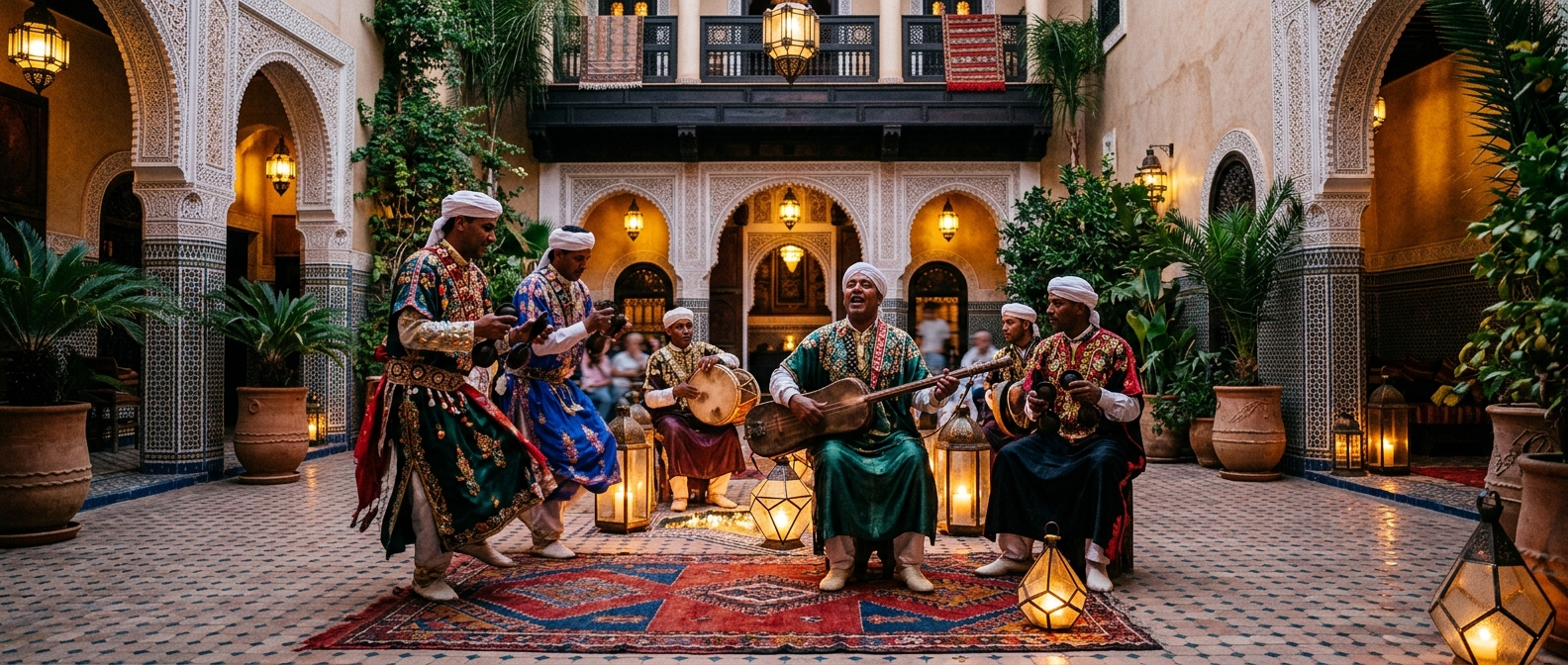
Morocco has a deep tradition of textile and decorative craft, from the embroidery of Fez and Rabat to leatherwork, weaving and metalwork. The caftan, a flowing embellished robe, is the centrepiece of Moroccan formal dress and a canvas for extraordinary detail.
This heritage gives Moroccan designers a rich foundation. Many build their work around reinterpreting the caftan and other traditional pieces for modern wardrobes and global runways.
The modern caftan movement
The caftan has evolved from purely traditional wear into a high-fashion category. Dedicated caftan shows and competitions in Morocco celebrate the craft, and designers experiment with cuts, fabrics and embellishment to keep it contemporary.
This movement has made the Moroccan caftan recognisable internationally and a sought-after item for special occasions among the diaspora and beyond.
Couture meets Moroccan identity
A number of designers fuse couture techniques with Moroccan motifs, using Amazigh symbols, zellige-tile geometry and traditional colour palettes in modern silhouettes. The result is fashion that feels both global and unmistakably Moroccan.
Designers of Moroccan heritage based in Europe also bring this identity to international markets, helping Moroccan aesthetics influence wider trends.
Streetwear and the new generation
Younger designers are bringing Moroccan references into streetwear and ready-to-wear, drawing on the same youth culture that powers the country's rap and digital scenes. Logos, slogans in Darija and reinterpreted traditional patterns appear in casual collections.
This new wave connects fashion to music and social media, giving emerging brands fast routes to visibility.
Materials and craftsmanship
Moroccan fashion leans on distinctive materials: fine leather from Fez tanneries, handwoven textiles, silver and amber jewellery, and elaborate hand embroidery. These crafts are labour-intensive and prized for their quality.
Sustaining these skills is part of the story, as designers increasingly highlight artisanal production and heritage techniques as selling points in a market that values authenticity.
Where Moroccan fashion shows up
Moroccan designers present at local fashion weeks, caftan events and international shows, and their work appears in regional boutiques and online. Social media, especially Instagram, is a key channel for reaching global buyers.
For visitors, the medinas of cities like Fez, Marrakech and Rabat remain unmatched places to see traditional craftsmanship that continues to inspire contemporary design.
| Element | Origin | Modern use |
|---|---|---|
| Caftan | Traditional formal dress | High-fashion and couture pieces |
| Embroidery | Fez, Rabat traditions | Detailing on modern garments |
| Amazigh motifs | Indigenous heritage | Prints and jewellery design |
| Fine leather | Fez tanneries | Bags, shoes, accessories |
Elements that define Moroccan fashion
FAQ
What is Moroccan fashion best known for?
It is best known for the caftan, intricate embroidery, fine leatherwork and Amazigh motifs, blending heritage craftsmanship with modern design.
Are Moroccan designers recognised internationally?
Yes. Designers showcase at international events and through diaspora communities, and the Moroccan caftan in particular has strong global recognition.
What is a caftan?
A caftan is a flowing, often heavily embellished robe that is central to Moroccan formal dress and has evolved into a high-fashion category.
Where can I see Moroccan craftsmanship in person?
The medinas of Fez, Marrakech and Rabat are renowned for traditional textiles, leather and embroidery that continue to inspire contemporary designers.
Loved this? Useful? React below — your feedback helps other readers.