Moroccan Natural Cosmetics Guide
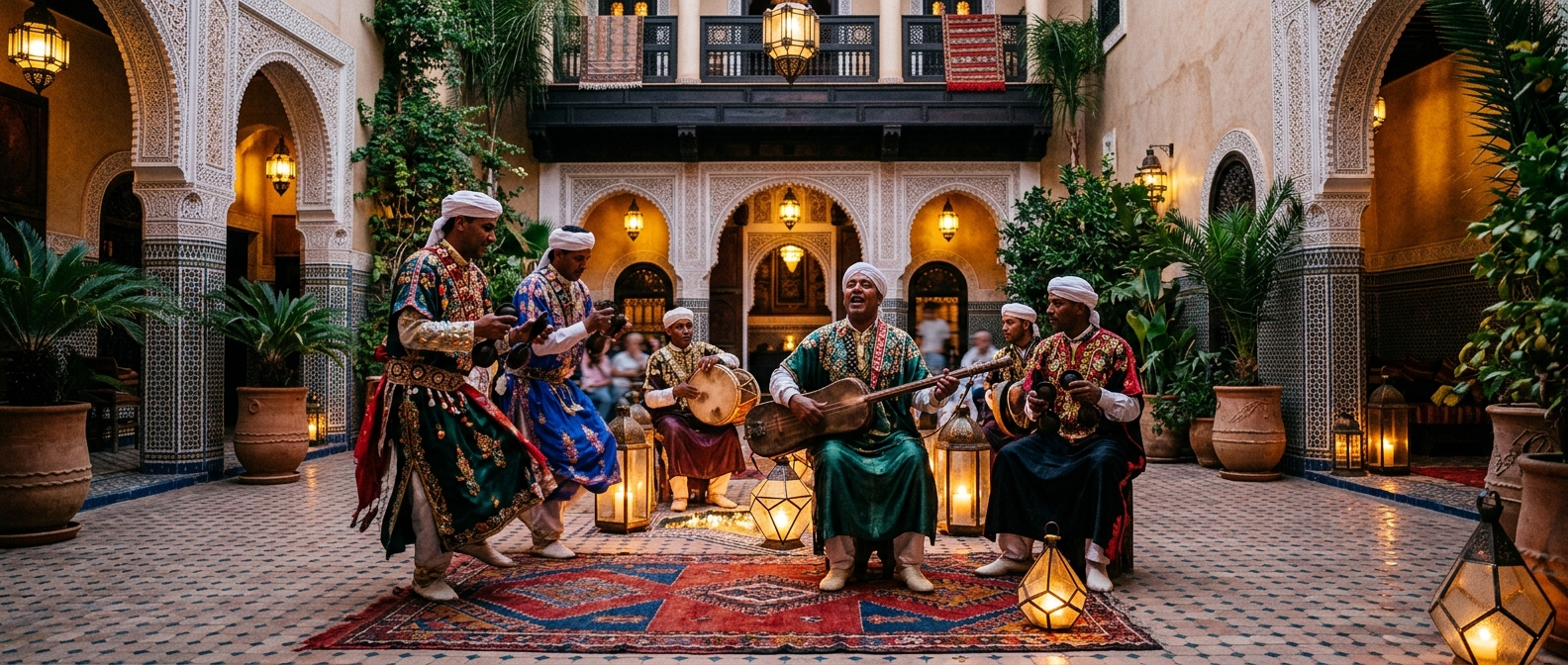
The Pillars of Moroccan Beauty
Moroccan natural cosmetics are built on a handful of time-tested ingredients. Argan oil nourishes skin and hair; ghassoul (rhassoul) clay cleanses and exfoliates; beldi black soap softens skin in the hammam; and rose water tones and hydrates. Together they form a complete, largely natural beauty ritual.
Beyond these, prickly pear (cactus) seed oil is a prized anti-aging facial oil, and aker fassi is a traditional natural tint for lips and cheeks. Understanding each product helps you build an authentic routine and judge quality across the category.
Argan, Prickly Pear, and Other Oils
Cosmetic argan oil should be 100% pure, cold-pressed, and in dark glass. Prickly pear seed oil (huile de figue de barbarie) is even more expensive than argan because it takes a huge quantity of seeds to produce a little oil, so genuine prickly pear oil is never cheap; suspiciously low prices indicate dilution.
For any beauty oil, look for a single-ingredient label, cold-pressed processing, dark glass packaging, and a natural (not perfumed) scent. These oils absorb into skin and are used sparingly, a few drops at a time. Pair them with masks and cleansers for a full routine.
Clays, Soaps, and Waters
Ghassoul clay should list only the Moroccan clay and have an earthy, fragrance-free smell. Beldi black soap should be a soft dark olive-oil paste with a short ingredient list, used with a kessa glove. Rose water (and orange blossom water) should list only the floral distillate, with a soft natural scent and no synthetic fragrance.
Across all of these, the recurring authenticity test is the same: short, natural ingredient lists, traditional sourcing, no added synthetic fragrance or filler, and appropriate packaging. Long ingredient lists full of detergents and perfumes signal mass-market imitations.
Reading Labels and Certifications
Always read the full ingredient list (INCI). Authentic products are simple. Watch for red flags like fragrance/parfum on products that should be naturally scented, mineral oil or petrolatum standing in for plant oils, and very long lists on a supposedly pure product.
Certifications add confidence: ECOCERT, COSMOS, and USDA Organic indicate verified natural or organic standards. Cooperative sourcing (especially women's cooperatives for argan) supports authenticity and fair production. None of these guarantee perfection, but combined with a clean label they strongly suggest a genuine product.
Price Ranges and Where to Buy
Prices vary by product: ghassoul, beldi soap, and rose water are affordable (roughly $8-$25 each), cosmetic argan oil runs $15-$40 per 50ml, and prickly pear seed oil is premium, often $30-$60+ for a small bottle. Very cheap versions of the premium oils are almost always diluted.
Buy from Moroccan herboristeries, cooperatives, and reputable natural-beauty retailers, online or in-country, that detail ingredients, sourcing, and certifications. In souks, herboriste shops are a good source, but verify ingredient purity. Avoid heavily perfumed tourist products marketed as natural.
Building and Storing Your Routine
A simple authentic routine might be: cleanse and exfoliate weekly with beldi soap and a kessa glove or a ghassoul mask, tone daily with rose water, and moisturize with a few drops of argan or prickly pear oil. Patch-test new products and introduce them one at a time.
Store oils in a cool, dark place and use within their shelf life; keep clays dry and sealed; refrigerate preservative-free waters. Buying sensible sizes you will finish before they degrade ensures your Moroccan beauty products stay fresh and effective.
| Factor | Tip |
|---|---|
| Ingredients | Short, natural INCI list; no parfum or mineral oil in pure products |
| Oils | Cold-pressed, dark glass; prickly pear and argan are never cheap |
| Certification | ECOCERT, COSMOS, USDA Organic, or cooperative sourcing |
| Packaging | Dark glass for oils; sealed dry clay; glass for floral waters |
| Price | Clays/soaps/waters $8-$25; argan $15-$40; prickly pear $30-$60+ |
What to look for
FAQ
What are the essential Moroccan natural cosmetics?
The core staples are argan oil, ghassoul (rhassoul) clay, beldi black soap, and rose water, often joined by premium prickly pear seed oil and the traditional aker fassi lip-and-cheek tint.
How do I check if a Moroccan cosmetic is authentic?
Read the ingredient list. Authentic products have short, natural lists with no synthetic fragrance or mineral oil, use appropriate packaging (dark glass for oils), and ideally carry organic certification or cooperative sourcing.
Why is prickly pear seed oil more expensive than argan oil?
It takes an enormous quantity of cactus seeds to extract a small amount of oil, making it one of the costliest plant oils. Genuine prickly pear seed oil is therefore never cheap; a low price usually means it is diluted.
Loved this? Useful? React below — your feedback helps other readers.