Moroccan Cooking Classes Guide
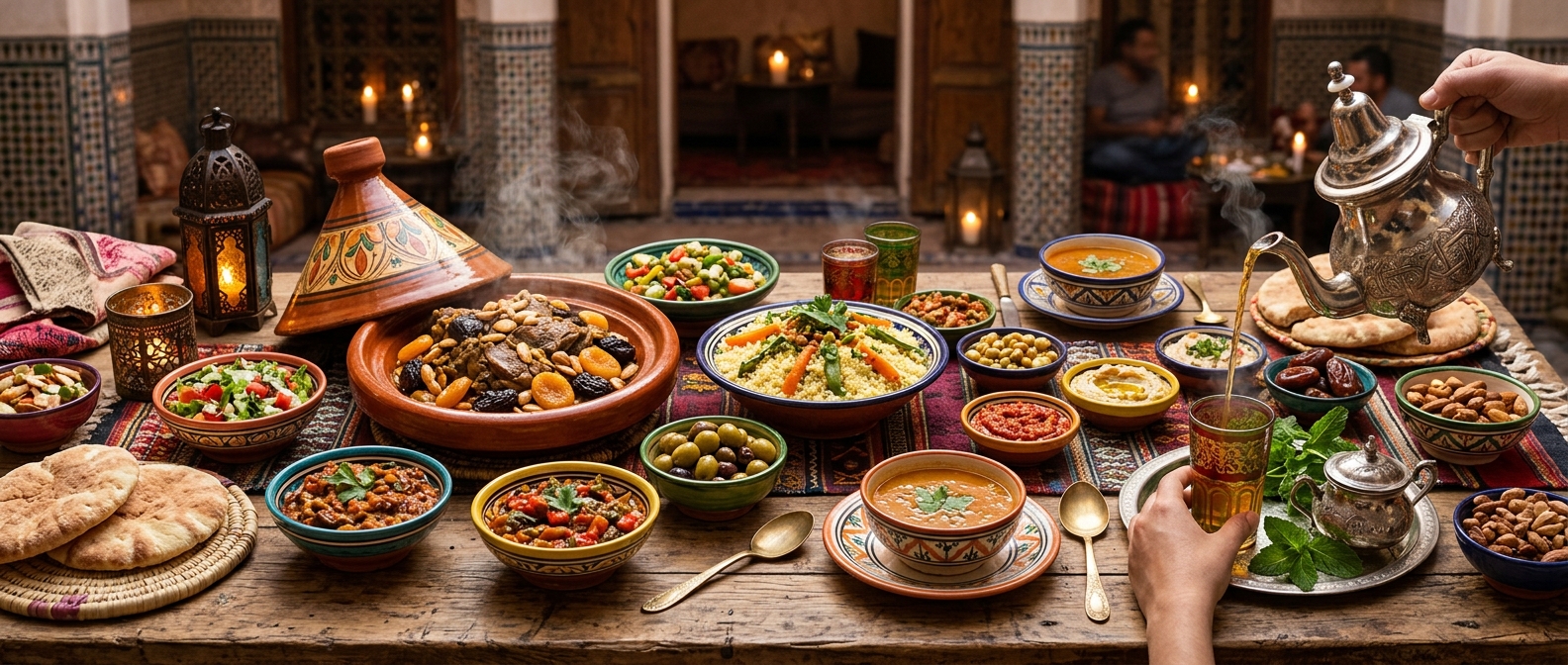
Why Take a Cooking Class in Morocco
A cooking class is one of the most rewarding cultural experiences in Morocco, offering hands-on insight into the spices, techniques, and traditions behind the country's celebrated cuisine. You leave with practical skills you can recreate at home and a deeper appreciation of the food you eat while travelling.
Classes also provide a relaxed, social setting to meet other travellers or interact with local hosts and families. Many are held in beautiful riads, rooftops, or village homes, combining cooking with a glimpse of Moroccan domestic life and hospitality.
What a Typical Class Includes
Most classes begin with a guided visit to a local market or souk, where the instructor explains how to choose vegetables, spices, herbs, and other ingredients and how Moroccans shop. This market tour is often a highlight, demystifying the spice stalls and produce.
Back in the kitchen, participants prepare several dishes hands-on under guidance, usually including a tagine or couscous, salads or starters, and sometimes bread or a dessert. The class ends by sitting down to enjoy the meal everyone has made, often with mint tea.
Dishes You Typically Learn
Common dishes taught include chicken or lamb tagine, often with preserved lemon and olives, vegetable couscous, and Moroccan salads such as zaalouk and taktouka. Many classes teach how to make traditional bread or pancakes like msemen, and some include pastries.
Instructors usually explain key techniques such as layering a tagine, steaming couscous, balancing spices, and using staples like preserved lemon, ras el hanout, and smen. Recipes are frequently provided so you can recreate the dishes after the trip.
Where and How Much
Cooking classes are widely available in Marrakech, Fez, Essaouira, Rabat, and Chefchaouen, among other places, ranging from large organised schools to intimate family-run experiences. Some take place in the countryside or Berber villages for a rural twist.
Prices vary with the length, group size, and inclusions such as market tours and transport. Smaller private or family classes cost more but offer a more personal experience, while group classes are more economical. Half-day classes are most common, with full-day and multi-day options available.
Choosing the Right Class
Read reviews and check what is included, such as the market tour, number of dishes, group size, and whether recipes are provided. Confirm dietary accommodations in advance if you are vegetarian, vegan, or gluten-free, as good classes can adapt the menu.
Decide whether you prefer a polished cooking school, a riad experience, or a home-based family class for authenticity. Booking ahead is wise in peak season, and a smaller group generally means more hands-on time and personal attention from the instructor.
Tips for Getting the Most Out of It
Come hungry, wear comfortable clothes, and bring a notebook or phone to capture tips, spice ratios, and techniques. Engage with the instructor and ask questions about ingredients you can find or substitute at home.
Consider buying spices, a tagine, or argan oil to take home so you can recreate dishes, and ask the instructor where to source authentic versions. A cooking class early in your trip can also help you order and appreciate food more confidently for the rest of your stay.
| Element | Typical detail | Notes |
|---|---|---|
| Market tour | Guided souk visit | Often included, a highlight |
| Dishes | Tagine, couscous, salads | Usually 3 to 5 items |
| Duration | Half day common | Full and multi-day available |
| Group size | Small to medium | Private classes more personal |
| Meal | Eat what you cook | Often with mint tea |
What to expect from a Moroccan cooking class
FAQ
Do cooking classes include a market visit?
Many do, starting with a guided tour of a souk or market to choose ingredients and learn about spices, though not all classes include one, so check first.
Are classes suitable for beginners?
Yes, most are designed for all skill levels, with hands-on guidance and recipes provided so beginners can follow along and recreate dishes at home.
Can dietary needs be accommodated?
Good classes can adapt for vegetarian, vegan, or gluten-free diets if you notify them in advance, so confirm before booking.
Loved this? Useful? React below — your feedback helps other readers.