Moroccan Clubs in African Competitions
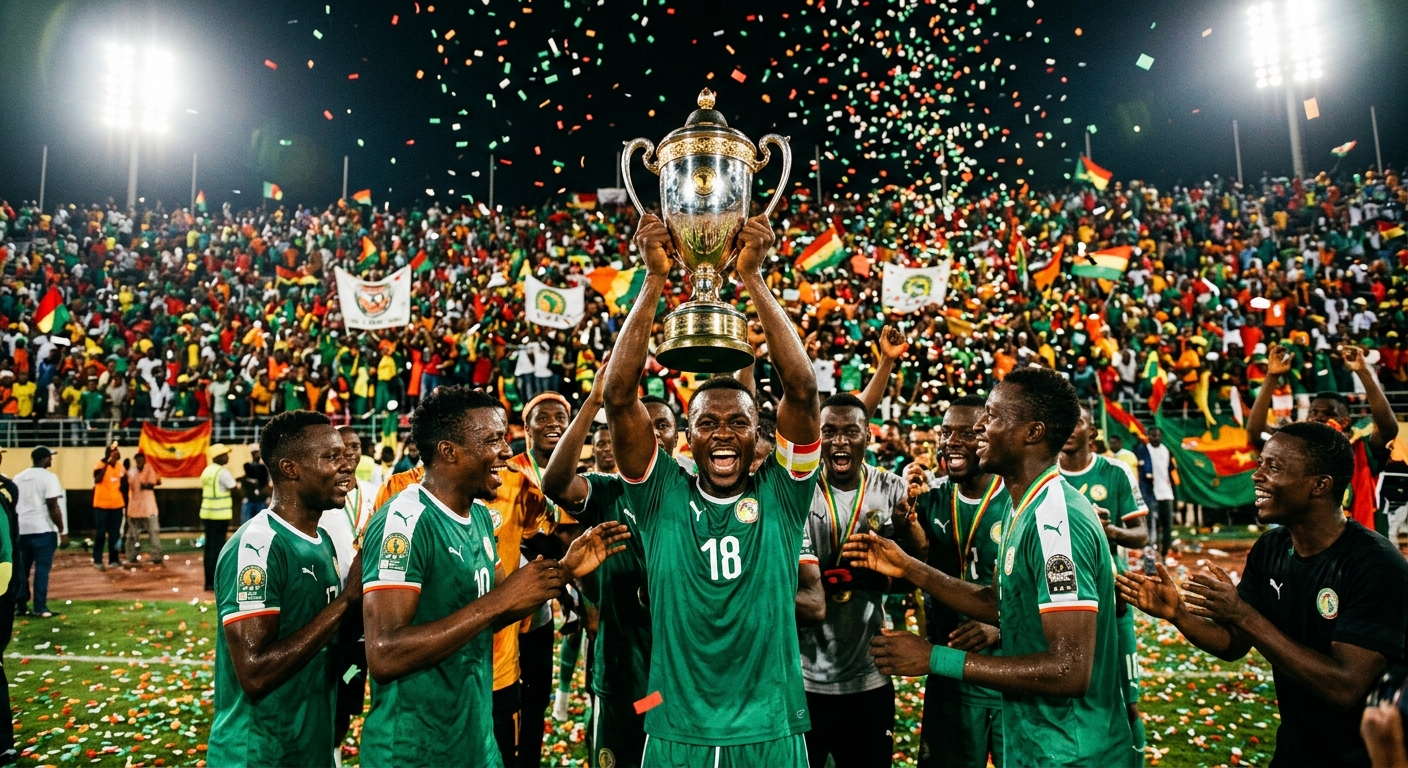
Morocco's Continental Standing
Moroccan clubs occupy a place among the elite of African football, with a collective record of continental success that ranks the country among the leading club football nations on the continent. From pioneering triumphs in the 1980s to repeated victories in the modern era, Moroccan clubs have consistently competed for and won African silverware.
This success spans both of Africa's major club competitions — the CAF Champions League, the premier tournament, and the CAF Confederation Cup, its secondary competition — as well as appearances at the FIFA Club World Cup. Few African nations can match the breadth of Morocco's continental achievements.
The strength of Moroccan club football on the continent reflects the depth and quality of the domestic game, with multiple clubs capable of competing at the highest African level. This is a marker of a mature and competitive footballing nation.
Morocco's continental record has also contributed to the country's rising footballing profile, complementing the national team's historic achievements and reinforcing Morocco's status as a footballing power in Africa and increasingly on the world stage.
AS FAR: The Pioneers
The story of Moroccan continental success begins with AS FAR Rabat. The army club became the first Moroccan side to win the African Cup of Champions Clubs, the forerunner of today's CAF Champions League, claiming the title in the 1980s and blazing a trail for the clubs that would follow.
AS FAR's triumph was a landmark moment, demonstrating that a Moroccan club could conquer Africa and inspiring the ambitions of the country's other leading sides. The achievement holds a permanent place in the history of both Moroccan and African football.
As a club backed by the armed forces and based in the capital, AS FAR's continental success carried significant national pride, turning the title into a moment of collective celebration across Morocco.
AS FAR's pioneering role established the foundation for Morocco's continental tradition, paving the way for the later and more frequent successes of the Casablanca giants and the emergence of new powers like RS Berkane.
Raja's Continental Crowns
Raja Club Athletic has been one of the most successful Moroccan clubs in African competition, winning the CAF Champions League multiple times. Raja's first continental crown came in the late 1980s, and further triumphs followed in subsequent decades, establishing the Green Eagles among the elite of African club football.
Beyond the Champions League, Raja has also won the CAF Confederation Cup, demonstrating versatility across Africa's club competitions. This breadth of continental silverware underlines Raja's standing as one of the most decorated clubs on the continent.
Raja's continental success reached a global audience through its run to the final of the FIFA Club World Cup when the tournament was hosted in Morocco, a remarkable achievement that announced the club to the world football community.
Each of Raja's continental triumphs has been celebrated as a moment of national significance, with the club carrying Morocco's banner to the summit of African football and bringing euphoric celebrations to the streets of Casablanca.
Wydad's African Glory
Wydad Athletic Club stands alongside Raja as one of Morocco's most successful clubs in African competition. Wydad has won the CAF Champions League multiple times, first conquering the continent in the 1990s and returning to the summit in subsequent decades.
Wydad's Champions League triumphs cemented its status as a continental giant and brought immense pride to Morocco and to the red half of Casablanca. The club has also been a regular presence in the latter stages of the competition, reaching multiple finals.
Wydad's continental success has earned it appearances at the FIFA Club World Cup, where the club has represented Africa against the champions of other confederations, enhancing its international profile and exposure to global opposition.
Together with Raja, Wydad has made Casablanca one of Africa's great football cities, home to two clubs that have both conquered the continent and contributed enormously to Morocco's standing in African club football.
RS Berkane: The Confederation Cup Kings
RS Berkane, the orange club from northeastern Morocco, has become one of the most successful clubs in the modern history of the CAF Confederation Cup, winning Africa's secondary competition multiple times. The club's repeated triumphs have made it a feared and respected continental power.
RSB's success is all the more remarkable given its origins outside Morocco's traditional power centres of Casablanca and Rabat. The club's rise from the citrus-growing east to the summit of African club competition is one of the great recent stories of the continental game.
Berkane's Confederation Cup victories have established the club among the elite of African football and demonstrated the depth of Moroccan club football beyond the traditional giants. The triumphs brought continental silverware to the eastern region and sparked jubilant celebrations.
RSB's consistency in the Confederation Cup, built on shrewd recruitment and sustained investment, marks it as a genuine continental heavyweight and a key contributor to Morocco's strong record in African competition.
MAS Fès and Other Winners
MAS Fès, the historic club of the imperial city, added to Morocco's continental honours by winning the CAF Confederation Cup. This triumph placed MAS among the Moroccan clubs to have lifted continental silverware and brought glory to one of Morocco's most revered cities.
MAS's success demonstrated that Morocco's continental achievements extended beyond the big three, with a club from Fès capable of overcoming strong opposition from across Africa to claim a major title.
The collective record of Moroccan clubs in continental competition — encompassing AS FAR, Raja, Wydad, RS Berkane and MAS — reflects the breadth and depth of the country's club football and its consistent competitiveness on the African stage.
These achievements, spread across multiple clubs and cities, underline why Morocco is regarded as one of the leading club football nations in Africa, with a continental tradition that few countries on the continent can match.
The CAF Champions League Explained
The CAF Champions League is Africa's premier club competition, equivalent to Europe's UEFA Champions League. It brings together the best clubs from across the continent, with the champions of each national league earning the right to compete for the title of African club champions.
For Moroccan clubs, qualification typically comes through winning the Botola Pro, with the league champion earning Morocco's primary berth. The competition's prestige and the continental glory it offers make it the ultimate target for the country's leading clubs.
Raja, Wydad and AS FAR have all tasted Champions League or African Cup of Champions Clubs glory, making Morocco one of the most successful nations in the competition's history. Reaching its latter stages is a regular ambition for the country's top sides.
Success in the Champions League brings not only silverware but also qualification for the FIFA Club World Cup, where African champions test themselves against the best clubs from other confederations on the global stage.
The CAF Confederation Cup Explained
The CAF Confederation Cup is Africa's secondary club competition, comparable to Europe's UEFA Europa League. It provides another route to continental glory for clubs that qualify through their domestic league or cup performances.
For Moroccan clubs, qualification for the Confederation Cup typically comes via a strong league finish or victory in the Throne Cup. The competition has been a particularly fruitful arena for Moroccan sides, with multiple clubs lifting the trophy.
RS Berkane and MAS Fès have both conquered the Confederation Cup, while other Moroccan clubs have featured prominently in the competition. This success underlines the depth of Moroccan club football across the country's leading sides.
The Confederation Cup offers Moroccan clubs outside the very top tier a genuine path to continental honours, and the country's strong record in the competition reflects the competitiveness of its domestic game beyond the biggest clubs.
Moroccan Clubs at the Club World Cup
Moroccan clubs have represented Africa at the FIFA Club World Cup, the global competition that brings together the continental champions of the world. These appearances have given Moroccan clubs exposure to the very best opposition on the planet.
Raja's run to the final of the Club World Cup, when the tournament was hosted in Morocco, stands as the high point of the country's involvement in the competition. Reaching the final against European champions was a landmark achievement for African club football.
Wydad's continental triumphs have also earned the club places at the Club World Cup, where it has competed against the champions of other confederations and enhanced its international profile through these global appearances.
These Club World Cup appearances measure the standing of Moroccan club football on the world stage and provide valuable experience against the global elite, contributing to the country's growing footballing reputation.
Why Morocco's Continental Record Matters
The collective continental record of Moroccan clubs is a powerful testament to the strength of the country's football. From AS FAR's pioneering triumph to the repeated successes of Raja, Wydad, RS Berkane and MAS, Morocco has established itself as a leading club football nation in Africa.
This success across multiple competitions and multiple clubs reflects the depth and quality of the Moroccan game, with sides from Casablanca, Rabat, Berkane and Fès all capable of competing at the highest continental level.
Morocco's continental achievements complement the national team's historic rise, reinforcing the country's status as a footballing power both in Africa and increasingly on the world stage. The two strands of success feed off and amplify one another.
As Morocco prepares to co-host the 2030 World Cup, the continental record of its clubs stands as a proud foundation, demonstrating that Moroccan football's strength runs deep through both its national team and its club game across the country.
| Club | Continental achievement |
|---|---|
| AS FAR Rabat | First Moroccan club to win African Cup of Champions Clubs (1980s) |
| Raja Casablanca | CAF Champions League (multiple) + Confederation Cup + Club World Cup final |
| Wydad Casablanca | CAF Champions League (multiple) + Club World Cup appearances |
| RS Berkane | CAF Confederation Cup (multiple titles) |
| MAS Fès | CAF Confederation Cup |
| Top competition | CAF Champions League (Africa's premier) |
| Secondary competition | CAF Confederation Cup |
| Global stage | FIFA Club World Cup |
Moroccan clubs' continental honours
FAQ
Which Moroccan club was first to win continental glory?
AS FAR Rabat was the first Moroccan club to win the African Cup of Champions Clubs, the forerunner of the CAF Champions League, claiming the title in the 1980s and pioneering Moroccan continental success.
How many CAF Champions League titles have Moroccan clubs won?
Moroccan clubs have won the CAF Champions League multiple times, with Raja Casablanca and Wydad Casablanca both lifting the trophy on more than one occasion, ranking Morocco among the most successful nations in the competition.
What is RS Berkane known for continentally?
RS Berkane is known as one of the most successful clubs in the modern CAF Confederation Cup, Africa's secondary club competition, having won the trophy multiple times despite hailing from outside Morocco's traditional power centres.
Have Moroccan clubs played at the Club World Cup?
Yes. Moroccan clubs have represented Africa at the FIFA Club World Cup. Most famously, Raja Casablanca reached the final when the tournament was hosted in Morocco, while Wydad has also made appearances.
Why is Morocco considered a leading African club nation?
Morocco's clubs have a deep and broad continental record, with AS FAR, Raja, Wydad, RS Berkane and MAS all winning African silverware. This success across multiple clubs and competitions makes Morocco one of the continent's leading club football nations.
Loved this? Useful? React below — your feedback helps other readers.