Moroccan Chicken Tagine with Preserved Lemon
What Is Djaj M'qualli?
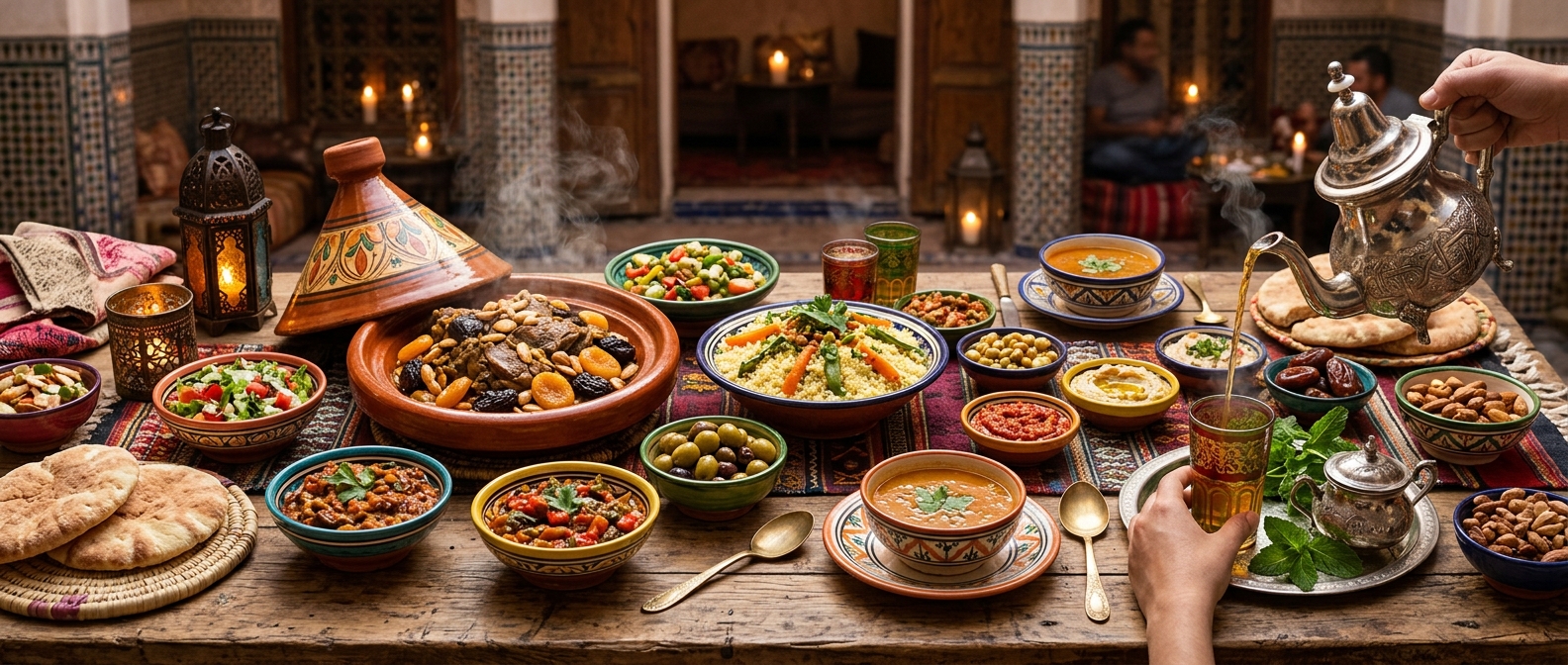
Djaj m'qualli is one of Morocco's most iconic tagines, named for the m'qualli style of cooking that produces a yellow, oil-and-lemon based sauce rather than a red, tomato-based one. The signature flavors come from preserved lemon (l'hamd marakad) and saffron (zaafrane), which give the dish its perfume and pale-gold color.
Every Moroccan family has its own version, but the constants are chicken on the bone, plenty of onion cooked down to a jam, garlic, fresh ginger, and the briny punch of cracked green olives added near the end. It is a Friday-lunch and celebration favorite across the country, from Fez to Marrakech.
Choosing and Preparing the Chicken
Use a whole chicken cut into pieces, or bone-in thighs and drumsticks, which stay juicy through long braising. Skin-on pieces add flavor to the sauce, though many cooks remove the skin for a lighter result. Pat the chicken dry before seasoning so the spices cling.
Marinate the chicken for at least 30 minutes (ideally a few hours) in crushed garlic, grated ginger, turmeric, saffron threads soaked in warm water, salt, pepper, and a little olive oil. This chermoula-style rub penetrates the meat and builds the base flavor of the tagine.
Building the Sauce
Traditionally everything cooks in the tagine itself, but a heavy Dutch oven works on a standard stove. Soften a generous amount of grated or finely sliced onion in olive oil until translucent, then add the marinated chicken and brown lightly on all sides.
Pour in just enough water to come halfway up the chicken, cover, and simmer gently. Low, steady heat is the secret: the onions melt into the liquid to thicken it naturally, while saffron and turmeric tint the sauce. Avoid boiling hard, which toughens the meat and muddies the flavor.
Adding Preserved Lemon and Olives
Preserved lemons are lemons cured in salt for weeks until soft and intensely fragrant. Rinse them, scoop out and discard the pulp, then slice the peel into strips. The peel is the flavor; it adds a salty-floral citrus note you cannot replicate with fresh lemon.
Add the preserved lemon and a cup of cracked green olives (zaytoun) in the last 15 to 20 minutes so the olives stay firm and the lemon keeps its perfume. Taste before adding extra salt, since both olives and preserved lemon are already salty. Finish with chopped cilantro and parsley.
Step-by-Step Cooking Method
1) Marinate the chicken in the spice rub. 2) Soften onions in olive oil. 3) Add chicken and brown. 4) Add water, cover, and simmer 45 to 60 minutes until tender. 5) Reduce the sauce uncovered if it is too thin. 6) Add preserved lemon and olives for the final 15 minutes. 7) Scatter with fresh herbs and serve.
If using an authentic clay tagine on a gas flame, place a heat diffuser underneath to prevent cracking, and never put a cold tagine on high heat. The conical lid traps steam and bastes the chicken as it cooks, which is why the meat turns so tender.
Serving and Storing
Serve the tagine hot, straight from the pot, with rounds of khobz (Moroccan bread) for scooping. In Morocco people eat communally from the center of the dish using bread instead of forks. A simple side of olives, fresh bread, and mint tea (atay) completes the meal.
Leftovers keep for up to three days in the fridge and reheat well, as the flavors deepen overnight. Gently warm on the stove with a splash of water. The dish does not freeze as nicely because preserved lemon can turn bitter, so it is best eaten fresh.
| Ingredient | Amount |
|---|---|
| Bone-in chicken pieces | 1.5 kg (3 lb) |
| Onions, grated or sliced | 2 large |
| Garlic cloves, crushed | 4 |
| Fresh ginger, grated | 1 tbsp |
| Saffron threads | 1 pinch |
| Turmeric | 1 tsp |
| Preserved lemon | 1 to 2 |
| Green olives | 1 cup |
| Olive oil | 4 tbsp |
| Cilantro and parsley, chopped | 1/2 cup |
| Salt and black pepper | to taste |
Ingredients
FAQ
Can I make chicken tagine without a tagine pot?
Yes. A heavy Dutch oven or any lidded pot with a thick base works well. The key is low, slow heat and a tight lid to trap steam, so the chicken stays moist and the onions melt into the sauce.
Where do I get preserved lemons?
Look in Middle Eastern, North African, or Mediterranean grocery stores, or order online. You can also make your own by packing quartered lemons in salt and their juice in a jar for three to four weeks.
What can I substitute for saffron?
Saffron gives the authentic aroma and gold color, but if unavailable, a small amount of extra turmeric will provide color. The flavor will be slightly different but the tagine will still be delicious.
Loved this? Useful? React below — your feedback helps other readers.