Bissara: Moroccan Fava Bean Soup
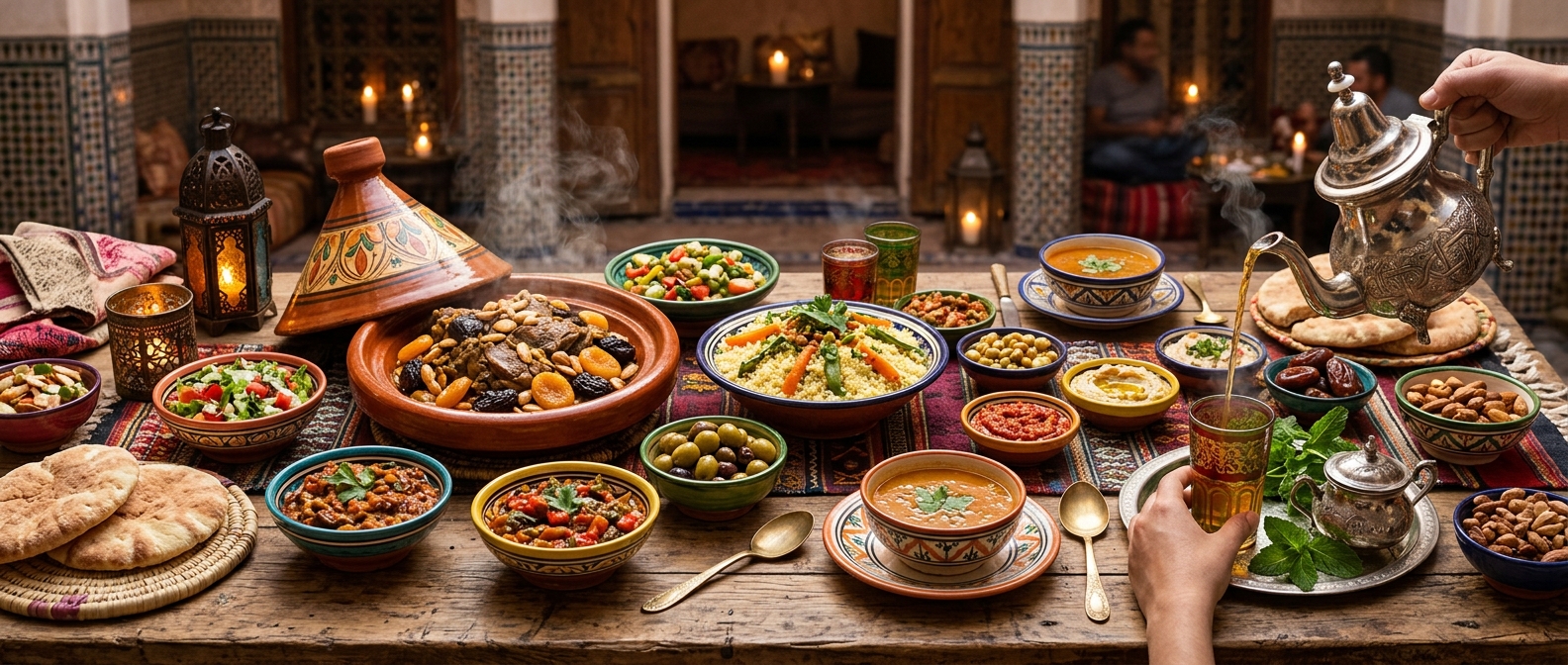
A Humble Northern Classic
Bissara is comfort food born of simple, cheap ingredients: dried fava beans (foul) or sometimes split peas, garlic, water, and good olive oil. It is most associated with northern Morocco, especially Chefchaouen and the Rif, where the cold mountain mornings call for something warming.
Vendors ladle it from steaming pots into bowls at dawn, making it a working person's breakfast. Despite its humble roots, a well-made bissara is silky, garlicky, and deeply satisfying.
Choosing the Beans
The authentic version uses dried, peeled, split fava beans, which break down into a smooth puree. If you can only find whole dried favas with skins, soak them and remove the skins, or use split green peas as a common alternative.
Peeled split favas cook faster and blend creamier, which is why they are the street vendors' choice. Look for them in Middle Eastern or North African groceries labelled "split fava beans."
How to Make It
Rinse the split favas, then simmer them with plenty of water, several whole garlic cloves, salt, and a little cumin until completely soft, about 45-60 minutes. Skim any foam that rises.
Blend the beans with their cooking liquid until smooth, adding water to reach a pourable but thick consistency. Stir in olive oil and adjust the cumin and salt. The soup thickens as it cools, so keep it looser than you think.
The Finishing Touches
What turns plain bean puree into real bissara is the topping: a generous drizzle of olive oil, a dusting of ground cumin and sweet paprika, and sometimes a pinch of chili for heat. Each diner stirs the toppings in to taste.
Some cooks add a squeeze of lemon or a knob of butter. The contrast of grassy olive oil against the earthy beans and warm cumin is the heart of the dish.
Serving and Variations
Bissara is served piping hot in shallow bowls, with plenty of khobz (Moroccan bread) for scooping; cutlery is rarely used. It works as breakfast, a light lunch, or a starter.
Variations include a thicker dip-style bissara made with less water, and a split-pea version popular in some regions. A few cooks blend favas and peas together for a balance of colour and flavour.
Why It Endures
Bissara is cheap, filling, vegan, and protein-rich, which has kept it on Moroccan tables for generations, especially in winter. It is also fast to reheat, so a single pot feeds a family across several mornings.
Its enduring popularity shows how Moroccan cuisine turns the simplest pantry staples into something nourishing and full of character.
| Ingredient | Darija | Role |
|---|---|---|
| Split fava beans | Foul | Creamy base |
| Garlic | Touma | Savoury depth |
| Cumin | Kamoun | Warm topping spice |
| Olive oil | Zit zitoun | Rich finishing drizzle |
Bissara ingredient roles
FAQ
Is bissara vegan?
Yes, traditional bissara made with fava beans, garlic, olive oil, and spices is fully vegan. Only butter-finished versions are not.
When do Moroccans eat bissara?
Most often as a hot winter breakfast or light meal, especially in northern Morocco. It is popular street and market food at cold times of year.
Can I use split peas instead of favas?
Yes. Split green peas are a common substitute and cook into a similar creamy texture, though the flavour is slightly sweeter.
Loved this? Useful? React below — your feedback helps other readers.