The History of Meknes
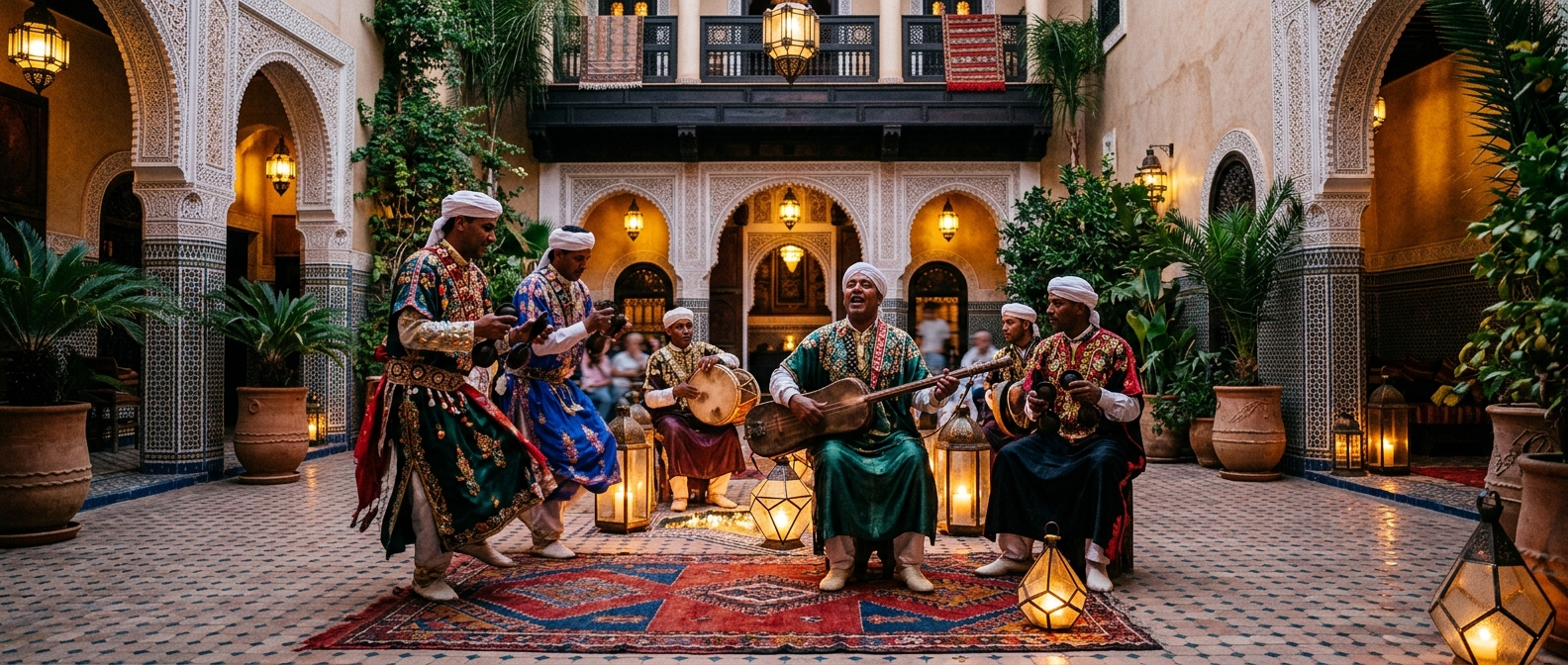
Early Meknes
Meknes takes its name from the Meknassa, a Berber group that settled the area, and the city grew under the Almoravids in the eleventh century as a fortified settlement and military base. For centuries it remained a regional town overshadowed by larger neighbors such as Fez.
Its fertile surroundings and strategic position on routes between northern and central Morocco gave Meknes lasting importance. The foundations laid in this early period would later be dramatically expanded into an imperial capital.
Moulay Ismail and the Imperial Capital
The defining era of Meknes came under Sultan Moulay Ismail of the Alaouite dynasty, who ruled from 1672 to 1727 and chose the city as his capital. He launched an enormous building program to create a palatial city worthy of his power.
Drawing on a vast labor force, Moulay Ismail surrounded Meknes with miles of high walls and built palaces, mosques, gardens, granaries, and military structures. His ambition was to rival the great capitals of his age, and the scale of his works was extraordinary.
Monumental Gates and Walls
Among the most celebrated monuments of Meknes is Bab Mansour, a vast and richly decorated gate completed in the early eighteenth century. With its tilework, columns, and imposing scale, it ranks among the finest gates in North Africa.
The city's extensive ramparts, punctuated by gates and towers, enclosed the imperial complex and reflected both defensive needs and the sultan's appetite for grandeur. These walls remain a defining feature of the historic city.
Granaries, Stables, and Reservoirs
Moulay Ismail's capital required vast logistical infrastructure. The Heri es-Souani, a complex of monumental granaries and stables, was designed to store grain and house thousands of horses, with thick walls keeping the interior cool.
Nearby, the large Agdal basin served as a reservoir to supply water to the palace gardens and the city. These engineering works illustrate the practical foundations behind the imperial display, ensuring the capital could sustain its court, army, and population.
Religious and Royal Monuments
Meknes contains important religious sites, including the Mausoleum of Moulay Ismail, where the sultan is buried. As one of the few Moroccan religious monuments traditionally open to non-Muslim visitors, it offers a glimpse of fine Moroccan decorative art.
The historic city also includes mosques, madrasas such as the Bou Inania, and palace quarters. Together these monuments reflect the religious and royal character that Moulay Ismail sought to embody in his capital.
Decline and Continuity
After the death of Moulay Ismail, the capital shifted away from Meknes, and the city's political prominence faded. An earthquake in 1755 and the passage of time damaged some of his ambitious structures, leaving parts of the imperial city in ruins.
Despite this decline, Meknes retained its monuments and continued as an important regional center. The surviving walls, gates, and complexes preserve the memory of its brief but spectacular imperial age.
Meknes Today
In 1996, the historic city of Meknes was inscribed as a UNESCO World Heritage Site, recognized as an example of a fortified seventeenth-century Maghrebi capital that blends Islamic and European elements. The listing brought renewed attention to its conservation.
Today Meknes is a lively provincial city surrounded by rich agricultural land, including vineyards and olive groves. Often quieter than Fez or Marrakech, it offers visitors monumental architecture and a strong sense of its imperial past.
| Monument | Type | Note |
|---|---|---|
| Bab Mansour | City gate | Richly decorated monumental gate |
| Heri es-Souani | Granaries and stables | Vast storage and horse complex |
| Agdal basin | Reservoir | Water supply for palace and gardens |
| Mausoleum of Moulay Ismail | Royal tomb | Burial place of the sultan |
Key monuments of imperial Meknes
FAQ
Who made Meknes an imperial capital?
Sultan Moulay Ismail of the Alaouite dynasty made Meknes his capital after 1672 and built its monumental walls, gates, palaces, and granaries.
What is Meknes famous for?
Meknes is famous for its monumental gate Bab Mansour, vast ramparts, the Heri es-Souani granaries and stables, and the mausoleum of Moulay Ismail.
When did Meknes become a UNESCO World Heritage Site?
The historic city of Meknes was inscribed on the UNESCO World Heritage List in 1996 as a fortified seventeenth-century Maghrebi capital.
Loved this? Useful? React below — your feedback helps other readers.