Mawazine Festival Guide (Rabat)
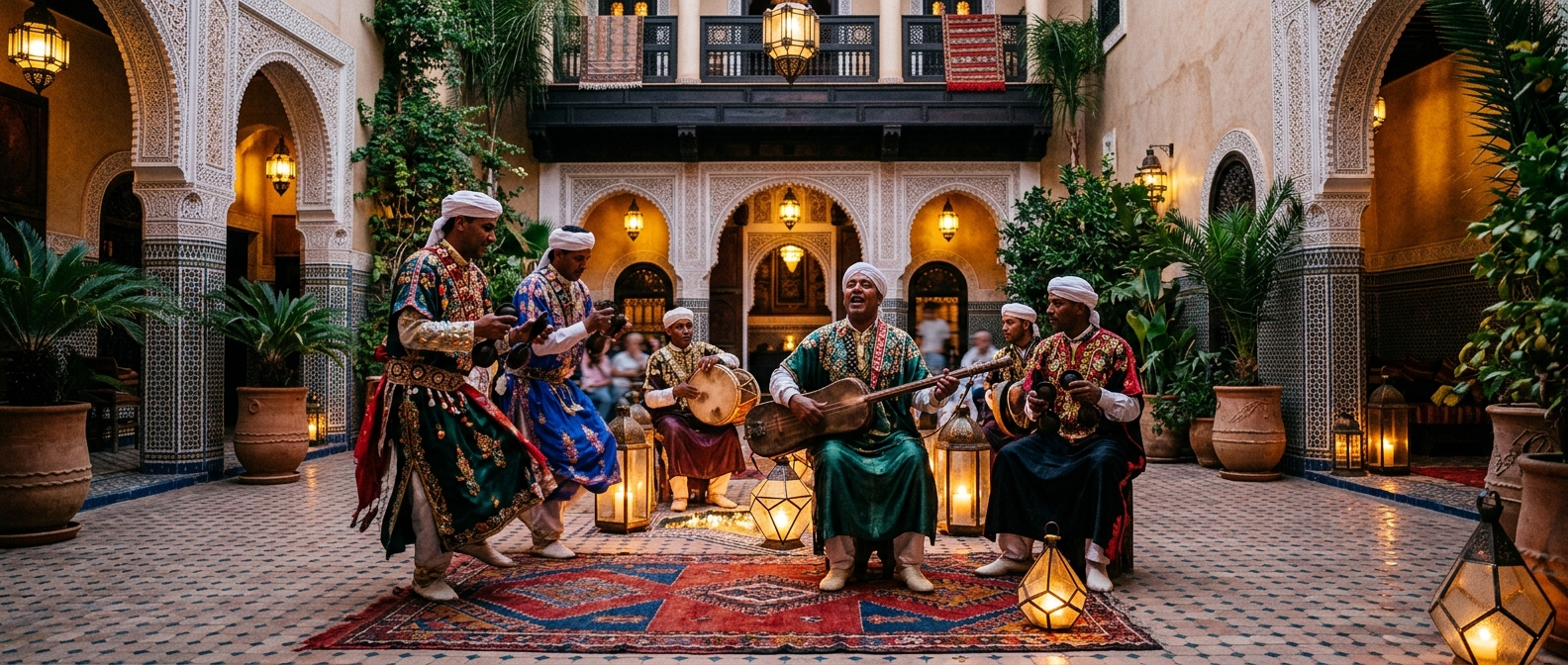
What Is Mawazine
Mawazine, meaning rhythms in Arabic, is an international music festival staged in Morocco's capital, Rabat, usually over about nine days in June. Launched in 2001, it has grown into one of the biggest festivals on the planet, with attendance reported in the millions across its run.
Organized under the patronage of the Moroccan royal family through the Maroc Cultures association, it positions Rabat as a global cultural crossroads. The festival mixes international superstars with the best of Arab, African and Moroccan music.
The Lineup and Stages
Mawazine spreads across multiple venues around Rabat and neighboring Salé, each with a different musical identity. The OLM Souissi stage hosts major international pop, rock and hip-hop headliners, while the Bouregreg stage on the riverbank focuses on Arab and Middle Eastern stars.
Other stages spotlight African artists, Moroccan and Sahrawi music, and emerging local talent. Past international headliners have included global names across pop, R&B and rock, making the bill remarkably eclectic.
Free Versus Ticketed Concerts
A defining feature of Mawazine is that many concerts are free and open to the public, part of its mission to democratize access to live music. The stages in central Rabat and Salé draw enormous local crowds at no cost.
The marquee international headliners at OLM Souissi typically require paid tickets, sold in tiers from general standing to VIP. Buying early is wise for the biggest names, as premium concerts can sell out.
Planning Your Visit
The festival runs in June, with exact dates announced earlier in the year, so confirm the schedule before booking travel. Rabat is well connected by train to Casablanca and other cities, making day trips and combined-city visits easy.
Book accommodation in Rabat well ahead, as hotels fill during the festival. Allow time between venues, since the city sees heavy crowds and traffic during peak concert hours.
Atmosphere and Crowds
Mawazine is a genuinely mass-scale event, and the free stages in particular can draw enormous, energetic crowds. The atmosphere is festive and family-friendly during the day, intensifying at night for the headline acts.
Security is significant given the scale, and bag checks at venue entrances are routine. Plan to arrive early for popular free concerts to secure a reasonable spot near the stage.
Tips for First-Timers
Stay hydrated and dress for warm June evenings, and wear comfortable shoes for long stretches of standing and walking between sites. Keep valuables minimal and secure in dense crowds.
Mixing free local-stage discoveries with one or two paid headline nights gives the best balance of budget and bucket-list experiences. Check the official program for set times and venue maps before each night.
| Detail | Information |
|---|---|
| City | Rabat (and Salé) |
| Season | June, around nine days |
| Founded | 2001 |
| Main international stage | OLM Souissi (ticketed) |
| Arab music stage | Bouregreg / riverbank |
| Cost | Many concerts free; headliners ticketed |
Mawazine festival at a glance
FAQ
When does Mawazine take place?
Mawazine is held in Rabat in June, typically over about nine days. Exact dates and the lineup are announced earlier in the year, so confirm before booking travel.
Are Mawazine concerts free?
Many concerts, especially on the central Rabat and Salé stages, are free. The major international headliners at OLM Souissi usually require paid tickets.
Where is Mawazine held?
It takes place across several stages in Rabat and neighboring Salé, with different venues dedicated to international, Arab, African and Moroccan music.
How big is the festival?
Mawazine is among the largest music festivals in the world, drawing attendance reported in the millions over its full run, thanks largely to its many free concerts.
Loved this? Useful? React below — your feedback helps other readers.