Islam in Morocco: Beliefs & Practice
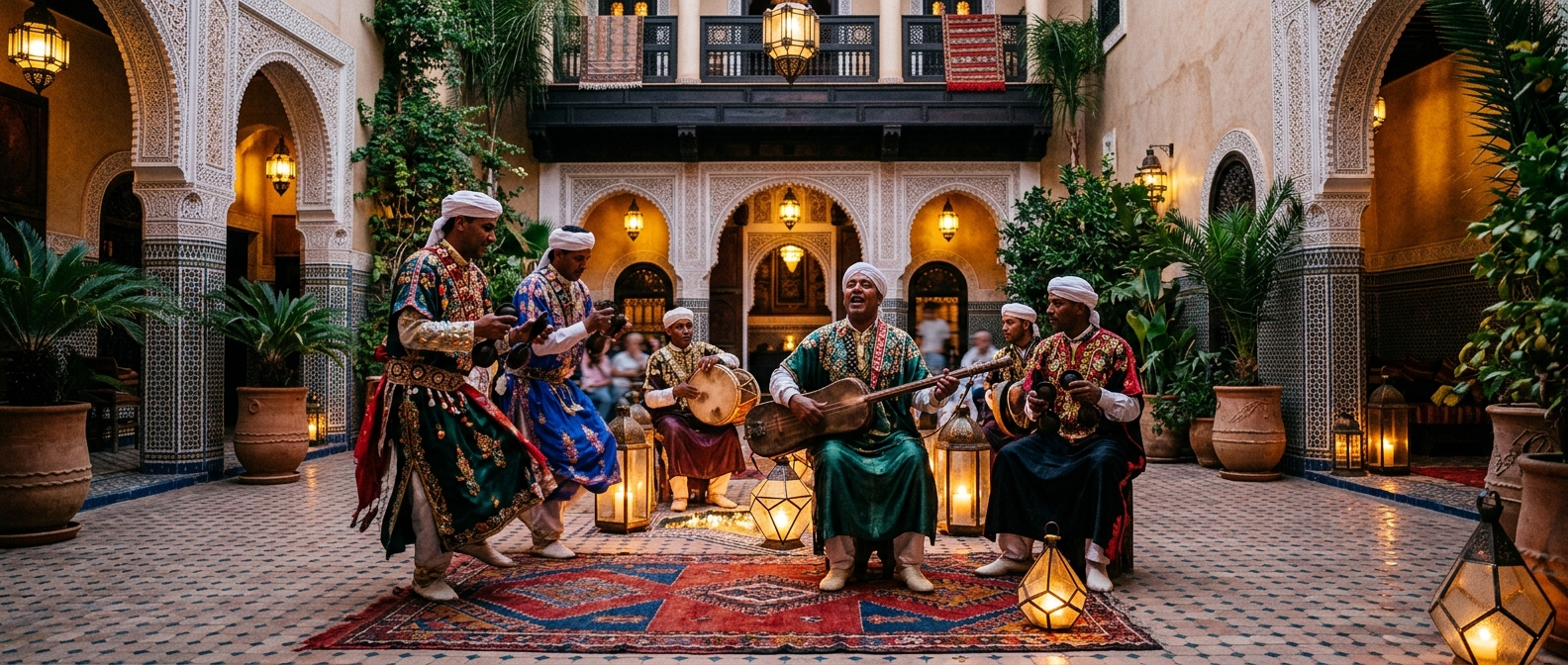
A Predominantly Sunni Muslim Nation
Islam arrived in Morocco in the late 7th century with the Arab expansion across North Africa, and within a few generations it became the defining faith of the region. Today roughly 99% of Moroccans identify as Muslim, making Islam not only the official religion of the state but also the central organizing force of culture, law, and community life.
The overwhelming majority of Moroccan Muslims are Sunni. This places Morocco within the largest branch of Islam worldwide, sharing core beliefs with Muslims from Indonesia to Egypt: the oneness of God, the prophethood of Muhammad, the authority of the Quran, and the practice of the Five Pillars.
The Maliki School of Jurisprudence
What distinguishes Moroccan Islam from many other Sunni populations is its near-universal adherence to the Maliki madhhab, one of the four classical schools of Sunni legal thought. Named after the 8th-century scholar Imam Malik ibn Anas of Medina, the Maliki school emphasizes the living practice of the early Muslim community as a source of religious guidance alongside the Quran and the sayings of the Prophet.
The Maliki tradition has historically been associated with a measured, community-centered approach to religious life. Combined with Ash'ari theology and a strong current of Sufi spirituality, it forms what Moroccan authorities describe as the country's enduring religious identity, often summarized as the union of Maliki law, Ash'ari creed, and Sufi practice.
The Five Pillars in Daily Life
The Five Pillars of Islam structure the religious lives of most Moroccans. The declaration of faith (shahada), the five daily prayers (salat), almsgiving (zakat), fasting during Ramadan (sawm), and the pilgrimage to Mecca (hajj) for those who are able are all widely observed.
Prayer is woven into the rhythm of the day. Five times daily, the call to prayer rises from minarets across cities and villages alike. Mosques fill for Friday congregational prayer, when shops may close and families gather. These practices are visible reminders that faith is not confined to a single day of the week but is part of the texture of ordinary life.
The King as Commander of the Faithful
A distinctive feature of Moroccan Islam is the religious authority of the monarch. The king of Morocco holds the title Amir al-Mu'minin, or Commander of the Faithful, a designation that links the throne to the spiritual leadership of the nation. The ruling Alaouite dynasty traces its lineage to the Prophet Muhammad, lending the monarchy an additional layer of religious legitimacy.
This role gives the king a unique position as both head of state and a recognized religious guardian. It has historically allowed the monarchy to play a stabilizing role in religious affairs, overseeing the training of imams, the management of mosques, and the promotion of a moderate interpretation of Islam.
Ramadan and the Religious Calendar
Ramadan, the month of fasting, is the most visible expression of communal faith in Morocco. From dawn to sunset Muslims abstain from food, drink, and other physical needs, breaking the fast each evening with the iftar meal, traditionally beginning with dates and harira soup. The pace of daily life shifts: working hours change, evenings come alive, and mosques host extended nightly prayers.
Other key moments in the religious calendar include Eid al-Fitr, which marks the end of Ramadan, and Eid al-Adha, the festival of sacrifice. The birthday of the Prophet, known as Mawlid, is also widely celebrated, often with special foods, recitations, and gatherings.
A Living, Diverse Tradition
While the broad framework of Moroccan Islam is consistent, its expression varies across regions, generations, and social settings. In rural areas and small towns, devotion to local saints and brotherhoods remains strong, while urban centers reflect a wider spectrum from deeply observant to more secular outlooks.
Morocco has long presented itself as a model of moderate Islam, emphasizing tolerance and coexistence. The state actively trains religious scholars, including women known as morchidat who serve as spiritual guides, and promotes an interpretation of the faith rooted in scholarship and social harmony.
| Element | Description |
|---|---|
| Branch | Sunni Islam (around 99% of population) |
| Legal school | Maliki madhhab |
| Theology | Ash'ari creed |
| Spiritual current | Strong Sufi tradition |
| Religious authority | King as Amir al-Mu'minin (Commander of the Faithful) |
Core elements of Moroccan Islam
FAQ
What religion is most common in Morocco?
Islam is by far the most common religion in Morocco, practiced by roughly 99% of the population, and it is the official religion of the state.
Which branch of Islam do Moroccans follow?
Most Moroccans are Sunni Muslims who follow the Maliki school of jurisprudence, combined with Ash'ari theology and a strong Sufi spiritual tradition.
Why is the king called Commander of the Faithful?
The Moroccan king holds the title Amir al-Mu'minin, or Commander of the Faithful, reflecting his role as a religious guardian and the Alaouite dynasty's claimed descent from the Prophet Muhammad.
Loved this? Useful? React below — your feedback helps other readers.