Is Morocco Safe to Visit in Summer 2026? An Honest, Up-to-Date Guide
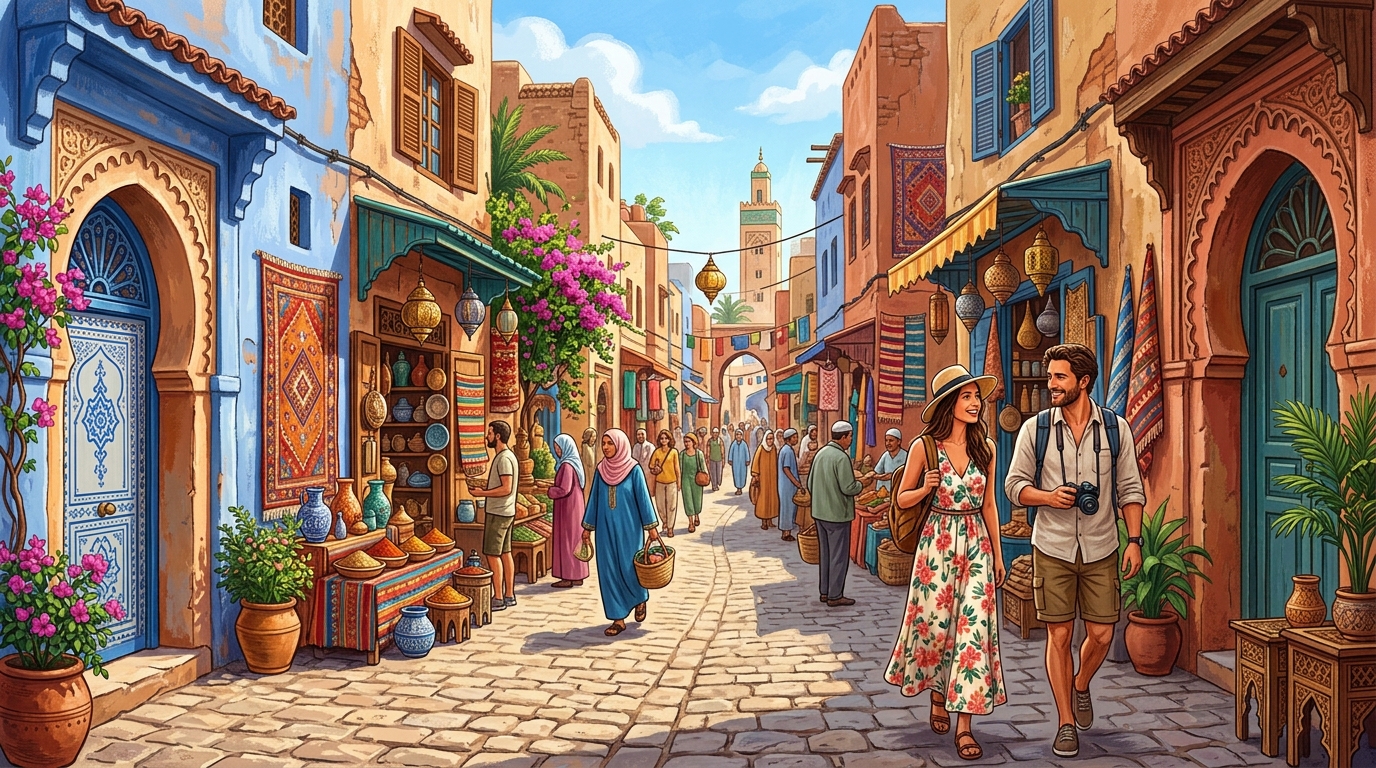
The Big Picture on Safety
Morocco is one of the more stable and welcoming destinations in the region, and millions of tourists visit each year without incident. Violent crime against visitors is uncommon, and the country invests heavily in tourism and visible policing in major cities and tourist zones, so most travellers feel comfortable quickly.
That said, no destination is risk-free, and the realistic concerns in Morocco are mundane rather than dramatic: petty theft, persistent street vendors, and the occasional scam. Treat Morocco with the same street smarts you would apply in any busy unfamiliar city and you will be fine.
Scams and Hassle to Watch For
The most common annoyances are unofficial 'guides' who attach themselves to you in the medina, vendors quoting inflated prices, and taxi drivers who avoid the meter. None of this is dangerous, but it can wear on you. A firm, polite 'la, choukran' (no, thank you) and walking on usually settles it.
Agree taxi fares before you set off or insist on the meter, be wary of anyone steering you toward a particular shop or tannery, and keep valuables secure in crowded souks. Pickpocketing is the realistic petty-crime risk, so a zipped bag worn in front and a little vigilance handle most situations.
The Heat Is the Real 2026 Concern
This summer, the most pressing safety issue is not crime but climate. A severe Chergui heatwave pushed inland temperatures past 47C in late June 2026, and extreme heat poses genuine health risks, especially for the elderly, children and anyone with health conditions.
Plan around it. Favour coastal cities like Essaouira, Rabat and Agadir, which stay cooler, schedule outdoor sightseeing for early morning or evening, and hydrate constantly. Heat exhaustion and heatstroke are preventable with shade, water and sensible timing, so build your itinerary around the cool hours.
Practical Tips for a Smooth Trip
Dress modestly to respect local norms, particularly outside beach resorts and tourist hubs; women may feel more comfortable with shoulders and knees covered. Carry a scarf for sun and for visiting religious or conservative areas, and keep a copy of your passport separate from the original.
Use registered taxis or reputable ride apps where available, keep some cash for small purchases since not everywhere takes cards, and save local emergency numbers. With the big festivals, Gnaoua in Essaouira and Mawazine in Rabat, drawing crowds, book accommodation early and stay aware in dense gatherings.
Frequently asked
Is Morocco safe for tourists in summer 2026?
Yes, broadly. Violent crime against tourists is rare. The main issues are petty scams and pushy vendors, plus the extreme late-June 2026 heatwave, all manageable with normal precautions.
Is Morocco safe for solo female travellers?
Many solo women travel in Morocco safely, but you may face more attention or hassle. Dressing modestly, being assertive, and avoiding isolated areas at night all help reduce unwanted attention.
What is the biggest safety risk in Morocco right now?
In summer 2026 the standout risk is the extreme heat from the Chergui heatwave, which pushed inland temperatures past 47C. Hydration, shade and cool-hour planning are essential.