Imilchil Marriage Festival Explained
The Legend Behind the Festival
Local lore tells of two young lovers from rival clans who were forbidden to marry. Heartbroken, they wept so much that their tears formed the nearby lakes of Isli (his) and Tislit (hers), whose names mean groom and bride. In their memory, families agreed to set aside days when young people could choose partners more freely.
While the story is legend, it frames the festival's enduring romantic reputation and explains why it became associated with courtship and marriage in this remote mountain region.
What Actually Happens
In practice the moussem is primarily a large seasonal souk and tribal gathering. Thousands of Ait Hadiddou and neighbouring communities descend on Imilchil to trade livestock, food, textiles and household goods before winter sets in.
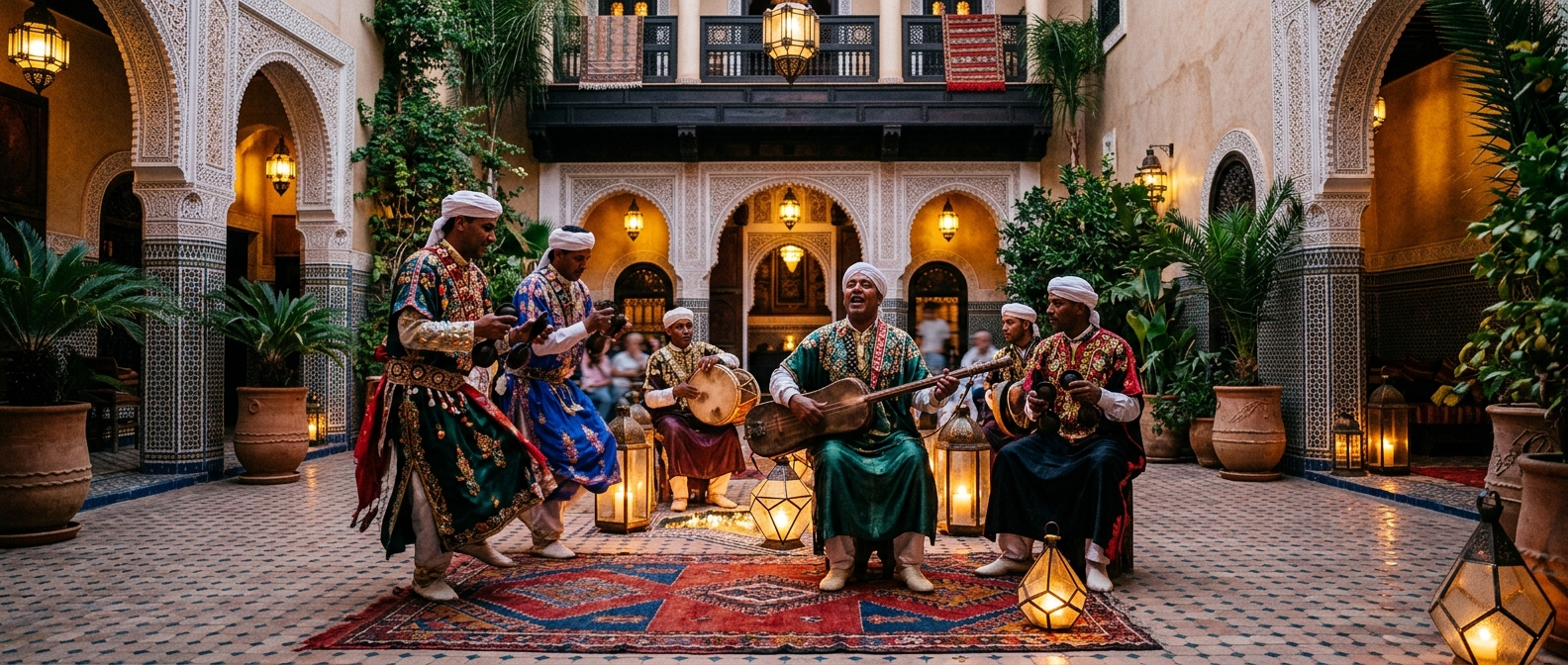
Music, ahidous dancing and feasting accompany the trade. Historically, betrothals were arranged or confirmed during the gathering, which is why it became known internationally as a marriage festival.
The Marriage Tradition Today
The romantic image of mass weddings is partly amplified for tourism, and the reality is more about social mixing and family negotiations than spontaneous matchmaking. Some couples do formalise engagements at the event, often within established family arrangements.
Visitors should treat the marriage aspect respectfully rather than as a spectacle. The festival's deeper significance is as a vital economic and cultural meeting point for isolated mountain communities.
Where Imilchil Is and Getting There
Imilchil sits high in the central High Atlas, in a remote area between the Middle Atlas and the Sahara fringe. Access is via winding mountain roads, and journeys from cities like Marrakech, Fez or Errachidia are long and best done with a capable vehicle or guided tour.
The altitude means cool nights even in September, and basic infrastructure, so travellers should arrive prepared and not expect resort-style facilities.
When It Happens
The festival is usually held in September, after the summer harvest and before winter isolates the region. Exact dates shift each year and are announced relatively close to the event, partly depending on agricultural and weather conditions.
Because it is a working market as much as a celebration, the atmosphere is authentic and unpolished, appealing to travellers seeking traditional rather than commercialised experiences.
Tips for Respectful Visiting
Dress warmly and modestly, bring cash, and prepare for limited amenities. Always ask permission before photographing people, especially women, and be mindful that this is a community event, not a staged show.
Hiring a local guide enriches the experience and supports the community, while helping you understand the customs and avoid unintentional offence.
| Detail | Information |
|---|---|
| Location | Imilchil, High Atlas |
| People | Ait Hadiddou Amazigh tribe |
| Typical timing | September |
| Core activity | Regional souk, music, betrothals |
| Legend | Lakes Isli and Tislit |
Imilchil Marriage Festival quick facts
FAQ
Do mass weddings really happen at Imilchil?
The marriage angle is partly amplified for tourism. Some engagements are confirmed there, but the event is mainly a large tribal market and social gathering, not a spontaneous mass wedding.
How hard is it to reach Imilchil?
It is remote, high in the Atlas, and reached by long winding mountain roads. A guided tour or capable vehicle is recommended, and facilities are basic.
What should I wear?
Dress modestly and warmly, as nights are cold at altitude even in September. Respect local customs and ask before taking photos of people.
Loved this? Useful? React below — your feedback helps other readers.