Fes Medina Guide: World's Largest Car-Free City
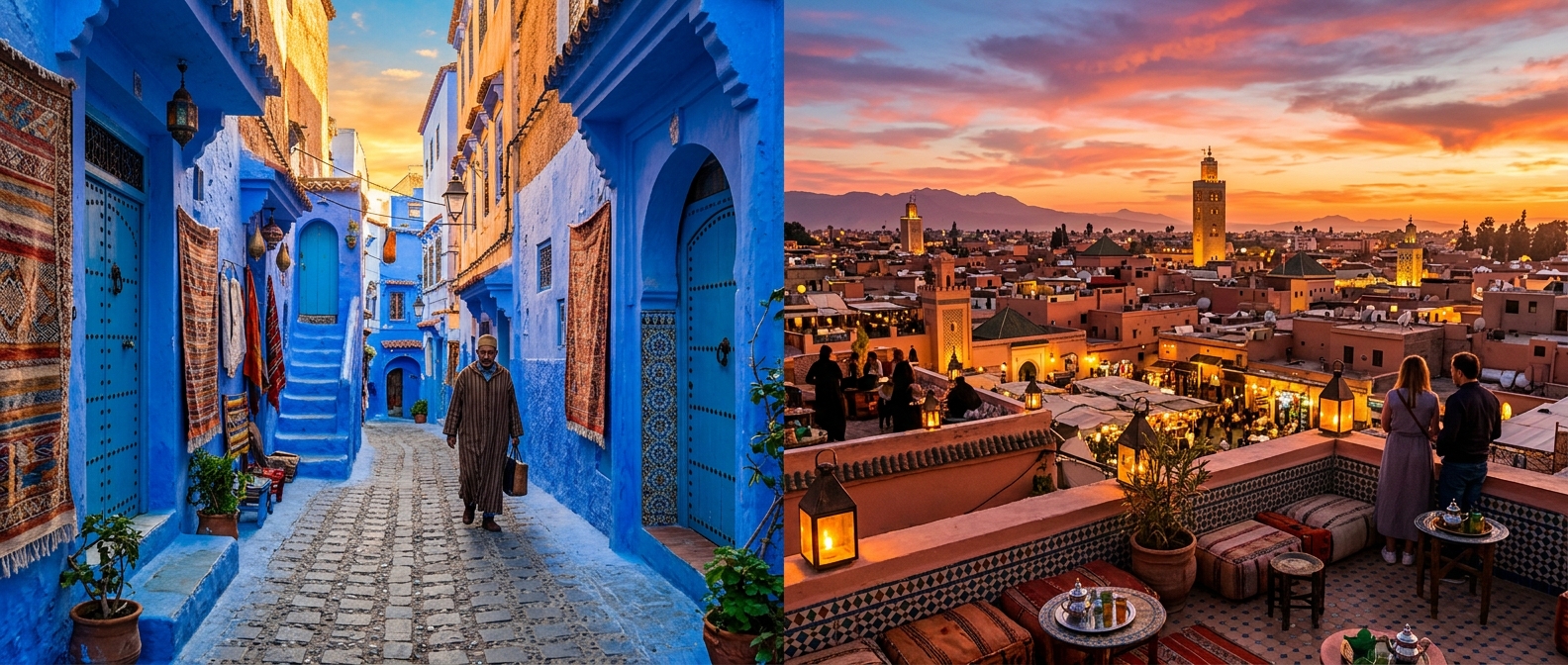
The World's Largest Car-Free Medina
Fes el-Bali, the old medina of Fes, is a UNESCO World Heritage Site and one of the best-preserved medieval cities in the Arab world. Its labyrinth of thousands of pedestrian alleys is too narrow for cars, so goods still move by handcart and donkey, making it one of the largest car-free urban zones on Earth.
Founded in the 9th century, Fes was long Morocco's intellectual and spiritual capital. Getting lost is part of the experience, but the maze can be disorienting, so a half-day with a licensed local guide is a smart way to get oriented before exploring on your own.
The Tanneries and Crafts
The Chouara tanneries are Fes's most iconic sight, where leather is still processed in stone vats of natural dyes using methods that date back centuries. Surrounding leather shops offer terrace viewpoints overlooking the colorful pits; you'll often be handed a sprig of mint to soften the strong smell.
Fes remains a powerhouse of Moroccan craft. The medina is organized by trade, with quarters dedicated to metalwork, ceramics, weaving and woodwork. The Seffarine square rings with the sound of coppersmiths, and workshops welcome visitors interested in traditional artisanship.
Mosques, Medersas and Monuments
The Al-Qarawiyyin, founded in 859, houses a mosque and a library often described as among the oldest existing educational institutions in the world. While the mosque interior is reserved for Muslims, its scale and surrounding architecture are remarkable.
Don't miss the Bou Inania and Al-Attarine medersas, former Quranic schools displaying exquisite zellige tilework, carved plaster and cedar. The grand Bab Bou Jeloud, the ornately tiled Blue Gate, makes a fitting entrance to this part of the medina.
Practical Tips for Visiting Fes
Wear comfortable shoes for uneven, hilly lanes, and keep valuables secure in crowded areas. Be polite but firm with unofficial guides who offer to lead you, and agree on any price in advance for guides or porters.
Two days is a good amount of time to explore Fes el-Bali, the newer Fes el-Jdid and the Mellah (Jewish quarter), with views from the Marinid Tombs above the city. Spring and autumn are most comfortable, as summers are hot. Fes connects easily by train to Casablanca, Rabat and Marrakech.
| Sight | What It Is | Note |
|---|---|---|
| Chouara Tanneries | Centuries-old leather dyeing | View from shop terraces |
| Al-Qarawiyyin | Mosque & historic university | Interior for Muslims only |
| Bou Inania Medersa | 14th-century Quranic school | Open to visitors |
| Bab Bou Jeloud | Ornate Blue Gate | Main medina entrance |
Key sights in the Fes medina
FAQ
Is Fes really car-free?
Yes. Fes el-Bali, the old medina, is too narrow for cars and is considered the world's largest car-free urban area. Goods are transported by handcart and donkey through its thousands of pedestrian lanes.
Do I need a guide in the Fes medina?
A licensed guide is helpful for a first visit because the medina is a vast, disorienting maze. A half-day guided tour gives you orientation and context, after which many travelers enjoy exploring on their own.
How long should I spend in Fes?
Two days is ideal to see the tanneries, medersas, souks and main monuments without rushing. It also allows time for the Mellah and the viewpoint from the Marinid Tombs.
Loved this? Useful? React below — your feedback helps other readers.