AS FAR Rabat: The Army Club
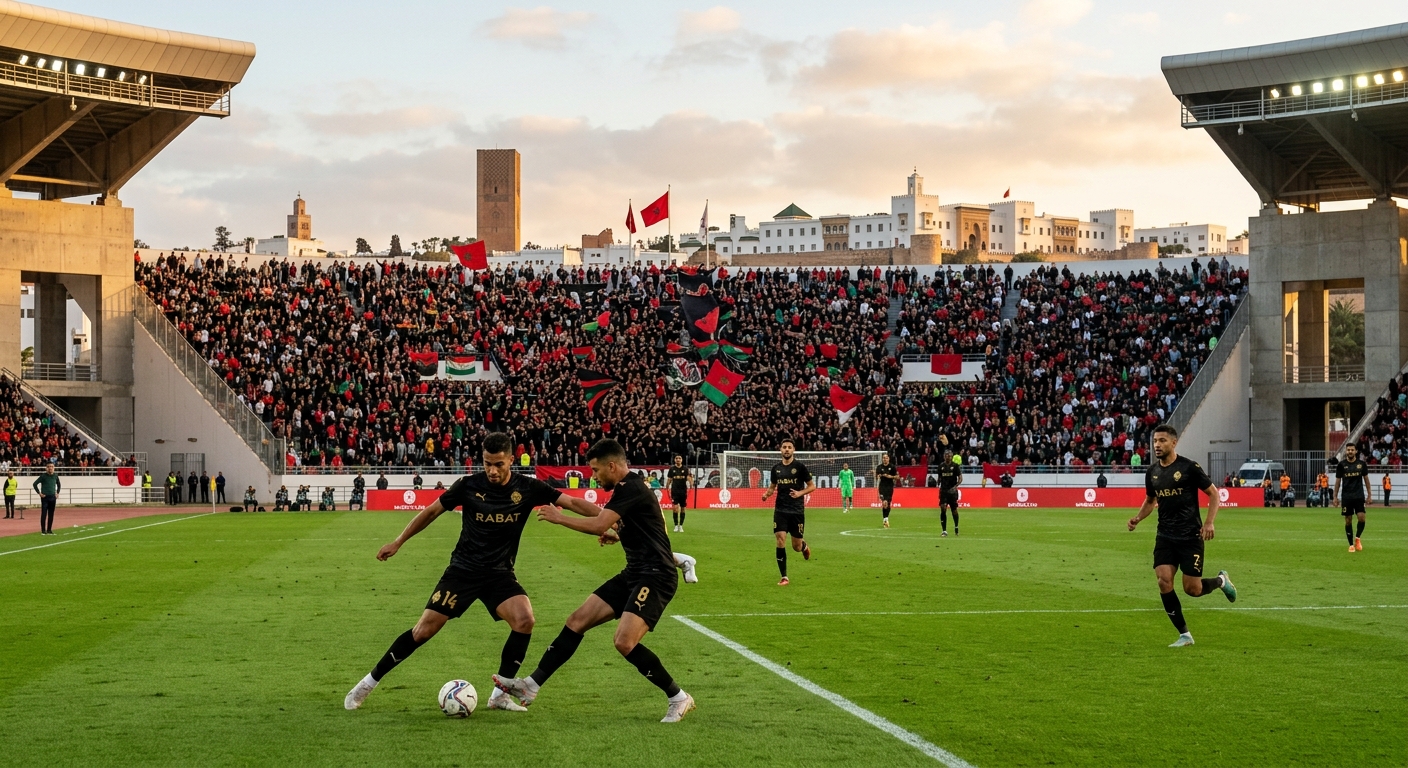
The Club of the Armed Forces
Association Sportive des Forces Armées Royales, universally known as AS FAR, is the sports club of Morocco's Royal Armed Forces. Founded in 1958, shortly after the country's independence, the club was established as the athletic arm of the newly formed national military, and football quickly became its flagship discipline.
Based in Rabat, the administrative and political capital of Morocco, AS FAR occupies a distinct position in the national footballing landscape. Where Raja and Wydad are the great clubs of commercial Casablanca, AS FAR is the institution of the capital, backed by the prestige and resources of the armed forces.
This military backing gave AS FAR significant advantages in its formative decades, allowing it to assemble strong, disciplined squads and build a tradition of success. The club's identity as the Army Club — les Militaires — remains central to how it is perceived across Morocco.
AS FAR is a multi-sport institution, with successful sections across numerous disciplines, but it is the football team that has carried the club's name to the forefront of Moroccan and African sport over more than six decades.
Pioneers of Continental Success
AS FAR holds a historic distinction in Moroccan football: it was the first Moroccan club to conquer the continent. The club won the African Cup of Champions Clubs, the forerunner of today's CAF Champions League, in the 1980s, becoming the trailblazer for Moroccan success in African club competition.
This pioneering triumph paved the way for the later continental glories of Raja and Wydad. AS FAR demonstrated that a Moroccan club could rule Africa, and in doing so it cemented its place in the history of both Moroccan football and the broader African game.
The achievement carried particular significance given AS FAR's identity as the army club, turning the continental title into a moment of national pride. It remains one of the proudest chapters in the club's long history and a foundational moment for Moroccan club football's continental ambitions.
AS FAR's status as the first Moroccan champions of Africa gives the club a unique place in the national footballing story, one that no subsequent triumph by its Casablanca rivals can erase.
Domestic Honours
On the domestic front AS FAR has been one of the most successful clubs in Moroccan history, accumulating a substantial number of Botola Pro titles. The club enjoyed periods of sustained dominance, particularly in the decades following independence when its military backing gave it a competitive edge.
AS FAR has also been a frequent winner of the Moroccan Throne Cup, adding knockout silverware to its league titles. The combination of championships and cups places the club firmly among Morocco's traditional big three alongside Raja and Wydad.
While the modern era has seen the Casablanca giants and emerging provincial clubs share much of the spotlight, AS FAR has remained a consistent contender, periodically reasserting itself at the top of Moroccan football and adding fresh honours to its historic collection.
The club's domestic record, spanning the entire history of independent Morocco's championship, makes AS FAR an indispensable part of the Botola's story and a permanent fixture among the country's footballing elite.
The Black Army Ultras
AS FAR's supporters are organised into passionate ultras groups, most notably the Black Army, whose name and colours reflect the club's distinctive black playing kit. The Black Army brings colour, noise and choreography to AS FAR's matches, contributing to Morocco's vibrant terrace culture.
While the Casablanca clubs are often associated with the largest and most internationally famous ultras movements, AS FAR's support is fervent and deeply loyal, sustaining the club through the generations and providing a passionate backdrop at the club's home matches in Rabat.
The Black Army's displays add to the spectacle of Moroccan football and reflect the broader phenomenon of organised, choreographed support that has come to define the country's stadiums in the modern era.
As with other Moroccan ultras groups, the Black Army's passion is a defining feature of the club's matchday experience, helping to maintain AS FAR's identity and connection with its supporters in the capital and beyond.
AS FAR and the Capital
As Rabat's foremost club, AS FAR carries the footballing pride of the Moroccan capital. Rabat is the seat of government and home to major national institutions, and AS FAR's presence gives the city a flagship football club to rival the giants of Casablanca.
The club plays its football in Rabat's stadiums, including venues that have been modernised as part of Morocco's broader investment in football infrastructure. The capital's role in Morocco's tournament-hosting ambitions ensures that its facilities are kept at a high standard.
AS FAR's standing in Rabat reinforces the geographic spread of Moroccan football's elite, ensuring that the top of the game is not monopolised entirely by Casablanca. The club provides a focal point for football passion in the political heart of the nation.
This capital-city identity, combined with its military backing, gives AS FAR a distinctive profile within Moroccan football — an institution of state and capital set against the populous, commercial energy of the Casablanca clubs.
A Tradition of Discipline
AS FAR's connection to the armed forces has long shaped its identity, lending the club an image of discipline, structure and institutional strength. In its dominant decades this organisational backing translated into well-drilled teams and a stable platform for success.
The club's military roots distinguish it from its rivals and have contributed to a particular ethos. AS FAR has historically been seen as a club of order and tradition, an image that complements the prestige of its capital-city location.
This institutional foundation provided AS FAR with advantages in player recruitment and retention during its golden eras, when association with the armed forces could shape the careers and opportunities of footballers in the post-independence period.
While Moroccan football has professionalised and the competitive landscape has evolved, AS FAR's heritage as the disciplined, institutionally-backed army club remains a defining strand of its identity and a source of pride for its supporters.
Players and the National Team
Throughout its history AS FAR has produced and showcased numerous Moroccan internationals, contributing significantly to the Atlas Lions across the generations. The club's strong squads, particularly in its dominant decades, supplied the national team with quality players.
AS FAR's role in developing and platforming Moroccan talent has made it an important contributor to the national footballing ecosystem. Players who starred for the army club have gone on to represent Morocco at major tournaments and to forge careers at home and abroad.
The club's youth structures and its institutional resources have helped it nurture and attract talent, reinforcing its position as a producer of footballers as well as a winner of trophies. This contribution feeds into the broader strength of Moroccan football.
As Morocco's national team has risen to unprecedented heights, the traditional clubs like AS FAR that helped build the foundations of the domestic game can take pride in their long-standing contribution to the country's footballing story.
AS FAR in the Modern Era
In recent seasons AS FAR has reasserted itself as a leading force in Moroccan football, competing for the Botola Pro title and returning to prominence in continental competition. The club's revival has reminded the football world of the army club's enduring stature.
Modern Moroccan football's wave of investment — in stadiums, the professional league and youth development — provides a favourable environment for a historic club like AS FAR to flourish. The club has shown the ambition to capitalise on these improved conditions.
AS FAR's renewed competitiveness has restored its position in the conversation alongside Raja and Wydad, reaffirming that Moroccan football's elite extends beyond Casablanca to the capital. The club's continental campaigns once again carry Moroccan hopes in CAF competition.
With Morocco's footballing profile higher than ever ahead of the 2030 World Cup, AS FAR is well placed to build on its rich history and add new chapters of success in the years to come.
Why AS FAR Matters
AS FAR Rabat is a cornerstone of Moroccan football history. As the first Moroccan club to win continental honours, it blazed the trail that Raja and Wydad would later follow, and its pioneering triumph remains a landmark in the story of African club football.
The club's identity as the army club of the capital gives it a unique place in Morocco's footballing landscape, distinct from the commercial energy of the Casablanca giants. AS FAR represents tradition, discipline and institutional prestige.
With a substantial collection of domestic titles and cups, AS FAR ranks firmly among Morocco's traditional big three. Its renewed competitiveness in the modern era demonstrates the enduring strength of one of the country's great football institutions.
For anyone seeking to understand the full scope of Moroccan football ahead of the 2030 World Cup, AS FAR Rabat is essential. The Army Club's history, honours and pioneering role make it an indispensable part of the national footballing story.
| Attribute | Detail |
|---|---|
| Full name | Association Sportive des Forces Armées Royales |
| Founded | 1958 |
| City | Rabat, Morocco |
| Affiliation | Royal Armed Forces (army club) |
| Nickname | The Army Club / Les Militaires |
| Main ultras | Black Army |
| Historic first | First Moroccan club to win African Cup of Champions Clubs |
| Status | One of Morocco's traditional big three |
AS FAR Rabat key facts
FAQ
What does AS FAR stand for?
AS FAR stands for Association Sportive des Forces Armées Royales, the sports club of Morocco's Royal Armed Forces, based in the capital Rabat.
Why is AS FAR called the army club?
AS FAR was founded in 1958 as the athletic arm of Morocco's newly formed Royal Armed Forces. Its military backing and identity earned it the nickname the Army Club, or Les Militaires.
What is AS FAR's biggest continental achievement?
AS FAR was the first Moroccan club to win the African Cup of Champions Clubs, the forerunner of the CAF Champions League, claiming the title in the 1980s and pioneering Moroccan continental success.
Where is AS FAR based?
AS FAR is based in Rabat, Morocco's administrative and political capital, where it serves as the city's flagship football club, distinct from the Casablanca giants Raja and Wydad.
Who are AS FAR's ultras?
AS FAR's principal ultras group is the Black Army, named after the club's distinctive black kit. They provide passionate, choreographed support at the club's matches in Rabat.
Loved this? Useful? React below — your feedback helps other readers.