Darija Shopping Phrases (Souk & Stores)
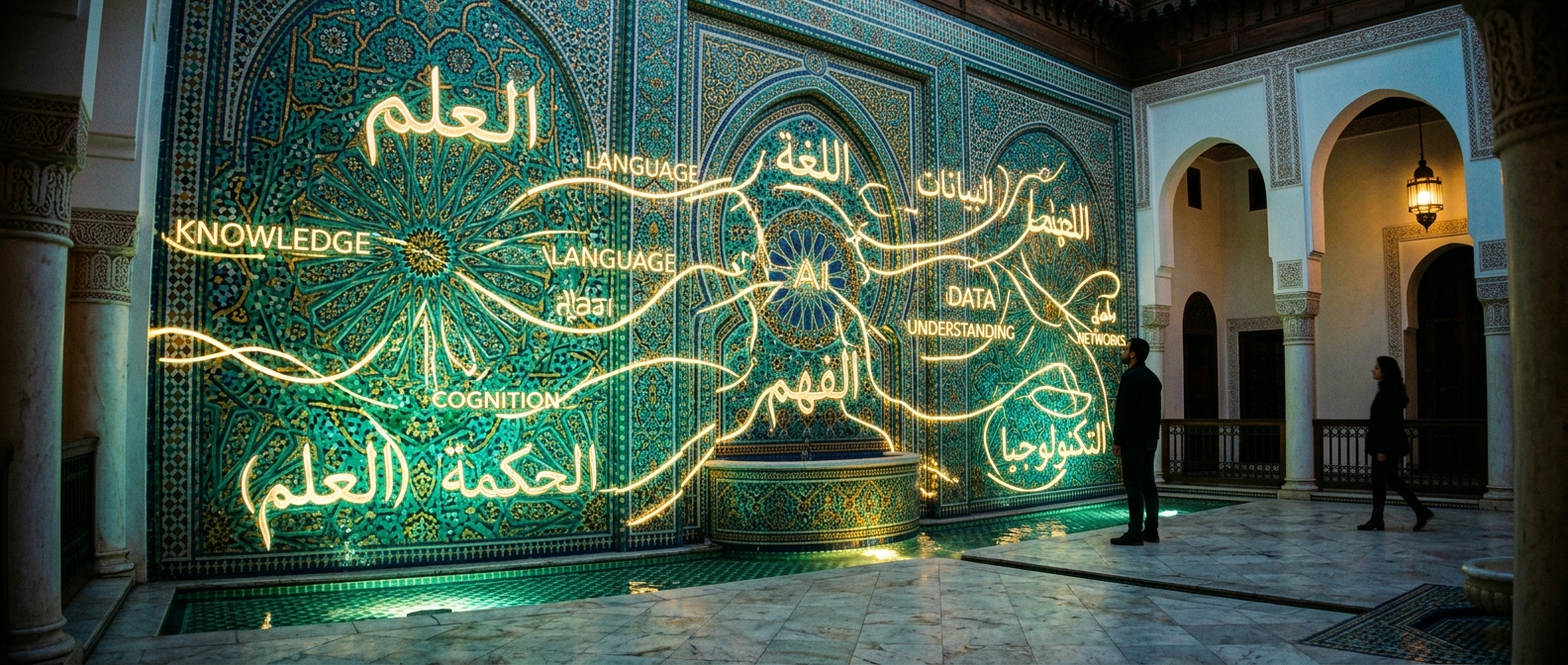
The Art of the Moroccan Souk
Shopping in a Moroccan souk is a cultural experience, not just a transaction. Bargaining is the norm for crafts, rugs, leather, spices and souvenirs, and it is meant to be playful rather than tense. Vendors expect it and respect a buyer who negotiates with a smile.
Fixed-price stores exist too, especially supermarkets and pharmacies, where haggling is inappropriate. Knowing when to bargain and when to pay the marked price keeps you culturally smooth. A few Darija phrases instantly mark you as a savvier shopper and often lower the opening price.
Asking the Price
Open with bsh7al hada? (how much is this?) or bsh7al? for short. To ask about a specific item, point and say bsh7al hadak? (how much is that one?). For per-unit items like spices or fruit, ask bsh7al lkilo? (how much per kilo?).
Listen carefully to the number, and if unsure, repeat it back as a question. Be aware some sellers quote in old rial units, so if a price sounds wild, ask b derhem? (in dirhams?). Knowing your numbers, covered in our numbers guide, is essential here.
The Bargaining Dance
When the first price comes, react with ghali bzaf (too expensive), often with a friendly laugh. Then counter low with your offer: na3tik... (I will give you...) plus a number. The seller counters, and you meet in the middle. Naqes shwiya 3afak means lower it a little, please.
A classic tactic is walking away slowly while saying ma bghitsh, shukran (I do not want it, thanks). Often the seller calls you back with a better price. Aim to land somewhere between fifty and seventy percent of the first quote for tourist crafts, depending on the item.
Describing What You Want
Help the seller help you with descriptive words. Bghit (I want) plus the item starts it. Colors: a7mar (red), azreq (blue), akhḍar (green), sfer (yellow), byed (white), k7el (black). Size words: kbir (big) and sghir (small). Bzaf means too much and shwiya means a little.
To ask for alternatives, say kayn lon akhor? (is there another color?) or kayn kbir? (is there a bigger one?). To check quality, point and ask wash hada zwin? (is this nice or good?). For something cheaper, ask kayn shi 7aja rkhisa? (is there something cheaper?).
Closing the Deal and Paying
When you agree on a price, confirm with wakha (okay, deal) and a handshake or nod. To finalize, say khdit hada (I will take this). Ask the total with bsh7al kollchi? (how much for everything?) if buying several items, since bulk often earns a discount.
Pay with cash, as many souk vendors do not take cards. Have small bills ready and ask 3andek sarf? (do you have change?) for large notes. To request a bag, say bghit sak 3afak. A friendly shukran and bslama at the end keeps the relationship warm for any return visit.
Tips for Confident, Fair Shopping
Decide your maximum price before you start and stick to it calmly. Never name a price you are unwilling to pay, because a seller may accept instantly and you are then expected to buy. Bargaining is a commitment, not a game with no consequences.
Compare a few stalls before buying to learn the real range. Shopping in the morning can mean better deals, since the first sale of the day, called rze9, is considered lucky. Above all, keep it friendly, because a relaxed, smiling negotiation gets you the best price in Morocco.
| English | Darija | Arabic |
|---|---|---|
| How much is this? | bsh7al hada? | بشحال هادا؟ |
| Too expensive | ghali bzaf | غالي بزاف |
| Lower it a little | naqes shwiya 3afak | نقص شوية عافاك |
| I'll give you... | na3tik... | نعطيك |
| Okay, deal | wakha | واخا |
| I don't want it | ma bghitsh | ما بغيتش |
| Is there cheaper? | kayn shi rkhis? | كاين شي رخيص؟ |
| Another color? | kayn lon akhor? | كاين لون آخر؟ |
| Big | kbir | كبير |
| Small | sghir | صغير |
| I'll take this | khdit hada | خديت هادا |
| A bag, please | bghit sak 3afak | بغيت ساك عافاك |
Shopping and bargaining Darija phrases
FAQ
Is bargaining expected everywhere in Morocco?
Bargaining is expected in souks for crafts, rugs and souvenirs, but not in supermarkets, pharmacies or fixed-price shops where you should pay the marked price.
How much should I offer below the first price?
For tourist crafts, counter around forty to fifty percent of the opening quote and aim to settle near fifty to seventy percent. Always stay friendly and patient.
What does naqes shwiya mean?
Naqes shwiya 3afak means lower it a little, please. It is the polite core phrase for nudging the price down during a friendly negotiation.
Can I pay by card in the souk?
Most souk vendors take only cash, so carry small bills and coins. Ask 3andek sarf? to check the seller has change for large notes.
Loved this? Useful? React below — your feedback helps other readers.