100 Essential Darija Phrases for Tourists
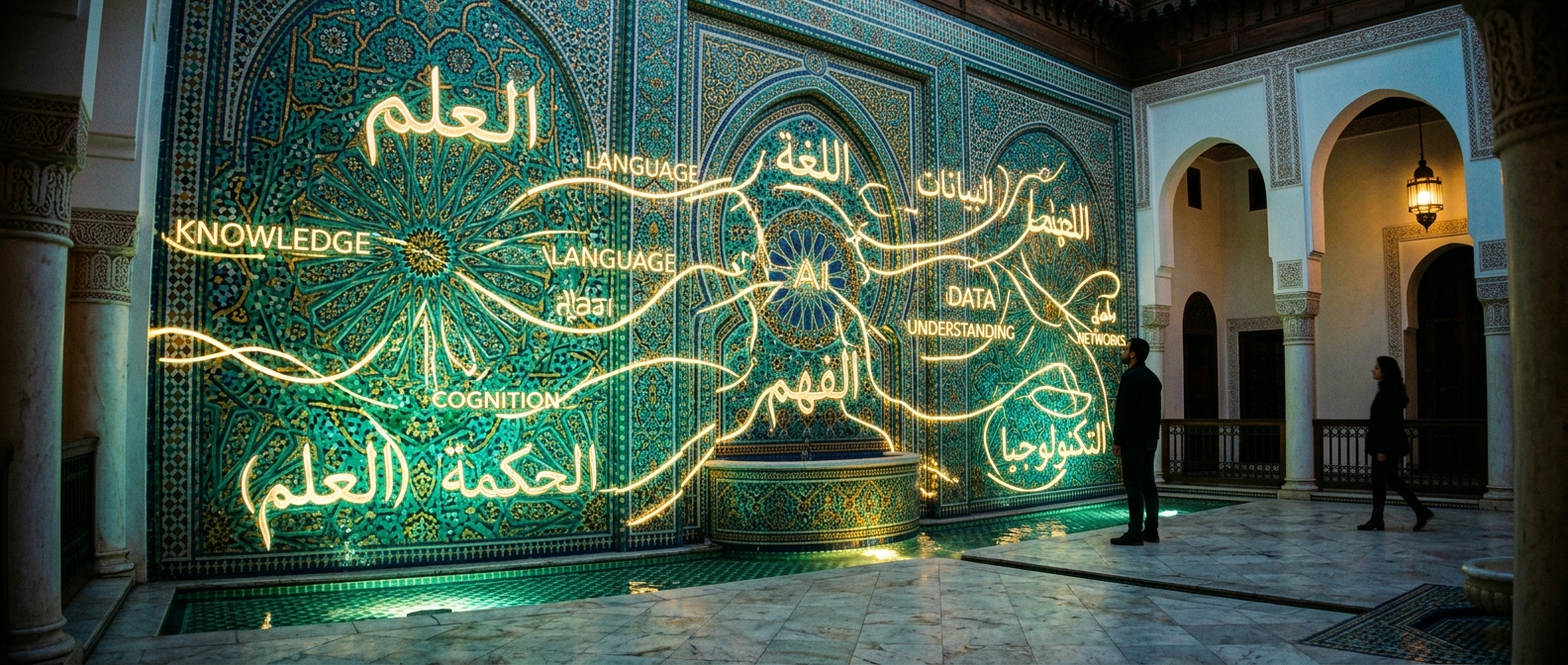
Why Darija Matters for Travelers in Morocco
Moroccan Arabic, known locally as Darija, is the spoken language of the streets, markets and homes across Morocco. While Modern Standard Arabic appears in newspapers and official documents, almost no one chats in it day to day. Darija blends classical Arabic with Amazigh (Berber), French and Spanish vocabulary, making it a distinct dialect that even Arabic speakers from the Middle East struggle to follow.
For a tourist, even a handful of Darija phrases unlocks warmth and goodwill that English or French cannot. Vendors lower their guard, taxi drivers smile, and shopkeepers offer you mint tea. You do not need fluency. A confident salam and a polite shukran signal that you respect the culture, and Moroccans are famously generous to anyone who tries.
Greetings and Polite Words You Use Every Day
Start with salam or the fuller salam 3alaykum (peace be upon you). The reply is wa 3alaykum salam. To ask how someone is, say labas? or kidayr? (to a man) and kidayra? (to a woman). The standard answer is labas, l7amdullah (fine, thanks to God).
Politeness words carry you far. 3afak means please, shukran means thank you, and the warm reply is bla jmil (you are welcome, literally no obligation). Smel7 liya means excuse me or sorry. When you leave, say bslama (goodbye) or thala f rask (take care of yourself). Sprinkling l7amdullah and inshallah into conversation makes you sound natural and respectful.
Getting Around: Taxis, Directions and Numbers
Petit taxis are everywhere in Moroccan cities. Tell the driver where you want to go with bghit nmshi l... (I want to go to...) followed by your destination. Ask him to use the meter by saying khdem l contour 3afak. To stop, say wqef hna (stop here). Fin kayn...? means where is...?
Numbers are essential for fares and prices. Learn one to ten first: wa7ed, jouj, tlata, rb3a, khamsa, setta, seb3a, tmnya, ts3oud, 3ashra. Bsh7al? means how much? and ghali bzaf means too expensive, your key bargaining phrase.
Eating, Drinking and Cafe Culture
Moroccan cafe and food culture is central to daily life. To order, say bghit (I want) plus the item, such as bghit atay (I want tea) or bghit qahwa (I want coffee). The bill is l7sab 3afak. If a dish is delicious, tell the cook ldida bzaf and you will earn a grin.
Useful food words include lma (water), khobz (bread), l7em (meat), djaj (chicken), 7ut (fish) and khodra (vegetables). If you are vegetarian, say makanaklsh l7em (I do not eat meat). To say you are full and satisfied, use shb3t, shukran.
Shopping and Bargaining in the Souk
Bargaining is expected in the souk and is part of the fun, not a confrontation. Open with bsh7al hada? (how much is this?). When the first price comes, react with ghali bzaf (too expensive) and counter with naqes shwiya 3afak (lower it a little, please). A fair middle price ends with wakha (okay, deal).
Other handy phrases: kayn shi 7aja rkhisa? (is there something cheaper?), bghit hadak (I want that one) and ma bghitsh, shukran (I do not want it, thanks) to politely walk away. Walking away often brings the price down further.
Emergencies and Asking for Help
Hopefully you never need these, but they are worth memorizing. 3awnni 3afak means help me please, and the urgent shout is 3teqni or simply 3awn! To find a doctor say bghit tbib, and for the pharmacy ask fin kayna l farmasian?. The police is l bulis.
If you are lost, say tweddert (I am lost) and show your phone map. To explain you do not understand, use mafhemtsh, and to ask someone to speak slowly, say tkellem b shwiya 3afak. Kayn shi 7ad kayhder ngliziya? asks if anyone speaks English.
Tips to Practice and Remember These Phrases
Group phrases by situation rather than memorizing a long list. Practice the five you will use within the first hour of arrival: salam, shukran, 3afak, bsh7al and wakha. Repeat them out loud to taxi drivers and shopkeepers immediately, because real use cements memory faster than flashcards.
Do not fear mistakes. Moroccans will laugh kindly, correct you and often teach you the next word. Carry a small notebook or use your phone notes to jot new words you hear. Within a week of active effort, fifty phrases will feel automatic and your trip will transform.
| English | Darija | Arabic |
|---|---|---|
| Hello | salam | سلام |
| Thank you | shukran | شكرا |
| Please | 3afak | عافاك |
| Yes / Okay | wakha | واخا |
| No | la | لا |
| How much? | bsh7al? | بشحال؟ |
| Too expensive | ghali bzaf | غالي بزاف |
| Where is...? | fin kayn...? | فين كاين؟ |
| I want | bghit | بغيت |
| Help me | 3awnni | عاونّي |
| Excuse me / Sorry | smel7 liya | سمح ليا |
| Goodbye | bslama | بسلامة |
Top essential Darija phrases for tourists
FAQ
Is Darija the same as standard Arabic?
No. Darija is the spoken Moroccan dialect mixing Arabic, Amazigh, French and Spanish. It differs heavily from Modern Standard Arabic, so even Arabic speakers from the Middle East often cannot follow it.
Can I get by in Morocco with only English?
In major tourist areas and hotels you can manage with English or French, but learning basic Darija phrases earns warmth, better prices and richer interactions almost everywhere you go.
What is the most important Darija phrase to learn first?
Start with salam (hello), shukran (thank you) and 3afak (please). These three open doors instantly and signal respect for Moroccan culture.
What is Arabizi and why is it used here?
Arabizi is a way of writing Arabic with Latin letters and numbers, where 3 stands for ع, 7 for ح and 9 for ق. It lets travelers read Darija pronunciation without knowing the Arabic script.
Loved this? Useful? React below — your feedback helps other readers.