Cost of Living in Casablanca
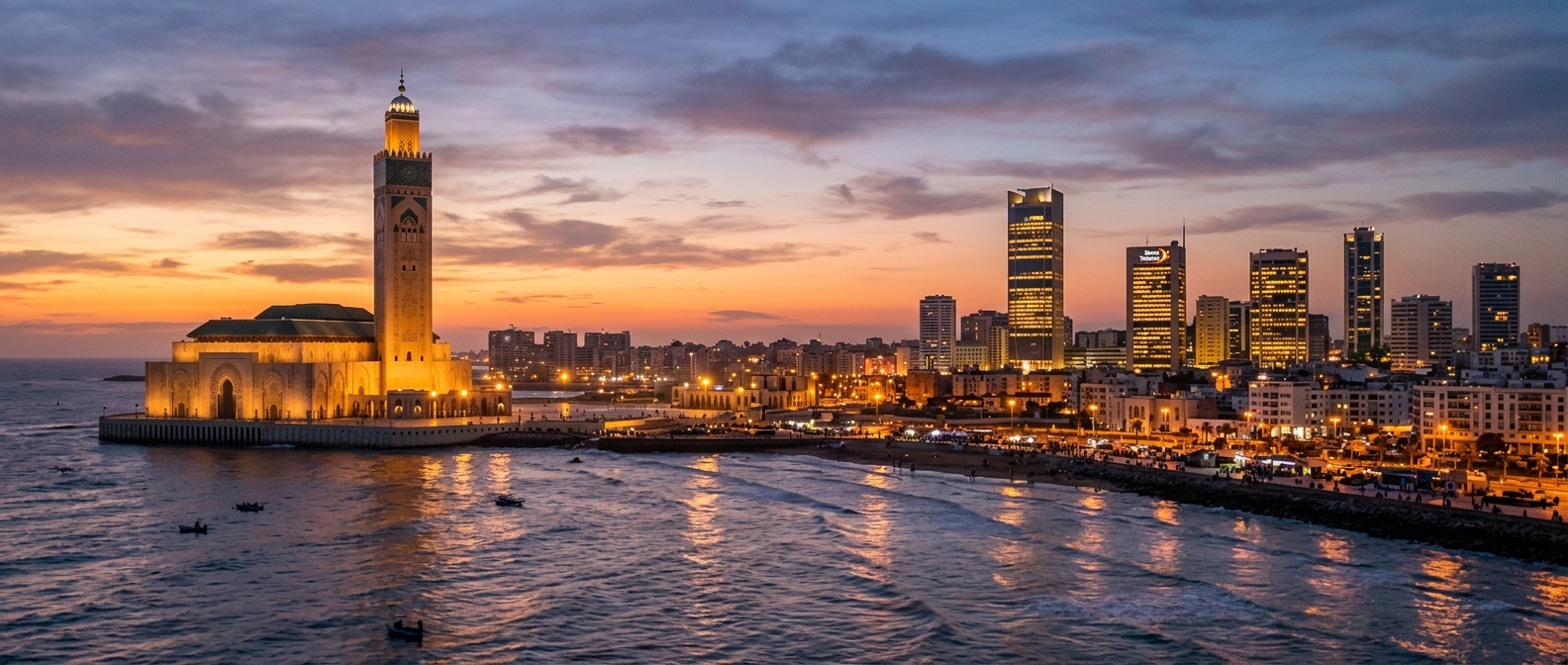
Casablanca in Context
As Morocco's economic capital and largest city, Casablanca sits at the top end of the country's cost range. It offers the widest choice of housing, international schools, restaurants and amenities, which is exactly why prices run higher than in smaller Moroccan cities.
Even so, by the standards of major European or North American cities, Casablanca remains affordable. Many expats find their money stretches considerably further here, especially for housing, domestic help and eating out at local establishments.
Housing and Rent
Rent is the largest expense for most expats. A one-bedroom apartment in a central, desirable neighbourhood typically costs more than an equivalent place in the suburbs or smaller cities. Furnished short-term rentals carry a premium over long-term unfurnished leases.
Popular expat areas such as the city centre, Gauthier, Maarif and beachside districts command higher rents, while more residential or outer neighbourhoods offer better value. Negotiating directly with landlords and signing longer leases can reduce monthly costs.
Food and Groceries
Local markets and Moroccan-brand groceries are inexpensive, especially fresh produce, bread and seasonal fruit. Eating at local restaurants and cafes is very affordable, while imported products and Western supermarkets cost noticeably more.
Expats who shop at local souks and cook at home spend far less than those who rely on imported brands and frequent upscale dining. A flexible approach to food is one of the easiest ways to control your budget.
Transport
Casablanca has a tramway, buses and abundant petit taxis, all of which are cheap by international standards. Many residents rely on taxis and ride-hailing for daily trips, which remain reasonable even with frequent use.
Owning a car adds fuel, insurance and parking costs, plus the hassle of city traffic. For many expats, a mix of taxis, the tram and occasional rentals is both economical and convenient.
Utilities and Connectivity
Electricity, water and gas are billed through national utilities and are generally affordable, though air-conditioning use in summer can push electricity bills up. Mobile data and home internet are inexpensive and widely available, which suits remote workers.
Many households also budget for domestic help, which is common and affordable in Casablanca. This is one area where expats often spend more than at home simply because the cost is so reasonable.
Building a Budget
A frugal single expat can live on a modest monthly budget, while a comfortable lifestyle with a central apartment, regular dining out and some imported goods costs more. Families and those wanting international schooling should plan for significantly higher figures.
Treat the ranges here as starting points. Your actual spending depends heavily on neighbourhood, lifestyle and how much you lean on local versus imported options.
| Item | Modest | Comfortable |
|---|---|---|
| 1-bed rent (central) | 5,000-7,000 | 8,000-13,000 |
| Groceries | 1,500-2,500 | 3,000-4,500 |
| Transport | 300-700 | 800-1,500 |
| Utilities & internet | 500-900 | 900-1,500 |
Indicative monthly costs in Casablanca (MAD)
FAQ
How much does a single expat need monthly in Casablanca?
A single expat might budget roughly 8,000 to 15,000 MAD per month for a comfortable lifestyle, depending on neighbourhood and habits. Frugal living is possible for less, while central apartments and frequent dining out push the figure higher.
Is Casablanca expensive compared to other Moroccan cities?
Yes, Casablanca is generally Morocco's most expensive city, driven by higher rents and more imported options. It still remains affordable relative to major European or North American cities.
What is the biggest expense for expats in Casablanca?
Rent is typically the largest expense, especially in central and beachside neighbourhoods. Choosing an outer area, signing a longer lease and negotiating directly with landlords can meaningfully lower this cost.
Loved this? Useful? React below — your feedback helps other readers.