Buying Moroccan Lamps & Lanterns
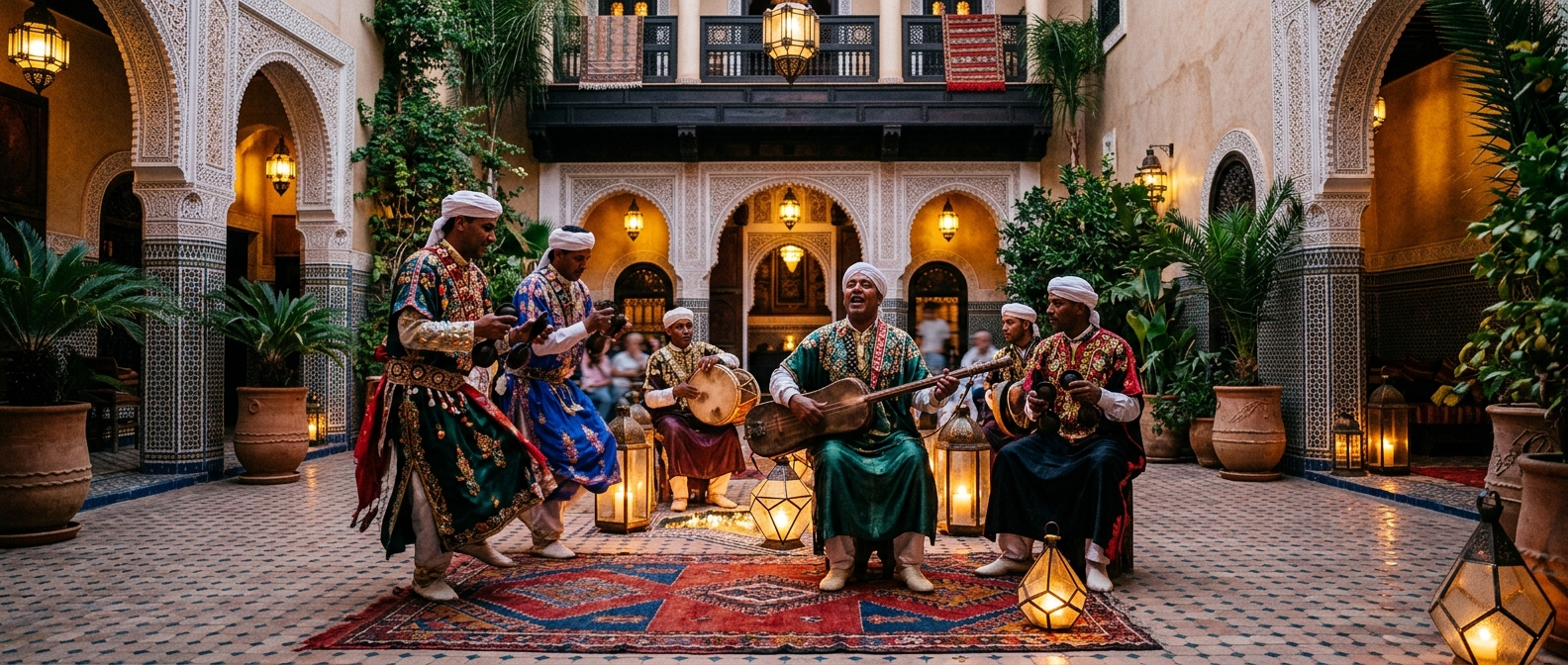
Types of Moroccan Lighting
Moroccan lighting falls into a few families. Pierced-metal lanterns (often brass or iron) cast dramatic shadow patterns and are used as hanging pendants or table pieces. Colored-glass lanterns set stained-glass panels into a metal frame, glowing in jewel tones when lit.
There are also henna-painted or beaten-metal table lamps, and large hanging mosque-style pendants for entryways. Decide whether you want shadow-casting (pierced metal) or a colored glow (glass panels), as the effect and the price differ significantly.
Judging the Metalwork
Authentic pieces are cut, hammered, and assembled by hand. Look closely for tiny hammer marks, hand-punched holes that are not perfectly identical, and soldered or riveted joints. Genuine brass and copper have weight and warmth; very lightweight items are usually thin stamped tin or aluminum mass-produced to imitate the look.
Run your finger along edges and seams: handmade lanterns may have slightly rough or uneven edges, while machine-stamped imports feel uniform and sometimes sharp. A little patina or tarnish on real brass is normal and can be polished; a painted gold finish that chips reveals a cheaper base metal underneath.
Glass Quality and Color
For colored-glass lanterns, check that panels are actual glass, not tinted plastic. Tap gently; glass has a distinct ring and feels cool and solid, while plastic sounds dull and feels warm. Hand-cut glass may have slight variation in thickness and color saturation, which adds character.
Inspect how the glass is held in place. Quality pieces seat the glass into channels or hold it with folded metal tabs; cheap ones glue it in, and the glue can yellow or fail over time. Make sure there are no cracks or loose panels before buying.
Wiring, Safety, and Use
Many traditional lanterns were made for candles. If you want an electric lamp, confirm whether it is pre-wired and whether the wiring meets the safety standards of your country, Moroccan wiring may not match your local plug or voltage and can need rewiring by an electrician.
For candle lanterns, ensure there is adequate ventilation and a stable base or hanging point. LED candles are a safe, popular alternative that still produces the shadow effect without fire risk. Always ask the seller how the piece is intended to be lit.
Price Ranges and Where to Buy
Small pierced-metal table lanterns start around $20-$50, mid-size hanging lanterns run $50-$150, and large or finely detailed pieces with quality glass can reach $150-$250 or more. Heavy solid brass and intricate hand-piercing command the higher end.
Buy from metalwork souks in Fez and Marrakech, established Moroccan decor boutiques, or online sellers who show close-up photos of joints and edges. Avoid generic marketplace listings labeled handmade with only one stock photo, as these are often factory-stamped imports.
Spotting Mass-Produced Imitations
The biggest giveaway of a fake is weight and uniformity: real metalwork is heavier and slightly irregular, while imitations are light, perfectly symmetrical, and often unnaturally shiny. Plastic glass, glued panels, and chipping paint over a gray base metal all point to mass production.
Ask the seller where and how the piece was made. Genuine vendors can describe the craft and region; vague answers or pure resale-speak are warning signs. When in doubt, hold the piece, real Moroccan lanterns simply feel substantial in the hand.
| Factor | Tip |
|---|---|
| Metal | Solid brass, copper, or iron with hammer marks and weight |
| Joints | Soldered or riveted by hand, slightly uneven |
| Glass | Real glass (cool, rings when tapped), not tinted plastic |
| Finish | Natural patina, not chipping gold paint over gray metal |
| Wiring | Confirm electric pieces are safely wired for your country |
What to look for
FAQ
How do I know if a Moroccan lantern is handmade?
Look for hammer marks, hand-punched holes that are not perfectly identical, soldered joints, and a substantial weight. Lightweight, perfectly uniform, and overly shiny pieces are usually mass-produced imitations.
Can I use a traditional Moroccan lantern as an electric lamp?
Sometimes, but many are made for candles. If it is pre-wired, check that the wiring and plug match your country's standards, otherwise have it rewired by an electrician for safety.
Is colored glass or plastic used in cheaper lanterns?
Cheaper lanterns often use tinted plastic that feels warm and sounds dull when tapped. Genuine pieces use real glass, which feels cool and gives a clear ring, and is usually seated in metal channels rather than glued.
Loved this? Useful? React below — your feedback helps other readers.