Best Markets & Souks
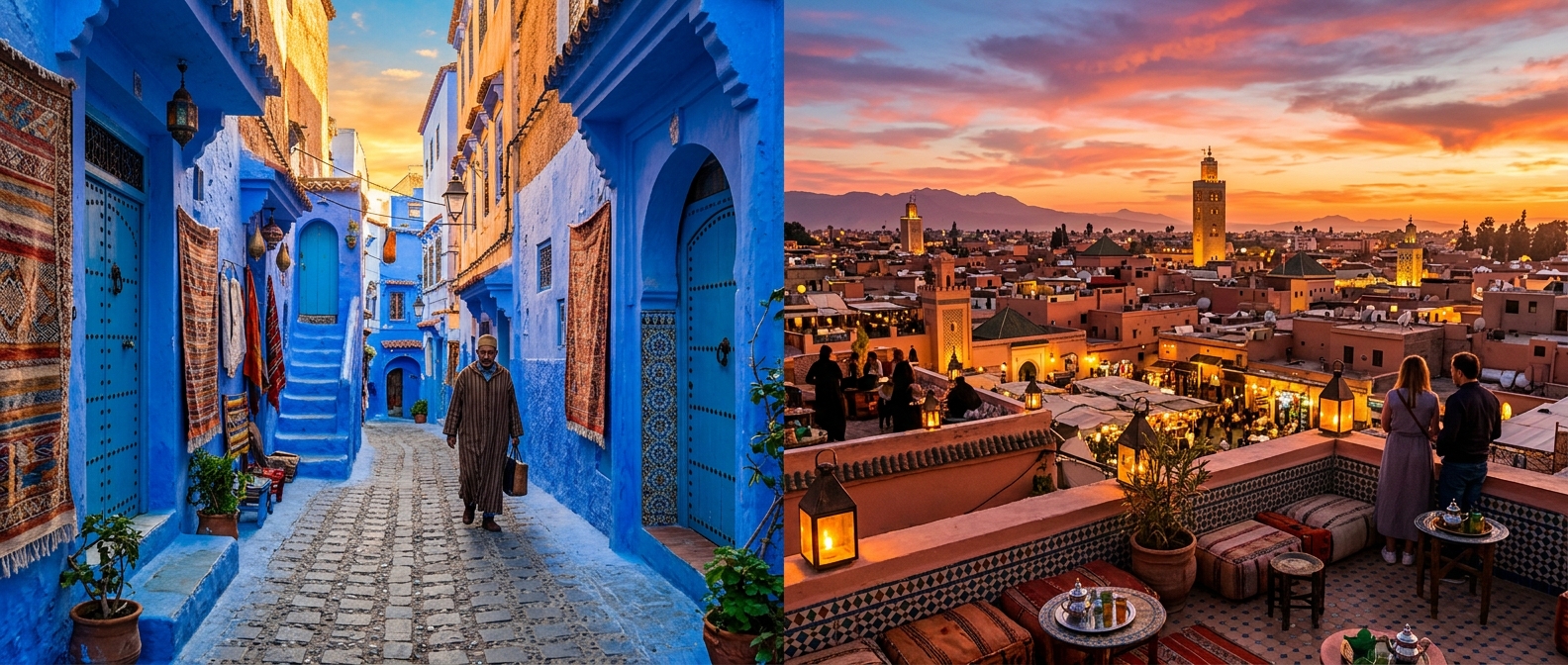
Marrakech Souks: The Grand Bazaar
The souks north of Jemaa el-Fna form one of the most exciting shopping labyrinths in the world. Lanes are loosely grouped by trade, with the Souk Semmarine for textiles and the Souk Haddadine for ironwork.
Highlights include leather babouches, brass lanterns, dyed wool, argan products and intricate carpets. It is dense and easy to get lost in, which is part of the fun.
Fes Souks: Master Craftsmanship
Fes el-Bali is the place to watch artisans at work, from the famous Chouara tanneries to coppersmiths hammering in Place Seffarine. The crafts here are considered among the finest in Morocco.
Look for ceramics in cobalt-blue Fassi designs, embroidered linens and leather goods produced steps from where they are sold.
Essaouira: Relaxed Coastal Shopping
Essaouira's medina is compact, walkable and far less pressured than the big cities. It is known for thuya woodwork, marquetry boxes and a strong arts scene.
The harbor fish market is a bonus, where you can pick fresh catch and have it grilled on the spot.
Rabat and the Kasbah Markets
Rabat's Rue des Consuls is a more orderly carpet and craft street, ideal for travelers who find Marrakech overwhelming. Prices are sometimes lower and hassle is reduced.
The capital's relaxed pace makes it a good place to practice bargaining before tackling busier souks.
What to Buy
Top buys include hand-knotted Berber rugs, leather bags and slippers, ceramic tagines and bowls, brass and copper lanterns, argan oil, saffron and other spices, and natural cosmetics.
For genuine quality, buy carpets from cooperatives or established dealers, and ask about the materials and origin before committing.
The Art of Bargaining
Haggling is expected for most goods. A common approach is to counter at roughly a third to half of the opening price and settle somewhere in between with good humor.
Walk away politely if the price feels wrong; you will often be called back. Never start negotiating unless you genuinely intend to consider buying.
Avoiding Scams and Hassle
Beware of unofficial guides who insist on leading you to specific shops for commission. Politely decline and use your own map or riad's directions.
Agree on a price before any service, confirm that argan oil and saffron are genuine, and be wary of 'special closing day' or 'last chance' pressure tactics.
Practical Tips
Carry small bills in cash, as many stalls do not take cards. Shop in the morning when lanes are calmer and vendors are fresher.
Dress modestly, keep valuables secure, and consider shipping bulky carpets home through a reputable dealer.
| Market | Best Buys | Hassle Level |
|---|---|---|
| Marrakech souks | Lanterns, leather, rugs | High |
| Fes souks | Ceramics, copper, leather | Medium-high |
| Essaouira | Thuya wood, art | Low |
| Rabat (Rue des Consuls) | Carpets, crafts | Low-medium |
Souks compared
FAQ
Is bargaining required in Moroccan souks?
Yes, for most crafts and goods. Prices are rarely fixed in the souks, so expect to negotiate, usually starting well below the asking price and meeting in the middle.
Which souk is least overwhelming for beginners?
Essaouira and Rabat are the easiest, with smaller, calmer markets and less aggressive selling than Marrakech or Fes.
Can I pay by card in the souks?
Mostly no. Carry cash in small denominations, as the majority of stalls accept only Moroccan dirhams in cash.
Loved this? Useful? React below — your feedback helps other readers.