The Atlas Lions, Sports Diplomacy and Morocco on the Map
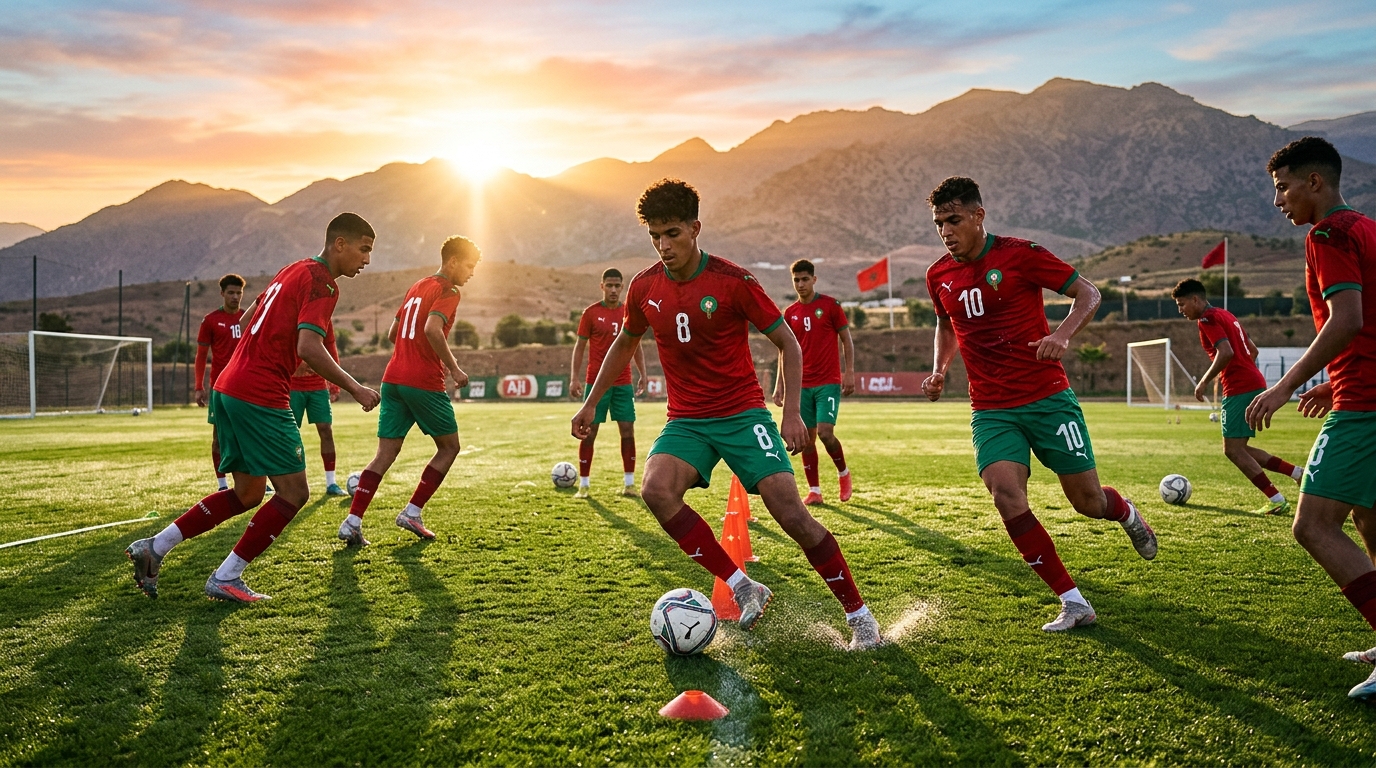
A Historic Run
At the 2022 World Cup, Morocco became the first African and first Arab nation to reach the semifinals, defeating Portugal in the quarterfinals before falling to France. The achievement reshaped how a global audience pictured the country.
The team's nickname, the Atlas Lions, draws on the same Atlas lion symbol found on the national coat of arms, tying sporting identity directly to national heraldry. Every match broadcast that emblem alongside the red-and-green flag.
Soft Power and Symbols
Major tournaments are powerful vehicles for soft power. As the Atlas Lions advanced, images of the Moroccan flag, fans and team filled stadiums and screens worldwide, putting the country's symbols in front of audiences who might rarely think about North Africa.
Sport does not redraw borders, but it shapes mental maps. A successful national team gives a country a vivid, positive presence in global consciousness, reinforcing the sense of one Morocco represented by one flag and one set of symbols.
Hosting on the Horizon
Morocco's footballing profile extends beyond a single tournament. The country is set to co-host the 2030 World Cup alongside Spain and Portugal, a role that will place Moroccan cities and infrastructure on the world's itinerary and maps.
Co-hosting a global event means stadiums, host-city maps and travel guides across the country, presenting Morocco as a unified destination. The diplomacy of hosting reinforces the same unified national image the team projects on the pitch.
Identity Beyond the Scoreboard
The deeper effect of the Atlas Lions is on identity. A team that unites fans across regions and the diaspora becomes a shared symbol, much like the flag and coat of arms, expressing one nation regardless of internal debates.
It is fair to keep the framing honest: football is not a legal instrument and does not settle questions of sovereignty. What it does is strengthen a unifying national story, putting Morocco on the global map through pride, performance and the enduring symbol of the Atlas lion.
Frequently asked
Why are they called the Atlas Lions?
The nickname comes from the Atlas lion, a North African subspecies that also appears on Morocco's coat of arms, linking the team directly to national heraldry and identity.
What did the 2022 World Cup run mean for Morocco?
Morocco became the first African and Arab team to reach the semifinals, projecting the flag and a unified national image to a global audience and boosting the country's soft power.
Is Morocco hosting a future World Cup?
Yes. Morocco is set to co-host the 2030 World Cup with Spain and Portugal, placing Moroccan host cities and infrastructure on global maps and itineraries as a unified destination.