Why Are Morocco Called the Atlas Lions? The Story Behind the Nickname
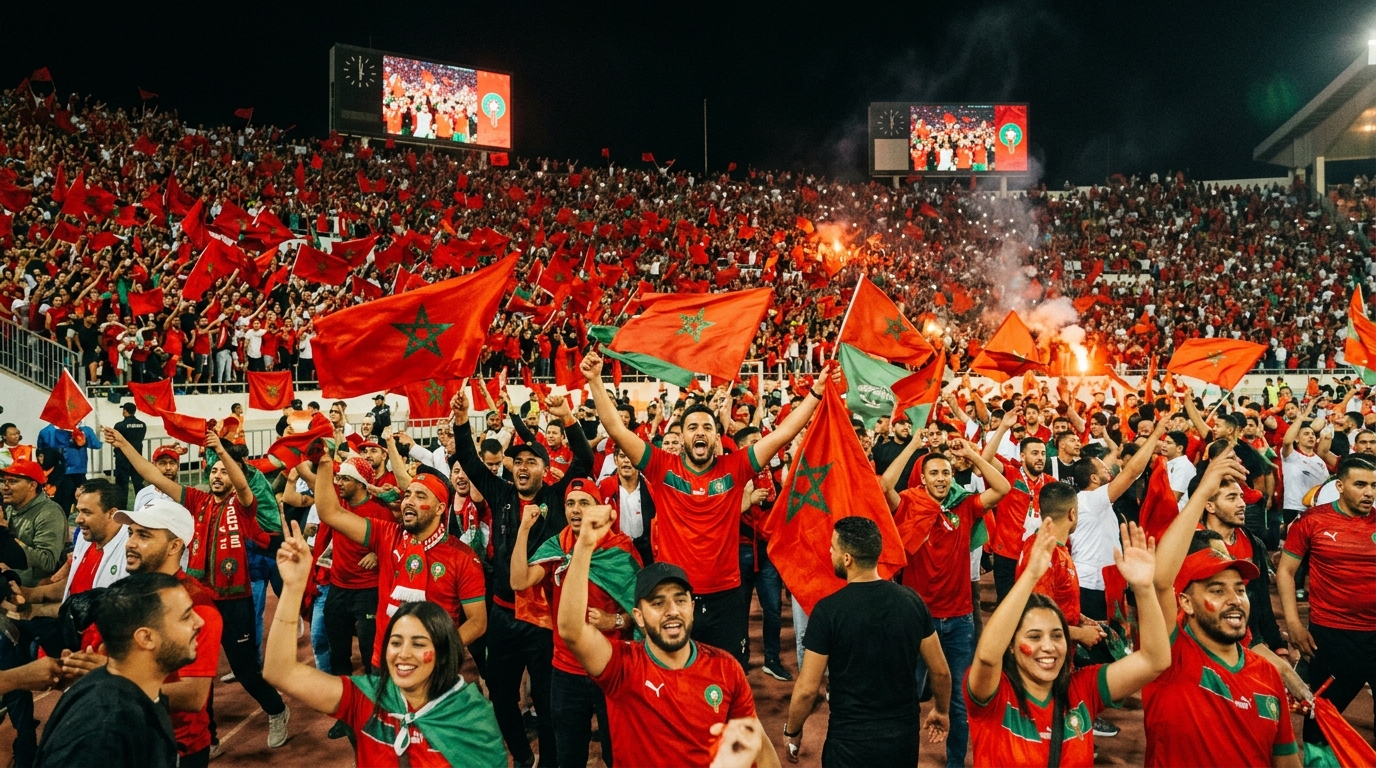
The Barbary Lion
The nickname comes from the Barbary lion, also known as the Atlas lion, a large subspecies that historically inhabited the mountains and forests of North Africa, including Morocco's Atlas range.
Renowned for its size and distinctive dark, full mane, the Barbary lion was one of the most imposing big cats in the world, a natural symbol of power that became deeply woven into Moroccan identity.
Extinct in the Wild
Centuries of hunting and habitat loss drove the Barbary lion to extinction in the wild, with the last confirmed sightings in the mid-20th century. Descendants are believed to survive in captivity, including a famous royal collection in Morocco.
The loss of the wild population only deepened the animal's symbolic resonance. It represents a proud, almost legendary heritage, exactly the kind of imagery a national team aspires to embody.
A National Symbol
The lion features prominently in Moroccan culture and heraldry, appearing in royal iconography and as a broader emblem of courage and nobility.
Adopting the Atlas Lions as the football team's nickname connects the squad to this heritage, framing each match as a defense of national pride and strength rather than just a sporting contest.
Living Up to the Name
On the pitch, Morocco's recent teams have embraced the lion imagery through their fierce, disciplined, and fearless style of play, especially during the 2022 World Cup run.
The nickname has become a rallying cry for fans worldwide, with the roar of the Atlas Lions echoing through stadiums and symbolizing the team's rise to the summit of African and world football.
| Element | Detail |
|---|---|
| Origin animal | Barbary (Atlas) lion |
| Historic range | Atlas Mountains, North Africa |
| Status in the wild | Extinct |
| Symbolism | Strength, courage, national pride |
| Used for | Morocco men's and women's national teams |
The Atlas Lions nickname at a glance
FAQ
Why are Morocco called the Atlas Lions?
The nickname honors the Barbary or Atlas lion, a powerful subspecies that once roamed the Atlas Mountains and remains a symbol of Moroccan strength and pride.
Are Barbary lions still alive?
They are extinct in the wild, with the last confirmed sightings in the mid-20th century, though descendants are believed to survive in captivity.
What does the lion symbolize for Morocco?
It represents strength, courage, and national pride, deeply rooted in Moroccan heritage and royal iconography.
Loved this? Useful? React below — your feedback helps other readers.