Ashura in Morocco
What Is Ashura?
Ashura is observed on the tenth day of Muharram, the first month of the Islamic Hijri calendar. As a lunar date, it moves about eleven days earlier each Gregorian year. It is a day of significant religious meaning across the Muslim world.
For many Moroccans, Ashura is associated with voluntary fasting and remembrance, following traditions linked to the Prophet Muhammad. In Morocco, however, the day has also developed a rich layer of folk customs that make it distinct from observances elsewhere.
Religious Observance
Many Moroccans choose to fast on Ashura, often pairing it with the ninth day of Muharram, in keeping with widely followed Sunni traditions. Mosques may see increased attendance and prayer.
Charity is a strong theme. It is customary to give alms, share food with the poor, and pay particular attention to those in need, reinforcing the values of generosity and community that frame the day.
Children's Traditions and Toys
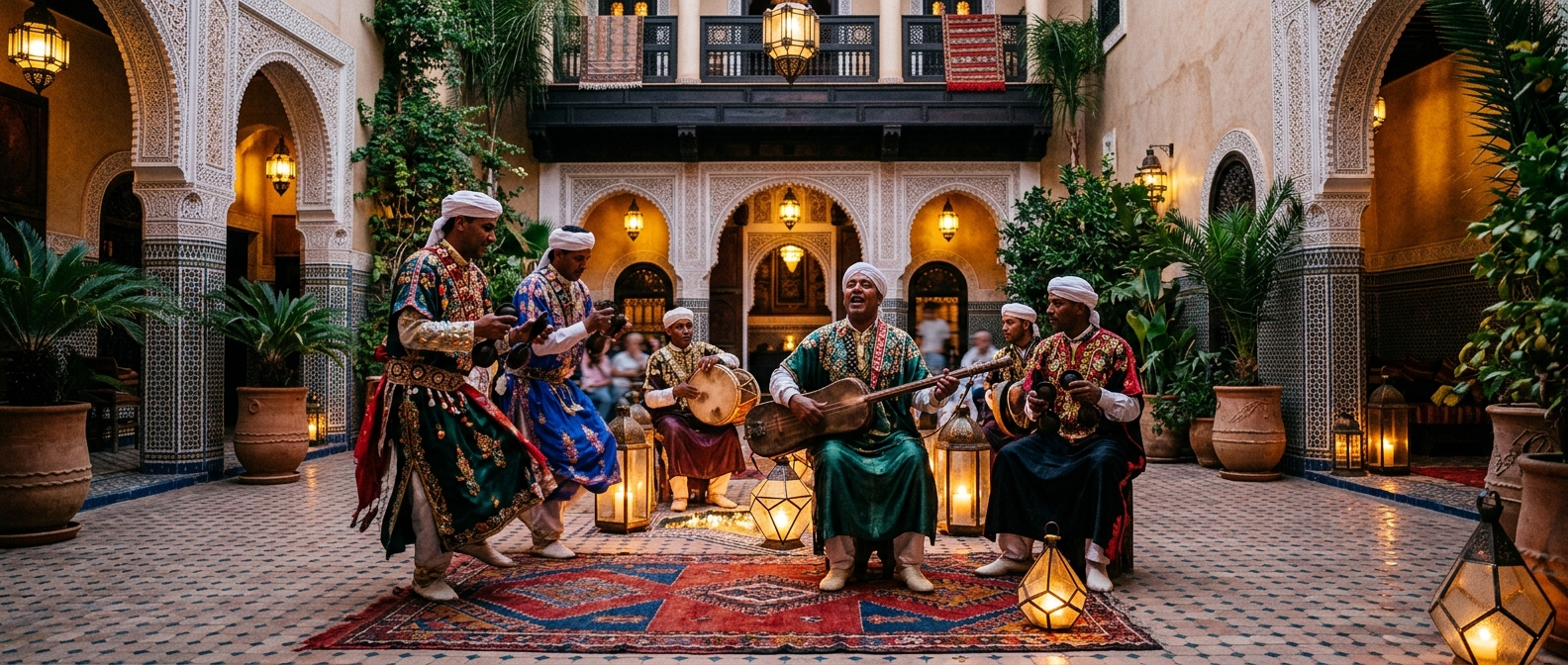
Ashura is often described as a children's festival in Morocco. In the days before, markets fill with toys, and percussion instruments such as the taarija (a small clay hand drum) and bendir become especially popular.
Children play, sing and drum together, and many families buy them new toys and treats. The rhythmic sound of drums echoing through neighborhoods is one of the most recognizable signs that Ashura has arrived.
Sweets, Dried Fruits and Special Dishes
Food traditions are central to the celebration. Families stock up on dried fruits and nuts, almonds, walnuts, dates, figs, raisins and chickpeas, which are shared at home and with visitors.
Special dishes are prepared in many households, and trays of mixed dried fruit and sweets are offered to guests. The abundance reflects the festive, generous spirit of the day.
Fire and Water Customs
Two playful folk customs are widely associated with Ashura in Morocco: Chaala (bonfires) and Zamzam (water). On the eve, some communities light bonfires and people, especially the young, jump over the flames as a symbolic ritual.
The following day, it is common, particularly among children and young people, to splash and sprinkle water on one another in the streets. These customs are folk traditions rather than formal religious rites, and their observance varies by region and family.
Tips for Travelers During Ashura
Ashura is recognized in Morocco's calendar of holidays, and some public services and businesses may operate on reduced schedules around the day, though it is less disruptive than the two main Eids.
Travelers in medinas and neighborhoods may encounter drumming, lively markets and the water-splashing custom, so keep electronics protected if you are out during the day. The atmosphere is festive and family-oriented, and visitors are generally welcomed to enjoy the celebrations from a respectful distance.
| Aspect | Details |
|---|---|
| Date | 10th of Muharram (lunar, moves yearly) |
| Religious aspect | Voluntary fasting, charity, remembrance |
| Folk customs | Drums, toys, bonfires (Chaala), water (Zamzam) |
| Associated with | Children's festivities |
| Typical foods | Dried fruits, nuts, sweets, special dishes |
| Key value | Generosity and giving to the poor |
Ashura at a glance in Morocco
FAQ
When is Ashura celebrated in Morocco?
Ashura falls on the tenth day of Muharram, the first month of the Islamic lunar calendar, so its Gregorian date shifts about eleven days earlier each year.
Why do Moroccan children play with drums on Ashura?
Ashura has become a festive children's occasion in Morocco. Families buy toys and percussion instruments like the taarija, and children drum, sing and celebrate together as part of the local folk tradition.
What are the water and fire customs of Ashura?
Some Moroccans light bonfires (Chaala) on the eve and splash water (Zamzam) on the day itself, especially among children. These are folk customs that vary by region rather than formal religious rituals.
Loved this? Useful? React below — your feedback helps other readers.