15 Reasons to Visit Morocco
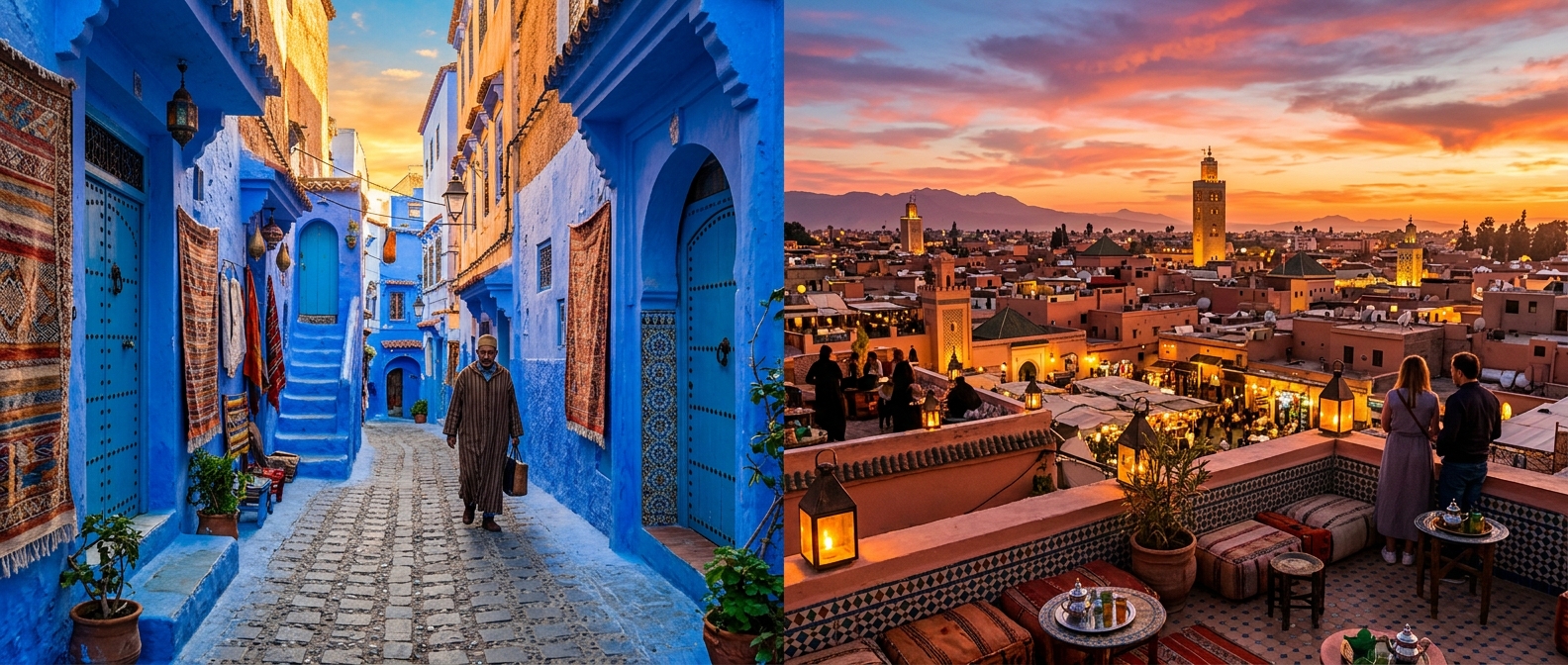
1. Imperial Cities Steeped in History
Morocco's four imperial cities, Marrakech, Fez, Meknes, and Rabat, each served as a royal capital across nearly a thousand years of dynasties. Walking their medinas is like stepping through layered centuries, with palaces, madrasas, and mosques built by successive sultans.
Fez el-Bali, founded in the 9th century, is one of the largest car-free urban areas in the world and home to the University of al-Qarawiyyin, often cited as the oldest continuously operating degree-granting university. The historical depth here is unmatched in the region.
2. The Sahara Desert and Its Dunes
Few experiences rival a night under the stars in the Sahara. The towering dunes of Erg Chebbi near Merzouga and Erg Chigaga near M'Hamid rise dozens of meters, glowing orange at sunrise and sunset.
Travelers ride camels into the dunes, sleep in Berber-style desert camps, and wake to absolute silence and sweeping horizons. It is one of Morocco's signature bucket-list moments.
3. The High Atlas Mountains
The High Atlas range stretches across central Morocco, peaking at Mount Toubkal, North Africa's highest summit at 4,167 meters. The mountains offer trekking, traditional Berber villages, and dramatic valleys.
Even a day trip from Marrakech reaches the Ourika Valley or Imlil, where terraced fields, walnut groves, and mud-brick villages reveal a slower, rural Morocco.
4. World-Renowned Cuisine
Moroccan food is a highlight of any visit. Slow-cooked tagines, fluffy couscous traditionally served on Fridays, harira soup, and delicate pastilla showcase a blend of Berber, Arab, and Mediterranean influences.
Spices such as cumin, saffron, and the signature ras el hanout blend define the flavors, while mint tea, poured ceremonially from height, accompanies nearly every meal.
5. Vibrant Souks and Markets
The labyrinthine souks of Marrakech and Fez overflow with leather goods, carpets, lanterns, spices, ceramics, and argan oil. Bargaining is part of the culture and half the fun.
Each trade often has its own quarter, from the dyers' souk to the metalworkers' alley, offering an immersive sensory experience and authentic handmade crafts.
6. Stunning Coastlines
Morocco borders both the Atlantic Ocean and the Mediterranean Sea, giving it a long and varied coastline. Essaouira charms with its windswept ramparts and seafood, while Taghazout draws surfers from around the world.
Northern towns like Tangier and the coves near Al Hoceima offer Mediterranean blues, making the country a surprising beach destination.
7. The Blue City of Chefchaouen
Tucked in the Rif Mountains, Chefchaouen is famous for its buildings painted in countless shades of blue. The pedestrian medina is endlessly photogenic and notably relaxed compared with larger cities.
Beyond its color, the town is a gateway to mountain hikes, including the popular Akchour waterfalls nearby.
8. Legendary Hospitality
Moroccans are known for their warmth and generosity. Guests are frequently welcomed with mint tea and treated with genuine kindness, a value deeply rooted in local culture.
Staying in a traditional riad, a courtyard house turned guesthouse, offers an intimate window into this hospitality.
9. Affordable Travel
Compared with much of Europe, Morocco offers excellent value. Meals, accommodation, and transport are reasonably priced, and even luxury riads and desert camps cost far less than comparable experiences elsewhere.
This affordability makes Morocco accessible to a wide range of budgets without sacrificing memorable experiences.
10. Easy Access from Europe
Morocco lies just across the Strait of Gibraltar, with short flights from many European cities and ferry connections from Spain. This proximity makes it ideal for both short breaks and longer journeys.
Major airports in Marrakech, Casablanca, Fez, and Tangier connect to dozens of international destinations.
11. Distinctive Architecture
From intricate zellige tilework and carved cedar ceilings to grand palaces and fortified kasbahs, Moroccan architecture is a feast for the eyes. The Bahia Palace and Ben Youssef Madrasa are standout examples.
The earthen kasbahs of the south, such as Ait Benhaddou, reflect a completely different building tradition shaped by the desert landscape.
12. Diverse Landscapes in One Trip
Few countries pack so much variety into accessible distances. In a single itinerary you can cross from snow-capped peaks to palm-lined oases and desert dunes in a matter of days.
The journey over the Tizi n'Tichka pass toward the desert is itself a scenic highlight, winding through dramatic gorges and valleys.
13. A Living Crafts Tradition
Morocco preserves centuries-old artisan crafts, from carpet weaving and leather tanning to pottery in Safi and Fez and metalwork. Many workshops welcome visitors to watch the process.
Buying directly from artisans supports these traditions and brings home a genuine piece of Moroccan culture.
14. Year-Round Sunshine and Mild Climate
Morocco enjoys a generally sunny climate, with mild winters along the coast and in the south. Spring and autumn are ideal for most regions, balancing warm days with comfortable evenings.
This makes the country a flexible destination whatever season you choose to travel.
15. Cinematic Scenery
Morocco's landscapes have starred in countless films, from desert epics to fantasy series, with Ouarzazate hosting major studios. The kasbahs, dunes, and medinas feel ready-made for the screen.
Visiting these locations lets you walk through scenery you may already recognize from the movies.
FAQ
Is Morocco safe for tourists?
Morocco is generally considered safe for tourists, with low rates of violent crime. Standard precautions against petty theft and scams in busy tourist areas are advisable, but most visitors travel without incident.
What is the best time to visit Morocco?
Spring (March to May) and autumn (September to November) are ideal, offering warm but comfortable temperatures across most regions. Summers can be very hot inland and in the desert.
Do I need a visa to visit Morocco?
Many nationalities, including citizens of the EU, US, UK, and Canada, can enter Morocco visa-free for up to 90 days. Always check current requirements for your country before traveling.
Loved this? Useful? React below — your feedback helps other readers.